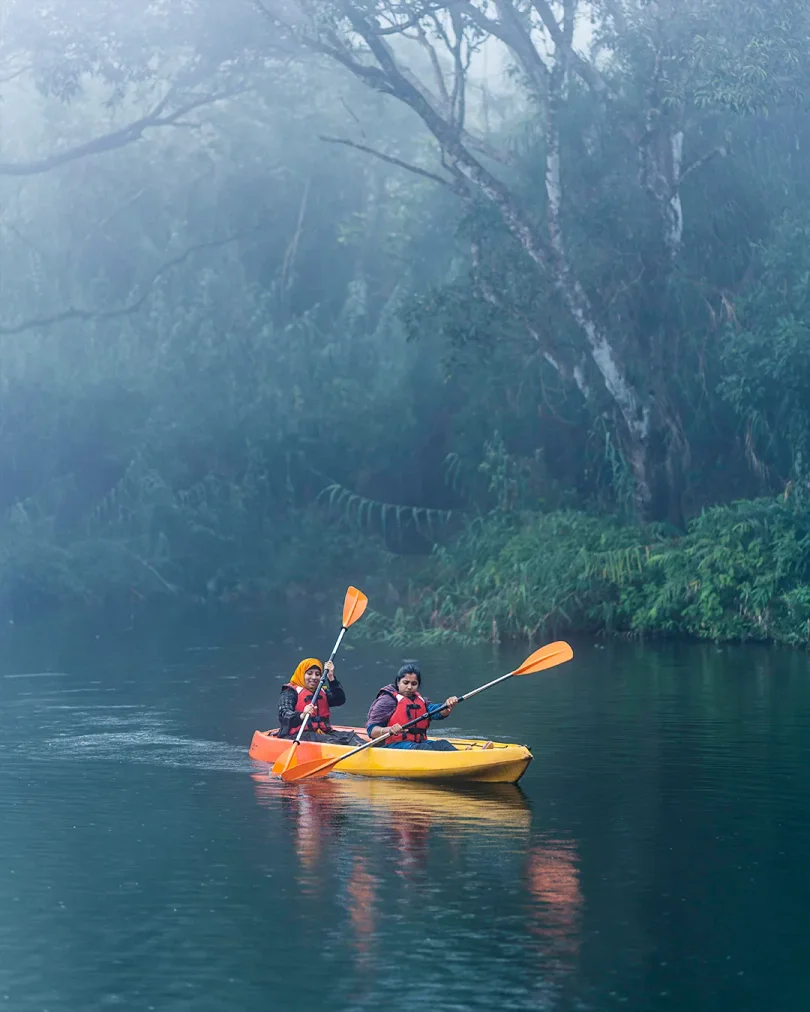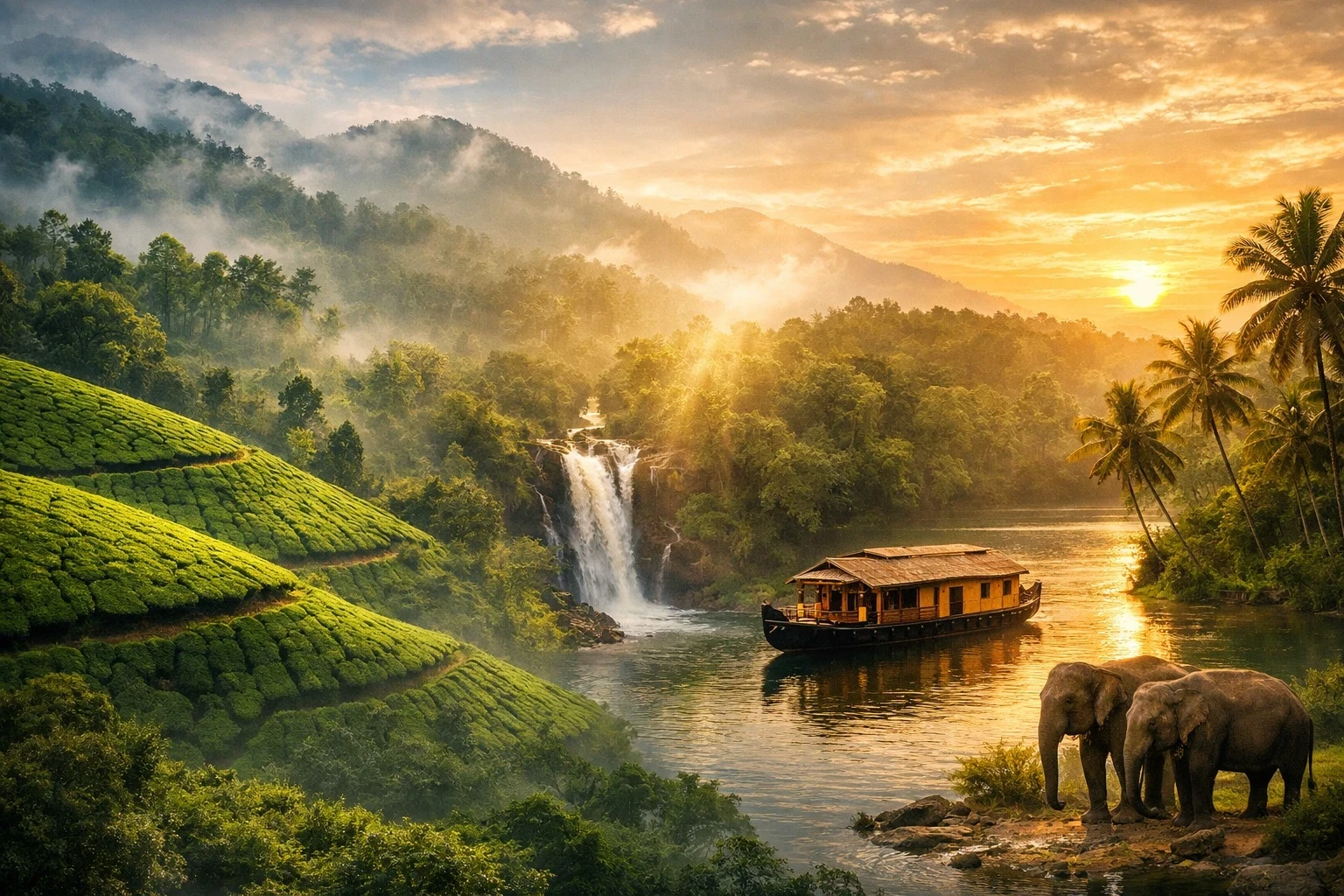
Kerala ecotourism destinations are mostly protected forests, wildlife sanctuaries, backwater ecosystems, and plantation regions where travel is designed to minimise environmental impact while supporting local and tribal communities. The state's most notable spots include Thekkady, Wayanad, Gavi, Thenmala, Silent Valley, Kumarakom, Ponmudi, and Kuttikkanam, each offering a different way to experience Kerala's forests, wetlands, and hill country responsibly.
Kerala is one of India's most ecologically diverse states, shaped by the Western Ghats, dense tropical forests, misty hill stations, and a vast network of backwaters. Over the past few years, these destinations have become increasingly popular as travellers move away from conventional sightseeing and toward responsible, conservation-focused trips that give something back to the places they visit.
Ecotourism here is built around the idea of experiencing nature without damaging it. From plantation stays and tiger reserves to bird sanctuaries and rainforest trails, the destinations below cover the full range of destinations worth adding to a sustainable travel itinerary.
Thekkady
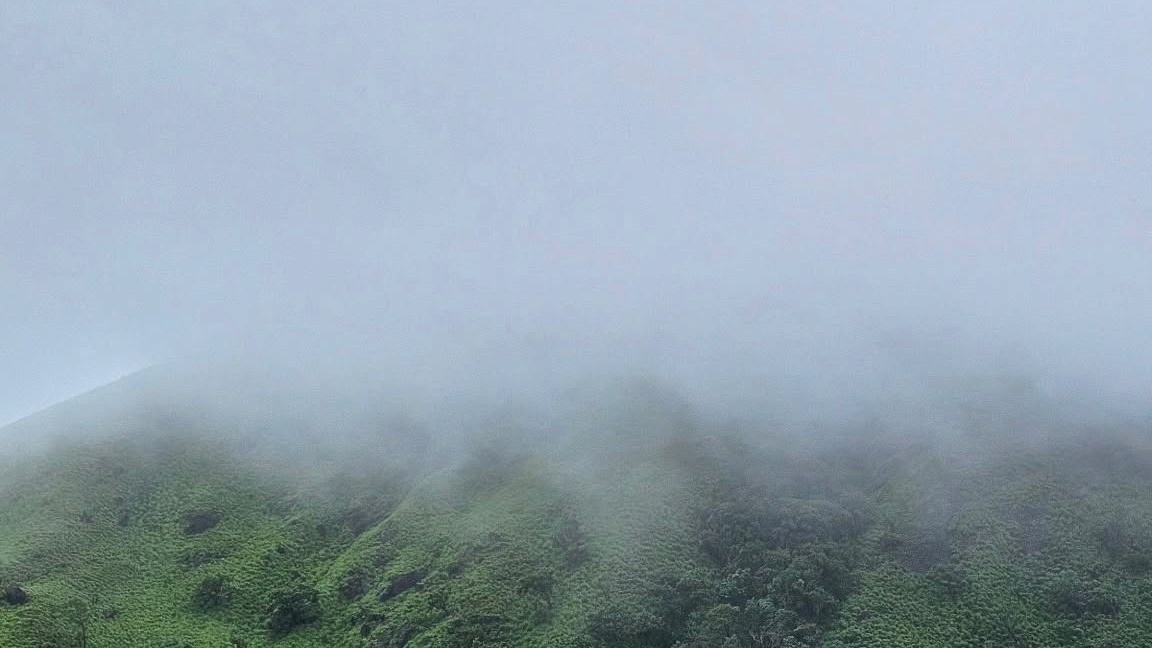
Thekkady, in Idukki district, is home to the Periyar Tiger Reserve, one of India's most important protected forest areas and one of the most visited destinations for wildlife lovers. The reserve combines evergreen forest, grassland, and a large lake system, and is managed under strict conservation guidelines that channel tourism revenue back into local and tribal community programmes.
Key wildlife species found here include the Bengal tiger, Indian elephant, gaur (Indian bison), sambar deer, wild boar, and a wide range of birds such as the Malabar grey hornbill.
Things to do in Thekkady
Boat safaris on Periyar Lake for wildlife observation
Guided jungle walks with trained forest guides
Bamboo rafting through protected forest areas
Spice plantation tours and agricultural learning
Bird watching tours with expert naturalists
Visitor information
Visiting hours: Boat safaris generally run between 7:00 AM and 4:00 PM, with multiple departures through the day
Best time to visit: September to May, when wildlife sightings near the lake are highest
Entry fee: Approximately Rs 45 for Indian nationals and Rs 500 for foreign nationals (boat safari and trekking programmes are charged separately)
Eco-Travel Tip: Book boat safaris and treks directly through the Kerala Forest Department or Periyar Tiger Reserve counters, since official bookings support anti-poaching and tribal welfare programmes
Wayanad
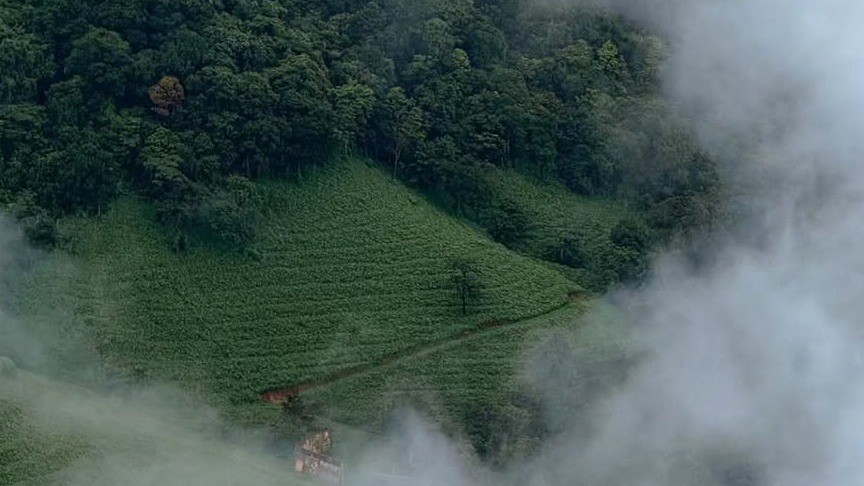
Wayanad sits within the Nilgiri Biosphere Reserve and is one of the richest of all ecotourism destinations in Kerala, known for its forests, waterfalls, caves, and tribal communities. Its mix of wildlife conservation and cultural heritage makes it a strong base for travellers who want both nature and local culture in one trip.
Wildlife found in and around Wayanad includes elephants, gaur, sambar deer, leopards, wild dogs, and numerous endemic bird species in the sanctuary forests.
Things to do in Wayanad
Trekking to Chembra Peak's heart shaped lake viewpoint
Wildlife safaris in Wayanad Wildlife Sanctuary
Exploring Edakkal Caves with prehistoric rock carvings
Bamboo rafting through calm forest river stretches
Spice plantation visits showcasing sustainable farming
Visitor information
Visiting hours: Wayanad Wildlife Sanctuary safaris typically run from 7:00 AM to 10:00 AM and 2:00 PM to 4:00 PM
Best time to visit: October to March, for cooler weather and clearer trekking conditions
Eco-Travel Tip: Choose homestays and safari operators registered with the forest department, as these contribute directly to tribal community livelihoods in the buffer zones
Gavi
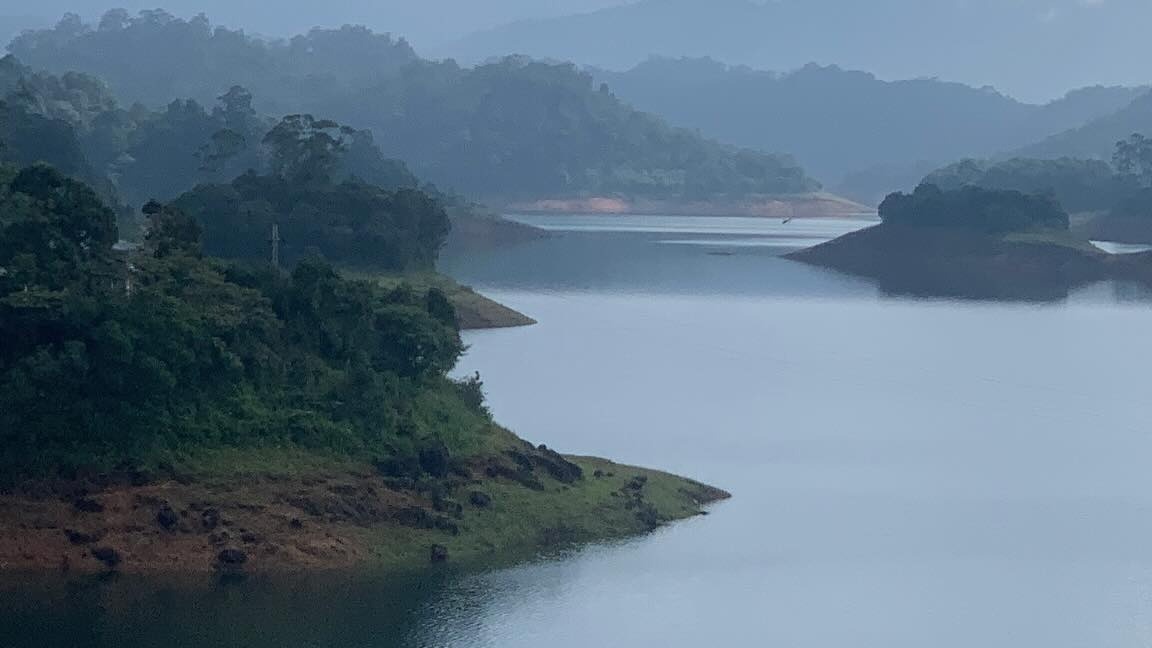
Gavi is one of the most untouched Kerala ecotourism destinations, located in the buffer zone of the Periyar Tiger Reserve. Tourism here is deliberately limited and tightly regulated, which keeps the forest largely undisturbed and increases the chances of genuine wildlife encounters.
Species commonly recorded around Gavi include elephants, gaur, sambar deer, Nilgiri langurs, and a wide variety of forest birds, with occasional sightings of tigers and leopards.
Things to do in Gavi
Jungle jeep safaris through untouched forest regions
Camping inside protected wilderness zones
Bird watching with rare endemic species sightings
Lakeside eco stays in natural forest surroundings
Trekking through dense biodiversity hotspots
Visitor information
Visiting hours: Day visits are typically allowed between 7:00 AM and 5:00 PM, with overnight stays arranged through KFDC eco lodges
Best time to visit: October to April, before the heaviest monsoon rains restrict access
Entry fee: Entry and safari packages are bundled, generally starting from around Rs 1,000 to Rs 1,500 per person for Indian nationals, with higher rates for foreign nationals
Eco-Travel Tip: Book exclusively through KFDC, since third party operators bypass the conservation fee that funds tribal community welfare
Thenmala
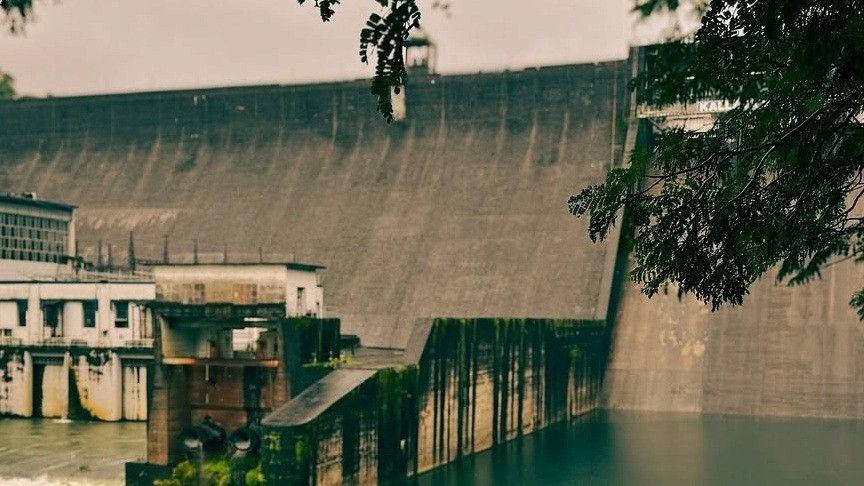
Thenmala, in Kollam district, was India's first planned ecotourism project and remains one of the most structured ecotourism destinations in Kerala. It is divided into eco zones, adventure zones, and cultural zones, with a strong focus on environmental education and community involvement.
Wildlife around the Thenmala forests and reservoir includes elephants, sambar deer, wild boar, monitor lizards, and a wide range of resident and migratory birds.
Things to do in Thenmala
Eco friendly boating through forest surrounded reservoirs
Adventure activities like trekking and rope bridge walks
Butterfly garden with native species conservation focus
Sculptural park blending art and environmental education
Forest trails designed for guided eco learning
Visitor information
Visiting hours: 9:00 AM to 5:00 PM daily
Best time to visit: October to March for pleasant weather and full access to boating and adventure zones
Entry fee: Approximately Rs 20 to Rs 50 for Indian nationals and Rs 100 to Rs 150 for foreign nationals, with individual activity zones charged separately
Eco-Travel Tip: Combine the boating and butterfly garden tickets in advance, since separate queues for each zone can take up a large part of the day
Silent Valley National Park
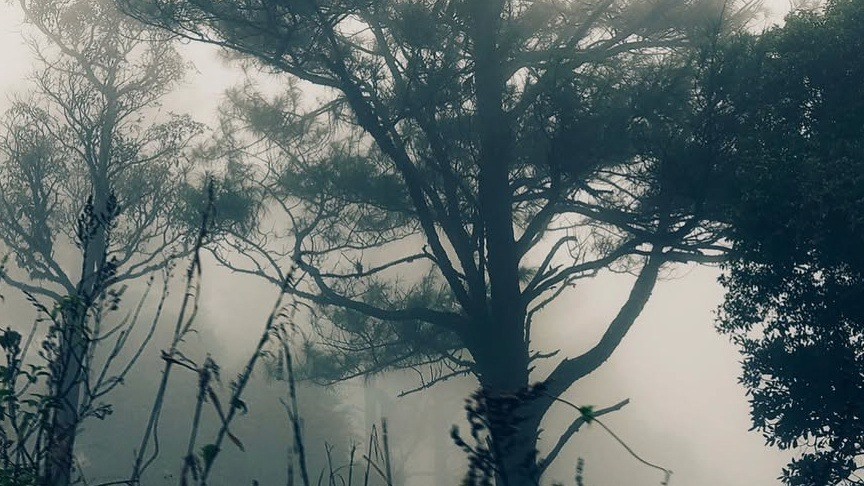
Silent Valley National Park, in Palakkad district, protects one of the last untouched rainforests in the Western Ghats and is part of the Nilgiri Biosphere Reserve, a UNESCO recognised biodiversity hotspot. It is one of the more demanding ecotourism destinations to reach, but it rewards visitors with rare species and minimal crowds.
Notable wildlife includes the lion tailed macaque, Nilgiri tahr, Malabar giant squirrel, tiger, leopard, and the great hornbill.
Things to do in Silent Valley
Guided treks from Mukkali to the Sairandhri watchtower
Wildlife and bird watching along the Kunthipuzha river
Jeep rides through buffer zone forest trails
Photography of rare flora, butterflies, and moths
Nature education sessions at the forest interpretation centre
Visitor information
Visiting hours: Entry is generally allowed between 8:00 AM and 1:00 PM, with visitors required to exit the core area by around 5:00 PM
Best time to visit: October to February, since the park is closed to visitors during peak summer and heavy monsoon months
Entry fee: Approximately Rs 50 for Indian nationals and Rs 500 for foreign nationals, with extra charges for jeep hire and cameras
Eco-Travel Tip: Check access days and seasonal closures with the forest department before travelling, as the park shuts on specific weekdays and during the summer fire season
Ponmudi
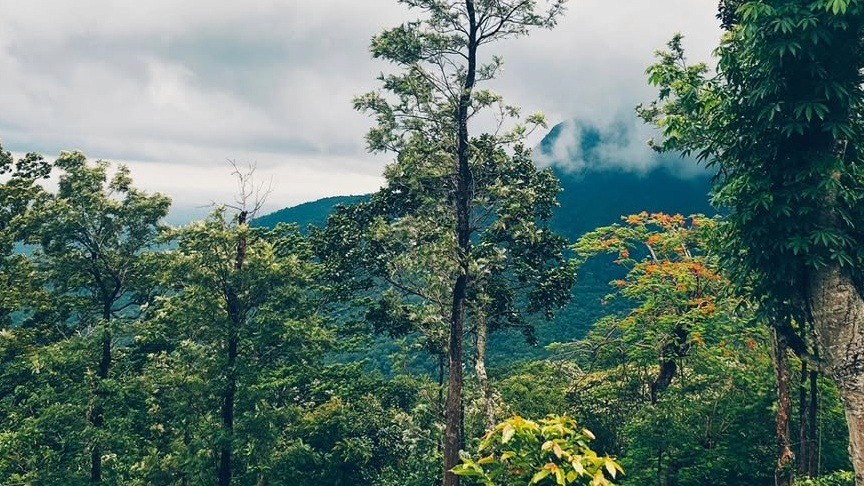
Ponmudi is a quiet hill station near Thiruvananthapuram, known for its winding roads, tea estates, and misty viewpoints. It is one of the more accessible ecotourism destinations in Kerala, well suited to short trips and weekend nature escapes.
Wildlife in the surrounding Western Ghats forest patches includes Nilgiri langurs, barking deer, wild boar, giant squirrels, and a variety of hill forest birds.
Things to do in Ponmudi
Scenic mountain drive through Western Ghats forests
Tea plantation walks with panoramic viewpoints
Butterfly parks with native biodiversity species
Short trekking trails suitable for beginners
Cool climate breaks for relaxing nature stays
Visitor information
Visiting hours: Open through daylight hours, generally 8:00 AM to 6:00 PM
Best time to visit: September to March, when the hills are cool and viewpoints are clear
Entry fee: Most viewpoints are free to access, though some gardens and parks charge a nominal fee of around Rs 20 to Rs 50 for Indian nationals and Rs 100 for foreign nationals
Eco-Travel Tip: Visit on weekdays to avoid the heavy weekend traffic on the narrow ghat roads leading up to Ponmudi
Kumarakom

Kumarakom sits along Vembanad Lake, Kerala's largest backwater system, and represents the wetland side of Kerala ecotourism destinations. Its bird sanctuary and backwater ecosystem make it especially popular with birdwatchers and travellers interested in houseboat based eco stays.
The wetlands support species such as the Siberian crane, darter, cormorant, egret, and migratory waterfowl, alongside resident otters along the canal edges.
Things to do in Kumarakom
Bird watching at Kumarakom Bird Sanctuary wetlands
Eco friendly houseboat cruises through the backwaters
Canoeing through narrow village waterways
Sunset views over the open lake
Village life experiences with local communities
Visitor information
Visiting hours: Bird Sanctuary is open from 6:00 AM to 5:30 PM daily
Best time to visit: November to February, the peak season for migratory birds
Entry fee: Approximately Rs 50 for Indian nationals and Rs 200 for foreign nationals at the Bird Sanctuary, with houseboat cruises priced separately
Eco-Travel Tip: Choose houseboats with proper sewage treatment and solar power certification, since uncertified boats are a major source of pollution in the Vembanad backwaters
Kuttikkanam
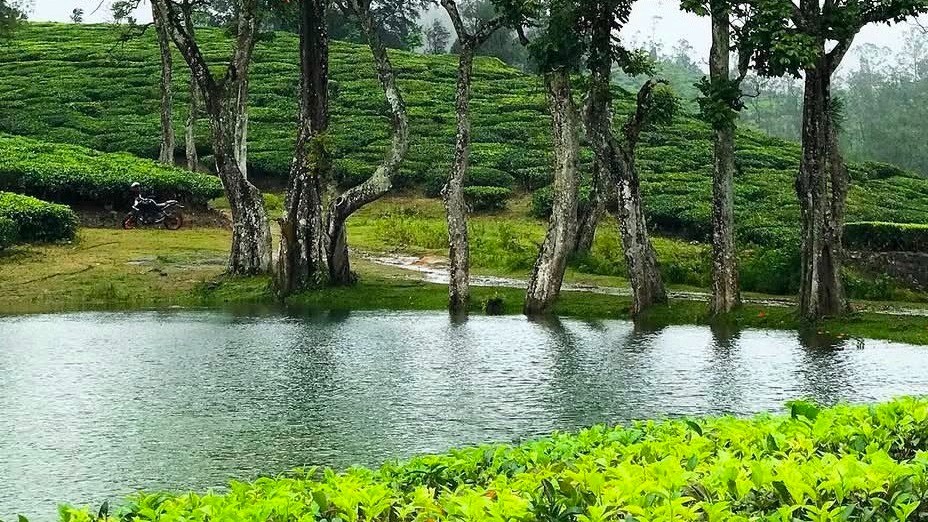
Kuttikkanam, in Idukki district, is a peaceful plantation region surrounded by tea and cardamom estates, misty valleys, waterfalls and patches of evergreen forest. It is a good example of how Kerala ecotourism destinations can combine working plantations with natural forest ecosystems, offering cool weather and slow travel experiences throughout the year.
Wildlife seen around the plantation edges and adjoining forest includes Nilgiri langurs, barking deer, civets, giant squirrels, and a wide range of resident and migratory birds drawn to the tea and cardamom estates.
Things to do in Kuttikkanam
Guided tea plantation walks
Jeep safaris exploring natural terrain
Tea factory tours showing traditional processing methods
Cycling and nature trekking through plantation trails
Bird watching, kayaking, and campfire evenings in the estates
Visitor information
Visiting hours: Plantation walks and estate activities generally run from 8:00 AM to 6:00 PM
Best time to visit: Year round, thanks to the cool misty climate, with September to March being especially pleasant
Entry fee: Most plantation estates charge per activity rather than a flat entry fee, typically ranging from Rs 100 to Rs 500 for Indian nationals depending on the experience, with similar or slightly higher rates for foreign nationals
Eco-Travel Tip: Stick to marked plantation trails during walks, since wandering off path can disturb both the cultivated estate and the adjoining forest patches
Where to Stay in Kuttikkanam
For travellers planning to base themselves in Kuttikkanam, the Misty Mountain Experience is a plantation stay located inside a large tea and cardamom estate, offering nature based accommodation alongside activities such as plantation walks, jeep safaris, tea factory tours, cycling, bird watching, kayaking, and campfire evenings. It is one of the more complete plantation stay options for travellers looking to combine comfort with an eco-friendly retreat in this part of the Western Ghats.
Why Kerala Ecotourism Destinations Matter
Kerala's approach to balancing tourism with conservation has made it a reference point for sustainable travel in India. The Western Ghats, which run through many of these destinations, are recognised as a UNESCO biodiversity hotspot, which makes responsible visitor behaviour especially important across all Kerala ecotourism destinations.
Key benefits of eco tourism in Kerala
Protects endangered wildlife and natural ecosystems
Supports local and tribal community livelihoods
Promotes sustainable and responsible travel behaviour
Preserves plantation and forest biodiversity systems
Plan Your Visit
Before travelling, it is worth checking official sources for the latest entry fees, safari timings, and seasonal closures, since these can change without much notice.
Official tourism information and ecotourism programmes: Kerala Tourism
Forest and wildlife conservation updates: Kerala Forest and Wildlife Department
For a better travel in Kerala, see our related guides on adventure tourism and cultural tourism across the state.
Frequently Asked Questions
What is the meaning of Kerala ecotourism?
Kerala ecotourism refers to travel experiences in forests, wildlife sanctuaries, wetlands, and plantation regions that are managed to protect natural ecosystems while supporting local communities through conservation linked tourism programmes.
Which is the best ecotourism destination in Kerala?
There is no single best option, since each destination offers something different. Thekkady is strong for wildlife safaris, Wayanad for biodiversity and tribal culture, Gavi for untouched forest, Thenmala for structured eco activities, Silent Valley for rare rainforest species, Kumarakom for wetland birdwatching, and Kuttikkanam for a plantation based stay.
Is Kuttikkanam good for ecotourism stays?
Yes. Kuttikkanam's tea and cardamom estates, cool climate, and proximity to Western Ghats forest patches make it a comfortable base for plantation walks, nature trails, and slow travel experiences.
What activities can I do at Kerala ecotourism destinations?
Common activities include wildlife safaris, guided forest treks, bamboo rafting, boating and canoeing, plantation walks, bird watching, and camping, depending on the specific destination and its conservation rules.
Why is Wayanad important for ecotourism?
Wayanad forms part of the Nilgiri Biosphere Reserve and combines rich forest biodiversity with strong tribal tourism programmes, making it one of the more culturally and ecologically significant Kerala ecotourism destinations.