There is a particular kind of quiet that only arrives with rain, and it sounds different when you are inside a wooden chalet instead of a concrete room. The patter on a sloped wooden roof, the smell of wet earth drifting through an open window, the mist rolling low over tea plantations outside your balcony. Monsoon does not interrupt a hill station holiday. In a wooden chalet, it becomes the holiday.
This guide explores why the monsoon is the best time to book a wooden chalet stay in Kerala, how timber architecture comes alive in the rain, and why Misty Mountain Experience stands among the most sought-after Kuttikkanam resorts for an unforgettable rainy-season escape.
Why Wooden Chalets Feel Made for the Rain
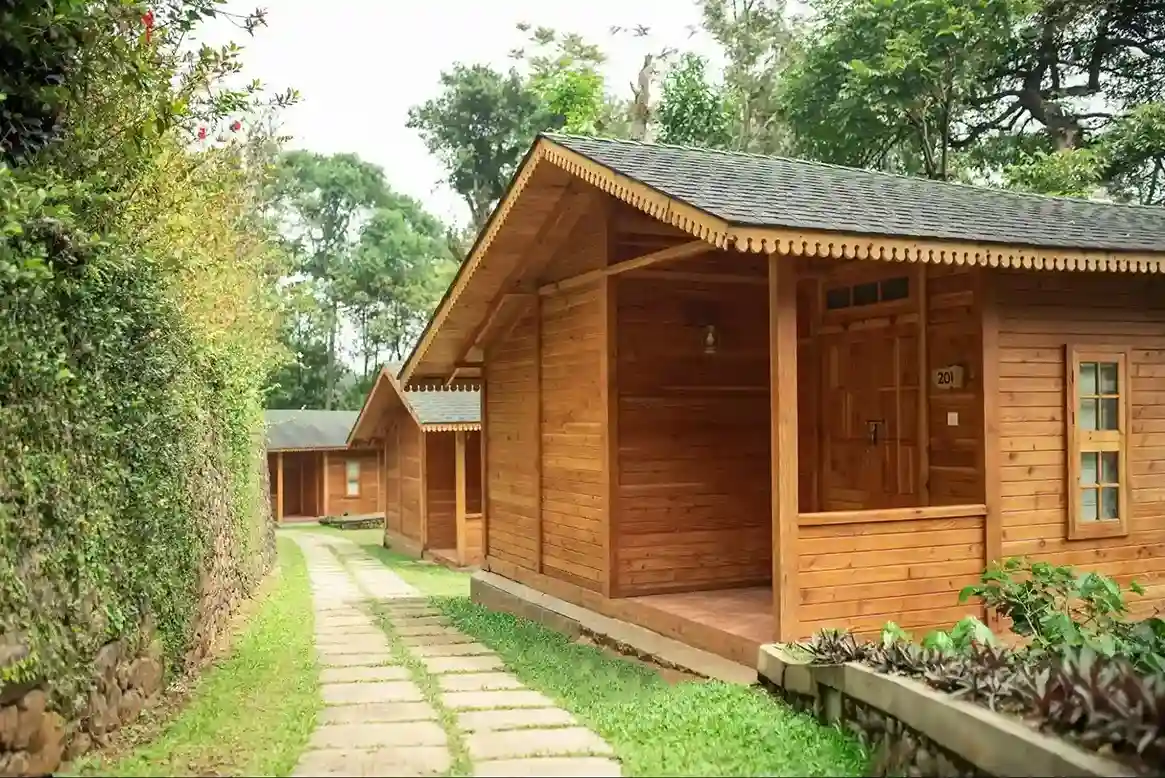
Wood and rain have a relationship that concrete simply cannot replicate. Wooden chalets are built low, close to the ground, with sloped roofs and generous eaves designed centuries ago in mountain regions specifically to handle heavy rainfall and snow. That same design logic works beautifully in the Western Ghats during the June to September monsoon.
Timber absorbs sound differently than concrete, so rainfall on a wooden roof reads as rhythm rather than noise.
Wood retains warmth better than stone or cement, keeping chalet interiors cosy even when the temperature drops outside.
Sloped wooden roofs and covered sit outs let you watch a downpour up close without ever getting wet.
Natural material palettes such as teak, pine and local timber blend into misty, green surroundings instead of competing with them.
Chalets are usually set apart from the main building, giving each stay a private, cabin in the woods feeling during rain.
The result is sensory rather than purely visual. A monsoon in a wooden chalet is something you hear, smell and feel, not just something you photograph from a window.
The Science and Sensation of Rain on a Wooden Roof
There is a genuine explanation for why people find rain on wood so soothing. Wood is a natural insulator with irregular, porous fibres that absorb and diffuse sound waves rather than reflecting them sharply the way glass, metal or concrete do. This is why rainfall on a wooden chalet roof sounds soft and layered instead of sharp and repetitive.
Add to that petrichor, the earthy scent released when rain hits soil and vegetation, and you get a multisensory environment that lowers stress and slows the pace of a holiday almost automatically. Plantation resorts amplify this effect further, since the rain is falling not on tarmac but on tea bushes, cardamom vines and forest canopy, releasing a scent profile that urban rain simply cannot match.
Kuttikkanam in the Monsoon: A Hill Station Built for Rainy Season Travel
Perched at roughly 3,500 feet in Kerala's Idukki district, Kuttikkanam is one of the top hill stations in Kerala, and monsoon is when it looks its most dramatic. Clouds roll directly through the plantation at eye level, waterfalls that trickle for most of the year turn into full cascades, and the tea and cardamom estates around Peermade turn a deep, saturated green that photographs cannot fully capture.
Waterfalls across the region reach peak flow between June and September, making monsoon the ideal season to see them in full force.
Average daytime temperatures stay comfortably cool, generally between 15 and 22 degrees Celsius, unlike the heat of summer months.
Crowds thin out considerably compared to the October to March peak season, so chalets and viewpoints feel far more private.
The plantation air is cleaner and more fragrant after rain, which enhances every outdoor walk and tea tasting session.
Wooden Chalet Rooms at Misty Mountain Experience
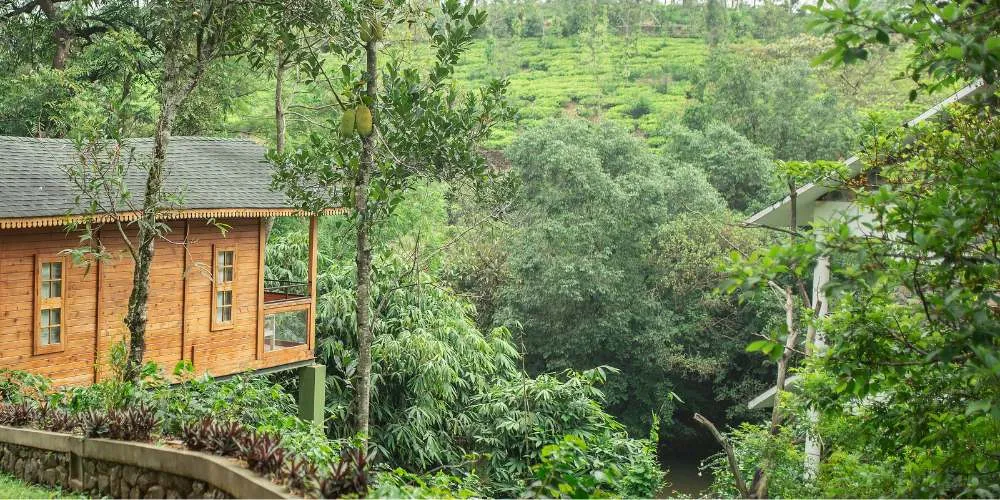
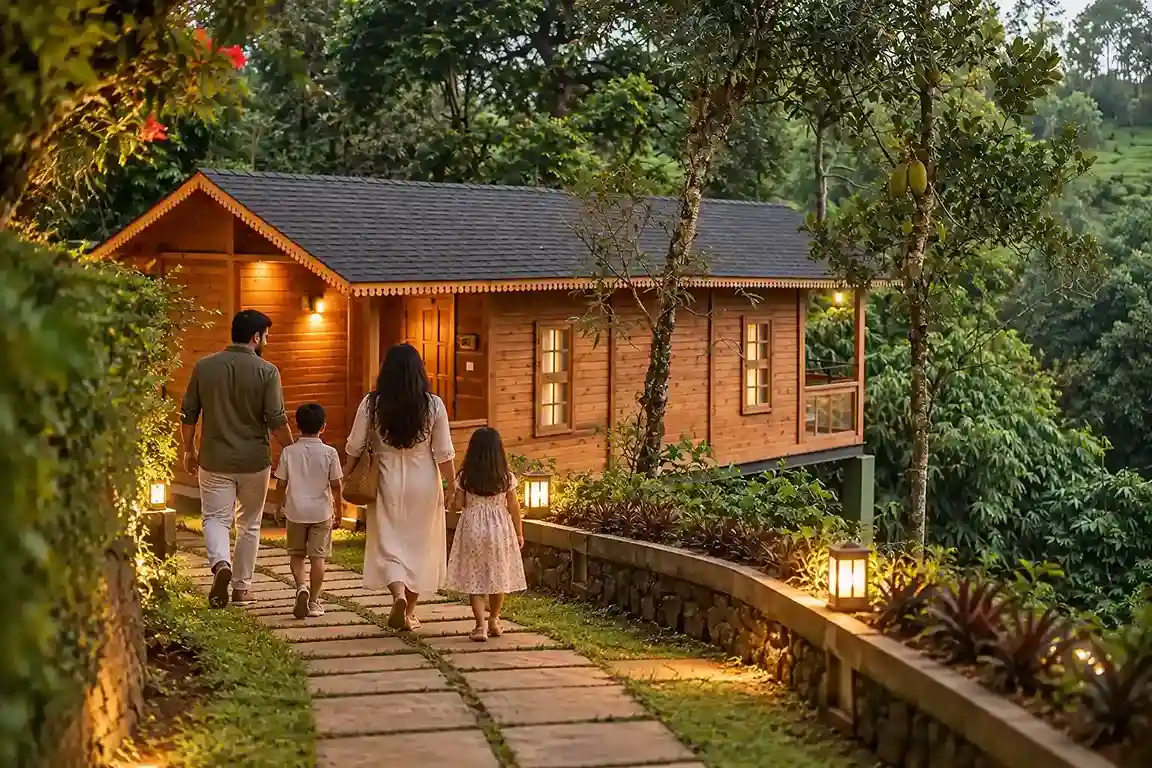
Misty Mountain Plantation Resort sits across 600 acres of tea, coffee and cardamom estate in Peermade, near Kuttikkanam, and offers just seven rooms in total so that every stay feels private rather than crowded. Of these, three are dedicated Wooden Chalets, individual cottages crafted from natural wood and set apart from the main building so they blend directly into the plantation landscape.
What makes these chalets ideal for a monsoon stay
Each wooden chalet is a standalone cottage tucked away from the main road, so outside traffic noise never intrudes on the sound of rain.
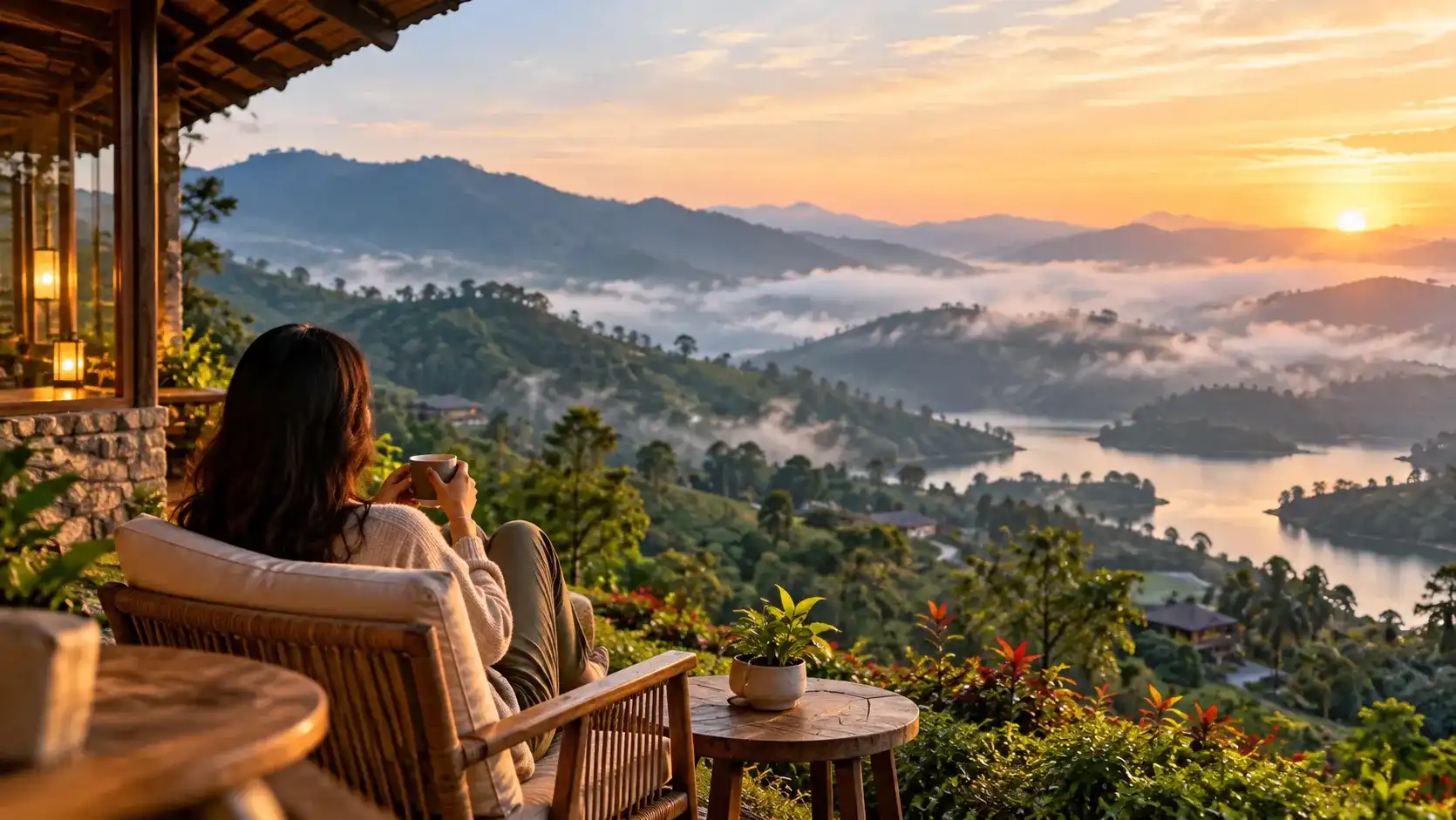
Every chalet comes with a private sit-out, purpose-built for sipping hot tea or reading while rain falls just beyond the railing.
Interiors are spacious and finished in natural timber, keeping rooms warm and dry even during long monsoon downpours.
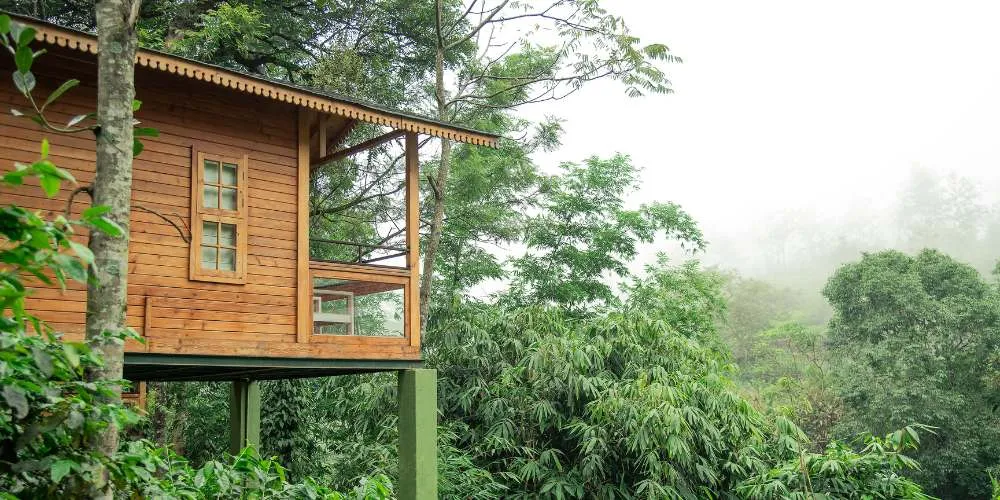
Balconies open directly onto forest and plantation views, so mist and rain become part of the room rather than something seen from a distance.
Attached bathrooms are clean and well maintained, striking a balance between rustic charm and modern comfort.
Guests staying in the chalets often describe watching mist float directly into the room, a detail unique to this style of open, wood-framed architecture.
Guests who prefer a stone-built option with balcony views across two floors can also choose The Reverie Cottages, the resort's four-room stone cottage wing, though for the classic monsoon in a wooden chalet experience, the three standalone chalets remain the most requested rooms during rainy season.
You can see the full room layout, photographs and booking details here.
What to Do During a Monsoon Stay at a Plantation Resort
Rain does not mean staying the entire trip indoors. A plantation resort built for monsoon travel offers plenty to do between showers, and some experiences are only possible during this season.
Take the Orthodox Tea Tour to see how monsoon rainfall directly affects the plucking and processing of fresh tea leaves.
Join a jeep safari through the estate, since post-rain terrain reveals waterfalls and streams that stay dry the rest of the year.
Walk the plantation trails early morning when mist sits low over the tea bushes for some of the best photography of the trip.
Visit the resort's natural waterfall, which is at its most powerful and scenic once the monsoon rains set in.
Spend an evening on your chalet sit-out with a hot beverage, simply listening to rain on the wooden roof and birdsong in between showers.
Practical Tips for a Monsoon Chalet Stay
Pack quick-dry clothing, a light rain jacket and waterproof or grip-soled footwear for plantation walks.
Carry a dry bag or ziplock pouches to protect phones and cameras during outdoor walks between showers.
Book jeep safaris and waterfall visits a day in advance, since timings often depend on that day's rainfall pattern.
Avoid strenuous or unmarked treks during peak monsoon months, as trails can turn slippery and unsafe.
Arrive with a flexible mindset. Some outdoor plans may shift by a few hours, and that flexibility is part of the monsoon charm.
Book Your Monsoon Wooden Chalet Stay at Misty Mountain Experience
A wooden chalet in the rain is not a compromise on a hill station holiday; it is arguably the best version of one. The sound of rainfall on timber, the scent of wet plantation air, and a private sit-out overlooking mist-covered tea bushes are experiences that peak season sunshine simply cannot offer.
If you are planning a monsoon getaway, Misty Mountain Experience in Kuttikkanam, Kerala, offers exactly this experience across its three private Wooden Chalets, set within a 600-acre working plantation of tea, coffee and cardamom. With only seven rooms on the entire property, on-site jeep safaris, a natural waterfall at its most powerful this season, and two restaurants serving local Kerala food, it is built for travellers who want the monsoon, not just a room during it.
Book your stay directly through the website and come home to the rhythm of the rain.