Kerala is often celebrated for its backwaters, beaches, and hill stations, but the soul of the state lies in its culture. Beyond the postcard landscapes exists a living heritage shaped by centuries of trade, spirituality, art, storytelling, music, dance, cuisine, and community traditions. From temple festivals and ritual performances to colonial towns and tribal settlements, Kerala offers travelers an immersive cultural experience unlike anywhere else in India.
What makes cultural tourism in Kerala unique is that culture is not preserved behind museum walls. It is lived every day. You can watch a Kathakali performance in Kochi, witness the sacred energy of Theyyam in North Kerala, sail through the agrarian traditions of Kuttanad, or spend time in the mist-covered plantation regions of Idukki where local life moves in harmony with nature.
Kerala’s cultural richness has also gained global recognition through its performing arts, traditional medicine, architecture, and centuries-old trade connections. The state’s heritage includes classical dance forms, martial arts, synagogue towns, spice routes, temple rituals, and village lifestyles that continue to shape everyday life.
If you are planning a meaningful journey that combines travel with heritage, storytelling, local experiences, and authentic traditions, these cultural tourism destinations in Kerala deserve a place on your itinerary.
Fort Kochi and Mattancherry
Few places in India reflect cultural fusion as beautifully as Fort Kochi and Mattancherry. Walking through the narrow streets here feels like stepping through layers of history shaped by Portuguese, Dutch, British, Jewish, and Arab influences.
The colonial architecture, old churches, spice warehouses, art cafes, and heritage homes create a timeless atmosphere. Chinese fishing nets standing against the Arabian Sea have become one of Kerala’s most recognizable cultural symbols.
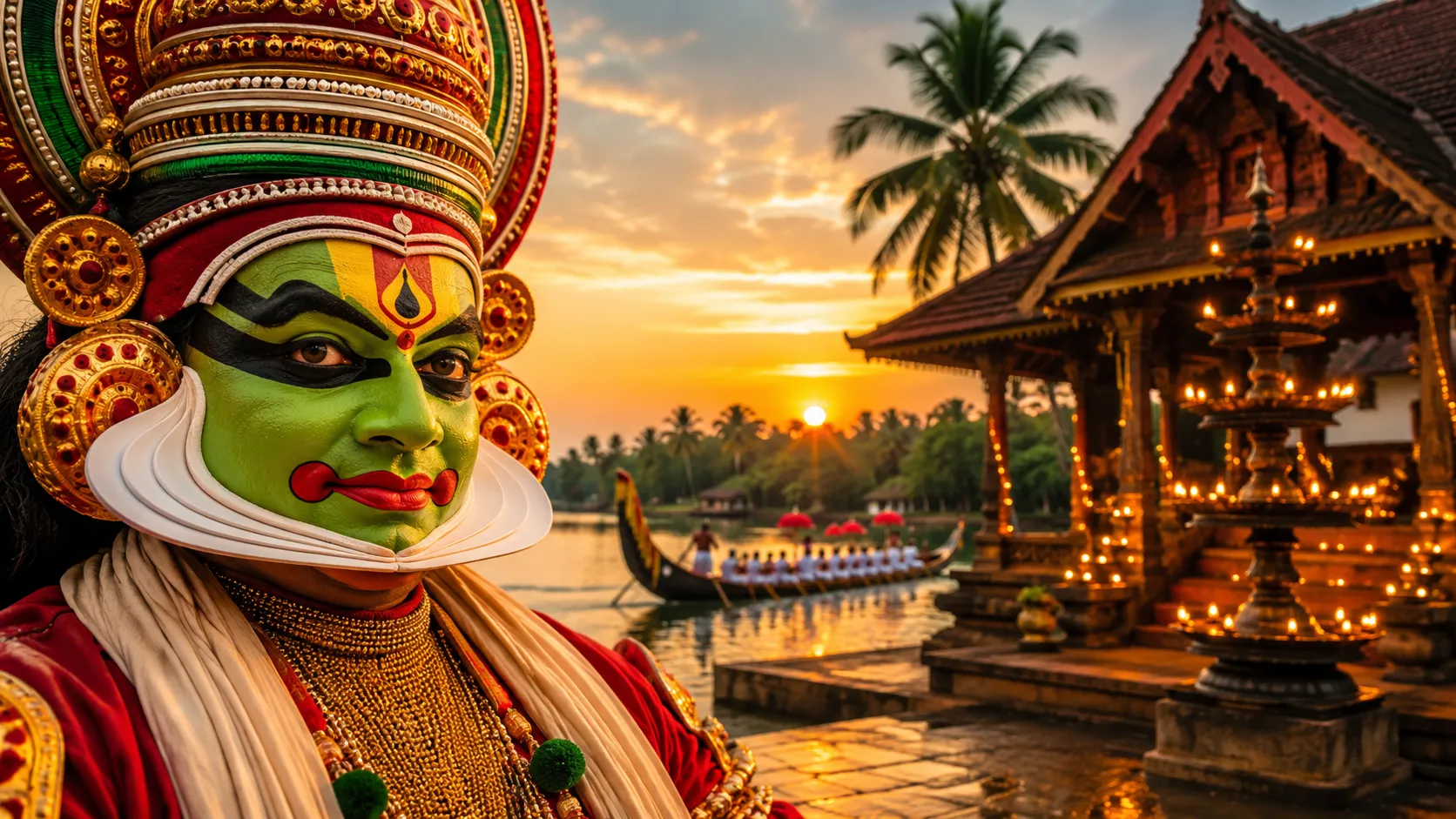
Fort Kochi is also one of the best places to experience Kerala’s classical art traditions. Travelers can attend Kathakali performances where artists spend hours applying elaborate makeup before reenacting stories from Indian epics through expressions and gestures. The region is also known for hosting contemporary cultural events and exhibitions.
Mattancherry adds another layer of heritage through the Paradesi Synagogue, Jew Town, spice markets, and old trading streets that reflect Kerala’s historic connection to global maritime trade.
This destination is ideal for travelers who enjoy heritage walks, photography, architecture, local cuisine, and artistic experiences.
Kannur and the Sacred Tradition of Theyyam
In the northern districts of Kerala, culture becomes spiritual theatre through Theyyam. This ancient ritual art form combines dance, devotion, storytelling, music, and ancestral worship into a deeply emotional experience.
Unlike staged cultural shows, Theyyam is considered sacred by local communities. Performers transform into divine beings through intricate costumes, dramatic face painting, fire rituals, and rhythmic movements. Many locals believe the performer temporarily becomes the deity during the ritual itself. Discussions within Kerala communities also highlight the importance of respecting Theyyam as a sacred tradition rather than treating it merely as entertainment.
Visiting Kannur during the Theyyam season allows travellers to witness Kerala’s living folk traditions in village temples known as kaavus. The performances often continue late into the night and are deeply connected to local history and social identity.
Apart from Theyyam, Kannur is also known for handloom weaving traditions, local cuisine, and scenic coastal villages that retain strong cultural roots.
For travellers seeking authentic and spiritually immersive experiences, Kannur offers one of Kerala’s most unforgettable cultural journeys.
Kuttanad and the Backwater Farming Culture
Kuttanad is not just a backwater destination. It is a cultural landscape shaped by water, agriculture, and community living. Known as the rice bowl of Kerala, this region is famous for below-sea-level farming practices and interconnected waterways that define everyday life.
Travelling through Kuttanad offers a chance to witness a slower rhythm of life where boats remain part of daily transportation, traditional fishing techniques survive, and farming traditions continue across generations.
The region has also begun promoting immersive tourism experiences that include folk performances, village interactions, coir making, local cuisine, and traditional storytelling. Recent tourism initiatives highlight cultural performances such as Villadichan Pattu, Kalaripayattu, and Yakshaganam as part of experiential tourism in the region.
Houseboat stays in Kuttanad are not only about scenic beauty. They offer a glimpse into Kerala’s relationship with water, agriculture, and community heritage.
Travellers who want to experience authentic village life, traditional Kerala meals, and cultural immersion should not miss Kuttanad.
Thrissur and Kerala’s Festival Culture
Thrissur is widely regarded as the cultural capital of Kerala. The city is deeply connected to classical arts, temple traditions, festivals, and music.
The world-famous Thrissur Pooram represents the grandeur of Kerala’s temple festival culture. Decorated elephants, traditional percussion ensembles, fireworks, and ceremonial rituals transform the city into a vibrant celebration of heritage and devotion.
Beyond festivals, Thrissur is home to institutions that preserve Kerala’s classical arts and cultural education. Traditional percussion forms like Chenda Melam and Panchavadyam remain central to the region’s identity.
Nearby heritage temples and cultural centers also offer opportunities to explore Kerala’s architecture, sculpture, and spiritual traditions.
For travellers interested in festivals, music, and ritual traditions, Thrissur provides one of the richest cultural experiences in South India.
Muziris Heritage Region
The Muziris Heritage region tells the story of Kerala’s ancient global connections. Once an important trading hub linking India with Rome, the Middle East, and China, this region reflects centuries of multicultural exchange.
Archaeological discoveries near Pattanam continue to reveal evidence of Kerala’s historic maritime trade networks and cultural interactions with international civilisations.
Today, the Muziris Heritage Project connects historical sites across central Kerala, including churches, synagogues, mosques, palaces, museums, and traditional settlements. Travellers can explore ancient ports, Jewish heritage sites, old trading towns, and waterways that once carried spices to the world.
The cultural diversity of this region reflects Kerala’s long tradition of coexistence and openness to global influences.
Muziris is ideal for travellers who enjoy history, archaeology, heritage tourism, and storytelling connected to trade and migration.
Wayanad and Tribal Cultural Experiences
Wayanad offers a completely different cultural experience rooted in indigenous traditions and mountain lifestyles. The district is home to several tribal communities whose heritage, crafts, agricultural practices, and oral traditions remain an important part of Kerala’s identity.
The region’s caves, forests, and villages preserve stories that connect travellers to Kerala’s ancient past. Tribal museums and village experiences provide insight into indigenous lifestyles, rituals, music, and ecological knowledge.
Alongside tribal culture, Wayanad also reflects plantation history through its coffee estates and colonial-era influences. The combination of tribal heritage, nature, and rural traditions creates a unique cultural landscape.
Wayanad is perfect for travellers who want meaningful cultural interactions away from crowded tourist centers.
Idukki and the Cultural Beauty of Plantation Life
Idukki represents a quieter and deeply refreshing side of Kerala’s cultural tourism. While many travelers visit the district for its mountains and waterfalls, the real charm of Idukki lies in its plantation lifestyle, high-range traditions, village communities, and the connection between people and nature.
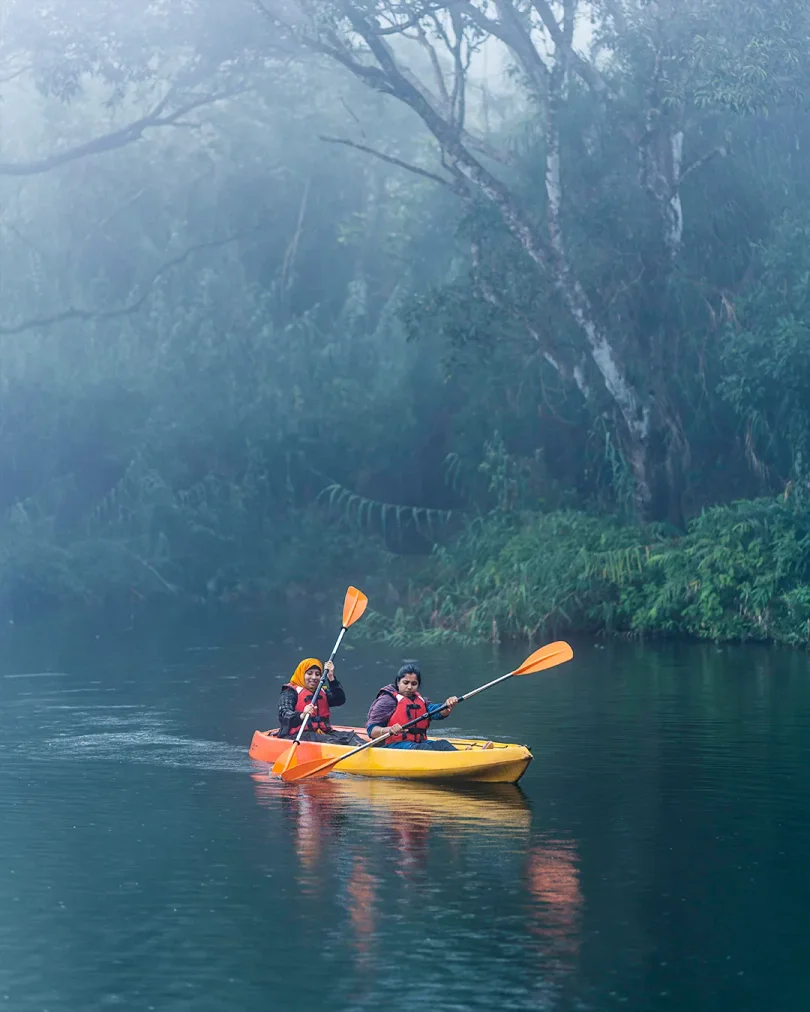
The district is known for mist-covered hills, tea plantations, spice estates, wildlife, and mountain valleys that create one of Kerala’s most scenic landscapes. Tourism authorities describe Idukki as a region rich in forests, rivers, hill stations, plantations, and cultural experiences connected to village life and wellness tourism.
Unlike crowded commercial destinations, Idukki offers a more peaceful cultural experience where travelers can slow down and engage with local life. Plantation visits, spice farm tours, traditional Kerala meals, village interactions, and campfire evenings create meaningful travel memories.
The region also supports cultural experiences such as Kathakali and Bharatanatyam demonstrations through local cultural centers.
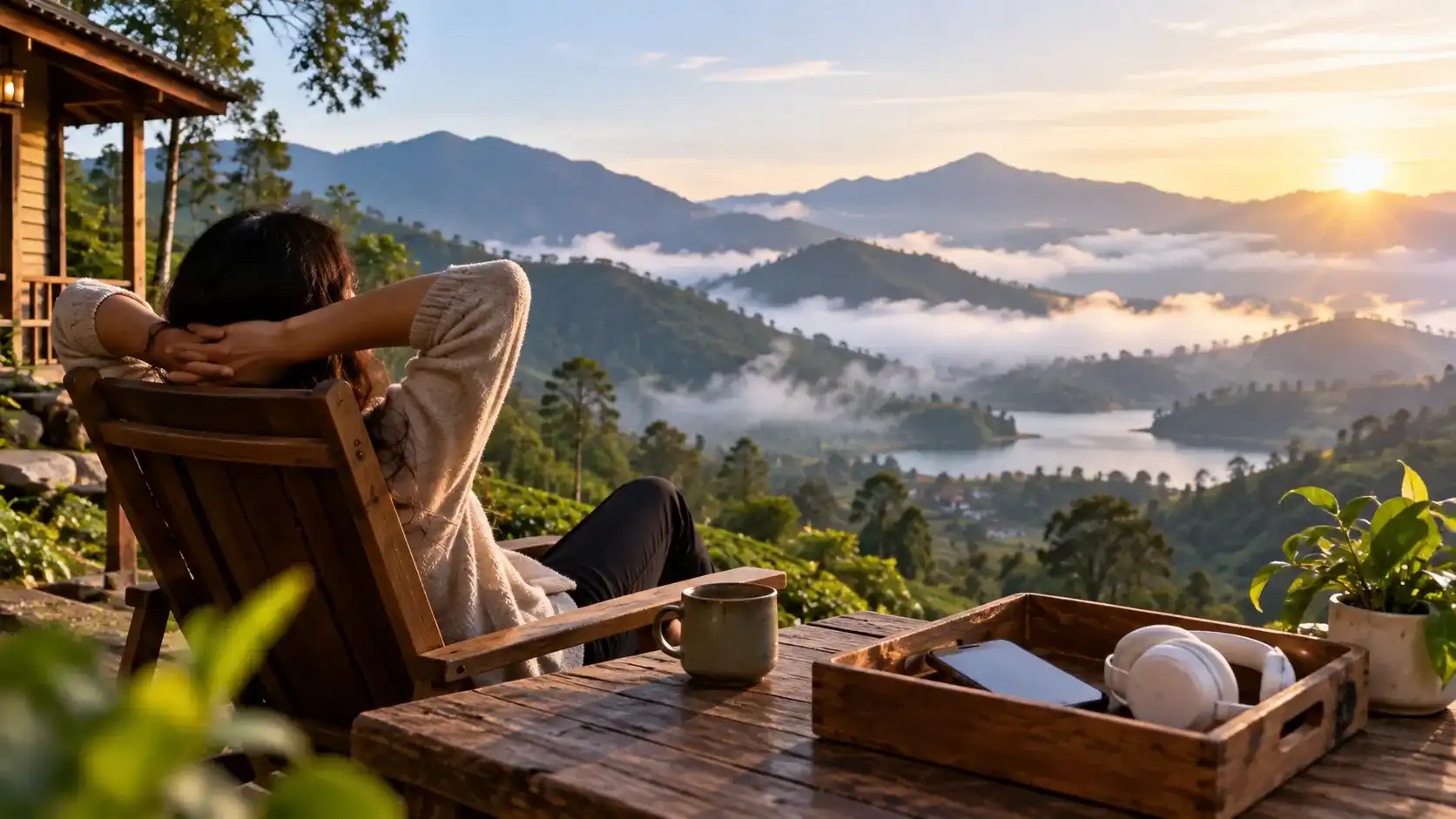
One of the best ways to truly experience the cultural essence of Idukki is by staying amidst the plantations and misty hills. Misty Mountain Experience offers travelers an opportunity to experience the calm beauty of Kerala’s high ranges while staying surrounded by lush greenery and plantation landscapes.
A stay here allows visitors to wake up to mist-covered mountains, explore nearby attractions, enjoy Kerala cuisine, and experience the slower rhythm of life that defines the culture of the hills. Whether you are planning a romantic getaway, a family holiday, or a peaceful retreat, the atmosphere of plantation living adds a unique cultural dimension to your Kerala journey.
Thiruvananthapuram and Kerala’s Classical Heritage
The capital city of Kerala blends royal history, spirituality, and classical traditions. The city is home to the famous Padmanabhaswamy Temple, one of the most culturally significant temples in India.
Thiruvananthapuram also plays an important role in preserving classical dance, music, and literary traditions. Cultural institutions, museums, and traditional architecture make the city an important destination for heritage tourism.
Travelers can explore palace museums, ancient temples, traditional performances, and local cuisine while experiencing the refined cultural atmosphere of the capital city.
Why Cultural Tourism in Kerala Feels Different
Kerala’s cultural tourism stands apart because it combines authenticity with accessibility. Travelers are not simply observing culture from a distance. They are participating in living traditions through food, festivals, performances, rituals, farming communities, and local hospitality.
From sacred rituals in village shrines to spice plantations hidden in the mountains, every region tells a different story. The diversity within Kerala itself is remarkable. Coastal heritage differs from hill culture, tribal traditions differ from temple festivals, and plantation life differs from backwater communities.
This diversity allows travelers to experience multiple cultural worlds within a single state.
Conclusion
Kerala is far more than a scenic destination. It is a cultural journey shaped by history, spirituality, art, agriculture, trade, and community traditions that continue to thrive in modern life.
Whether you are watching Theyyam in Kannur, exploring colonial streets in Fort Kochi, sailing through the villages of Kuttanad, discovering the ancient heritage of Muziris, or relaxing in the plantation landscapes of Idukki, every destination offers a deeper understanding of Kerala’s identity.
For travelers seeking meaningful experiences instead of rushed sightseeing, Kerala remains one of India’s most rewarding cultural destinations.
And if you want to experience the peaceful cultural charm of Kerala’s high ranges, consider staying at Misty Mountain Experience, where misty mountains, plantation life, and authentic Kerala hospitality come together to create a memorable escape.
FAQs
1.What is cultural tourism in Kerala?
Cultural tourism in Kerala focuses on experiencing the state’s heritage, traditions, festivals, performing arts, cuisine, architecture, village life, and historical sites through immersive travel experiences.
2.Which is the best cultural destination in Kerala?
Fort Kochi, Kannur, Thrissur, and Muziris are among the best cultural tourism destinations in Kerala because of their strong heritage and artistic traditions.
3.Why is Theyyam important in Kerala culture?
Theyyam is a sacred ritual art form practiced mainly in North Kerala. It combines dance, devotion, music, and spiritual traditions and is considered deeply significant by local communities.
4.What makes Kuttanad culturally unique?
Kuttanad is known for its below-sea-level farming, interconnected waterways, traditional village life, and strong agricultural heritage that reflects Kerala’s backwater culture.
5.Why should travelers visit Idukki for cultural tourism?
Idukki offers plantation culture, spice farms, village experiences, mountain traditions, and peaceful high-range living that provide a different perspective on Kerala’s cultural identity.
6.Where can travelers stay in Idukki for a plantation experience?
Travelers looking for a peaceful plantation stay can consider Misty Mountain Plantation Resort to experience misty hills, greenery, and authentic Kerala hospitality.
7.What is the best time to explore cultural destinations in Kerala?
The best time to explore Kerala’s cultural destinations is between October and March when the weather is pleasant and many festivals and cultural events take place.