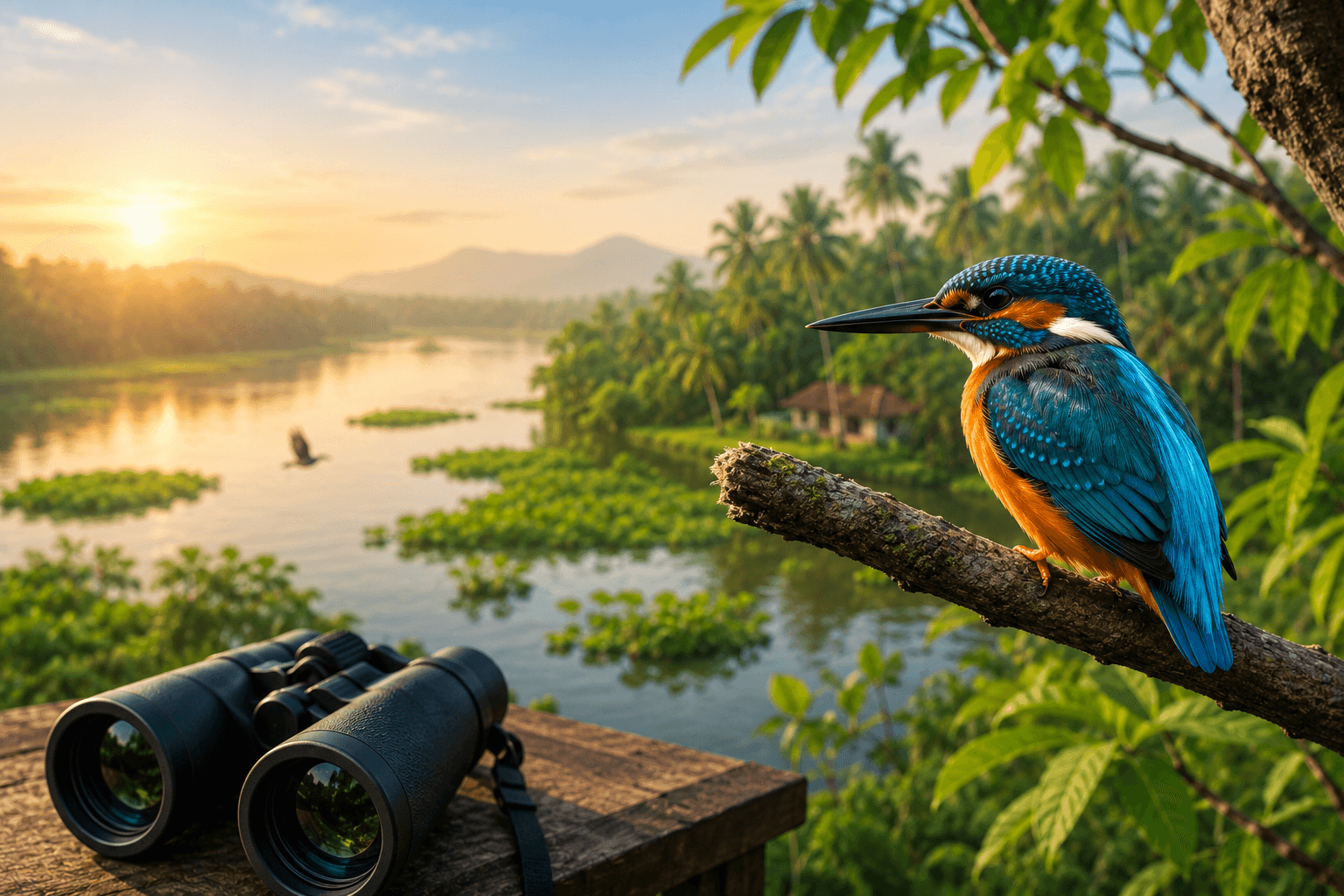
Kerala has long been celebrated as one of the finest birdwatching destinations in Kerala and indeed all of India. Situated along the southwestern edge of the Indian subcontinent and cradled by the Western Ghats, the state is a living mosaic of tropical rainforests, grasslands, wetlands, and hill estates. This diversity of habitat translates directly into an extraordinary variety. Kerala is home to over 500 species of birds, including 16 endemics of the Western Ghats found nowhere else on the planet.
For serious birders and casual nature lovers alike, this comprehensive Kerala birdwatching guide will help you discover the rare privilege of spotting species such as the Malabar Grey Hornbill, the Sri Lanka Frogmouth, the Nilgiri Flycatcher, and the elusive Malabar Whistling Thrush, all in a single trip. The season between October and March is widely considered peak birdwatching time, when resident species are most active and winter migrants swell the count considerably.
Here is a carefully researched guide to the top bird sanctuaries in Kerala and birdwatching spots across the state, including a hidden highland gem that deserves far more attention than it gets.
1. Thattekkad Bird Sanctuary, Ernakulam
No Kerala birdwatching guide would be complete without Thattekkad. Known as the richest bird habitat in peninsular India, this sanctuary was established with the direct involvement of Dr. Salim Ali, the legendary ornithologist often called the Birdman of India. Spanning 25 square kilometres along the banks of the Periyar River, Thattekkad is home to over 320 recorded species of birds, including a remarkable concentration of Western Ghats endemics.
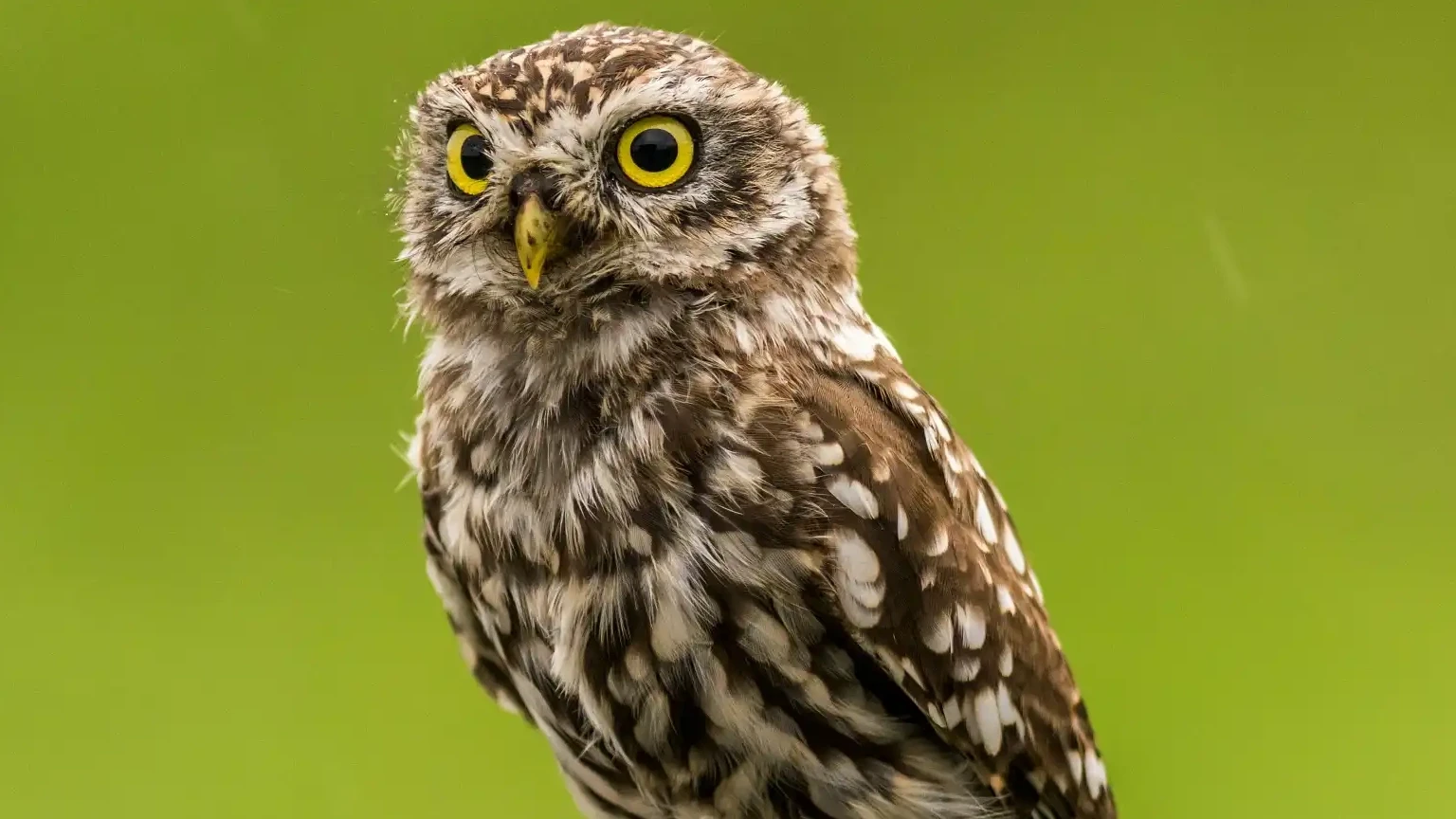
What makes Thattekkad truly special is the mix of tropical evergreen forest, semi-evergreen patches, and riverine woodland that creates an unusual density of birdlife in a compact area. Birders regularly spot the Spot-bellied Eagle Owl, the Bay Owl, the Malabar Pied Hornbill, the Rufous Babbler, and the Rose-billed Roller here. The Ceylon Frogmouth, one of the most sought-after birds in South India, is a consistent presence. Early morning walks along the forest trails reward patience with sightings of the Indian Pitta and the elusive Malabar Trogon.
The sanctuary is about 50 km east of Kochi, making it an accessible day trip from the city. Guided birdwatching trails within the sanctuary are available, and experienced local naturalists can significantly improve your sighting count.
2. Kumarakom Bird Sanctuary, Kottayam
Situated on the eastern shore of Vembanad Lake, the Kumarakom Bird Sanctuary is Kerala's premier wetland birdwatching destination in Kerala. Spanning around 14 acres of mangrove forest and adjacent waterways, the sanctuary is a congregation point for both resident waterbirds and spectacular winter migrants arriving from as far as Siberia.
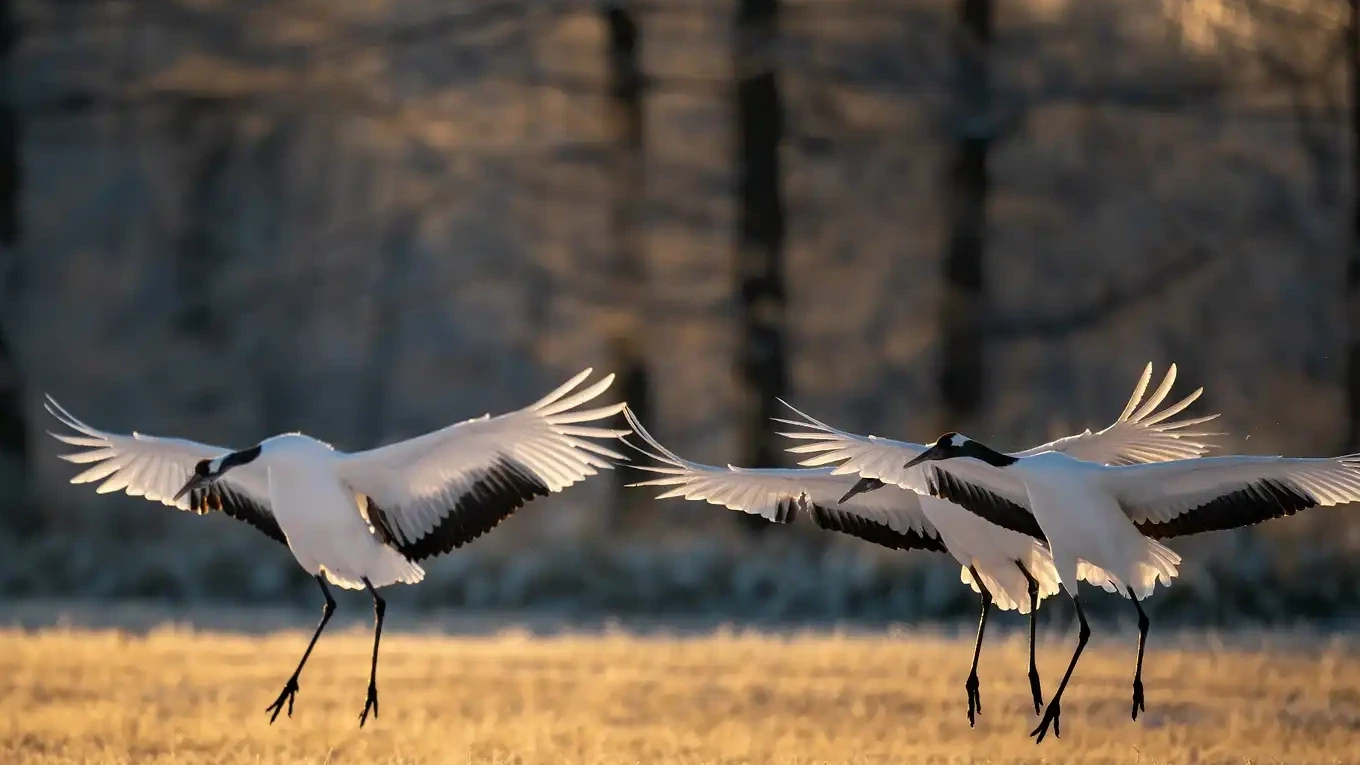
Between November and February, the skies above Kumarakom fill with flocks of Siberian cranes, storks, herons, egrets, and teals. Resident birds include the Oriental Darter, the Purple Heron, Little Cormorants, and various species of kingfishers. The paddy fields and backwater channels around the sanctuary attract small waders and marsh birds throughout the year.
Birdwatching by canoe through the narrow waterways is a uniquely immersive experience available here. The silence of moving through mangroves at dawn, binoculars raised, with the only sounds being water lapping and distant wingbeats, is difficult to replicate anywhere else. Kumarakom is roughly 15 km from Kottayam town and well connected to both road and boat transport.
3. Periyar Tiger Reserve, Thekkady
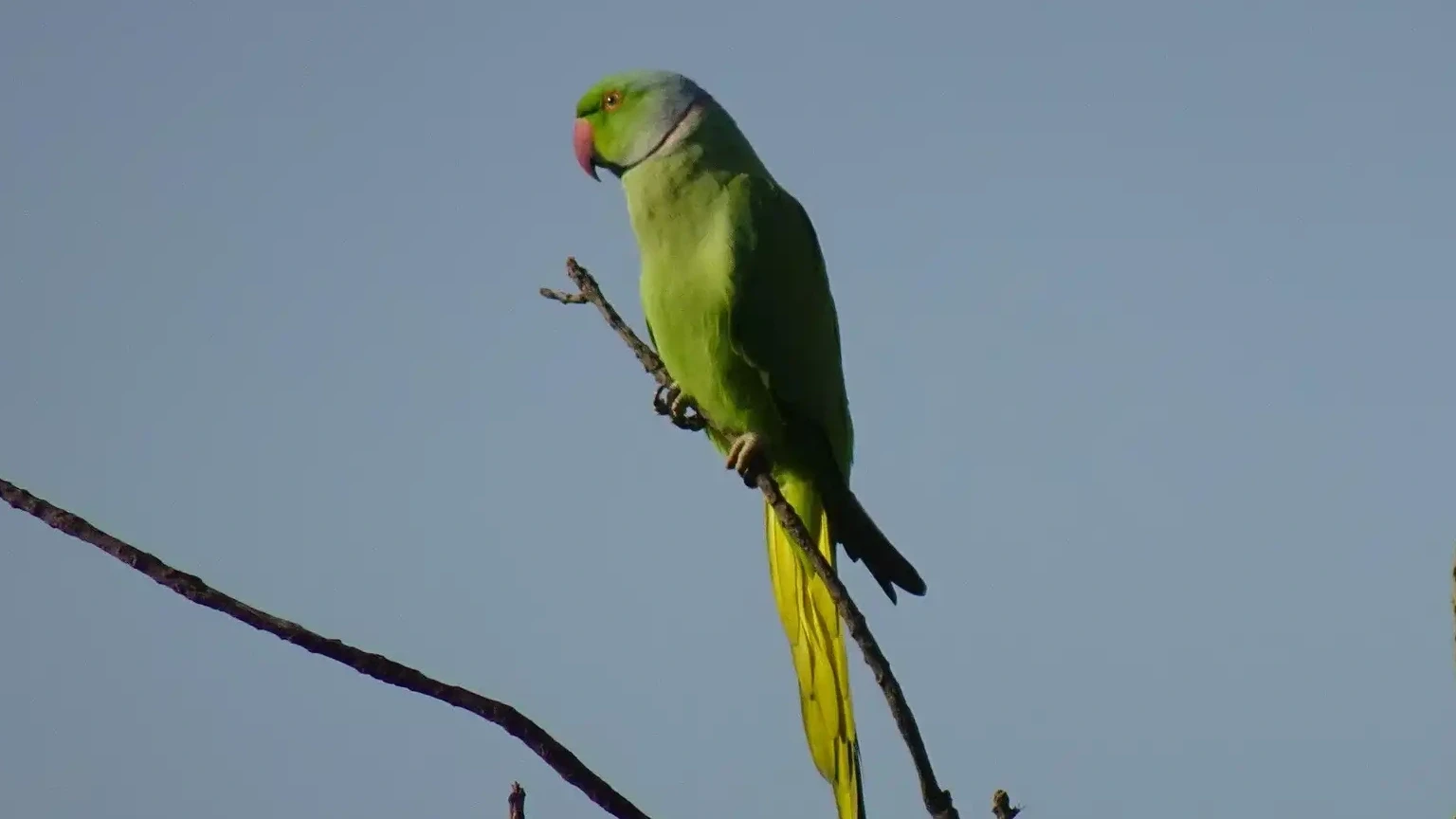
While Periyar is internationally recognised for its elephant and tiger populations, it is equally outstanding among the top bird sanctuaries in Kerala for highland species. Located in the Cardamom Hills of Idukki district, the reserve covers over 777 square kilometres of protected forest. Around 266 species of birds have been recorded here, with a fascinating intermingling of lowland and hill species due to the reserve's elevated position.
Birders at Periyar can expect encounters with the Nilgiri Flycatcher, the Nilgiri Thrush, the Blue-winged Parakeet, the Rufous-bellied Eagle, the Little Spiderhunter, the Black Baza, and the Oriental Darter. Boat rides on the Periyar Lake are a popular option, with sightings of storks, cormorants, and fishing eagles common along the shoreline. Forest walks guided by trained naturalists offer the best chances of spotting forest interior species. For a deeper exploration of Idukki district beyond birding, our Places to Visit in Idukki guide is an excellent companion resource.
Periyar is one of the few destinations in Kerala where birdwatching can be combined with tiger tracking, wildlife safaris, and bamboo rafting, making it an excellent multi-activity destination for groups and families.
4. Silent Valley National Park, Palakkad
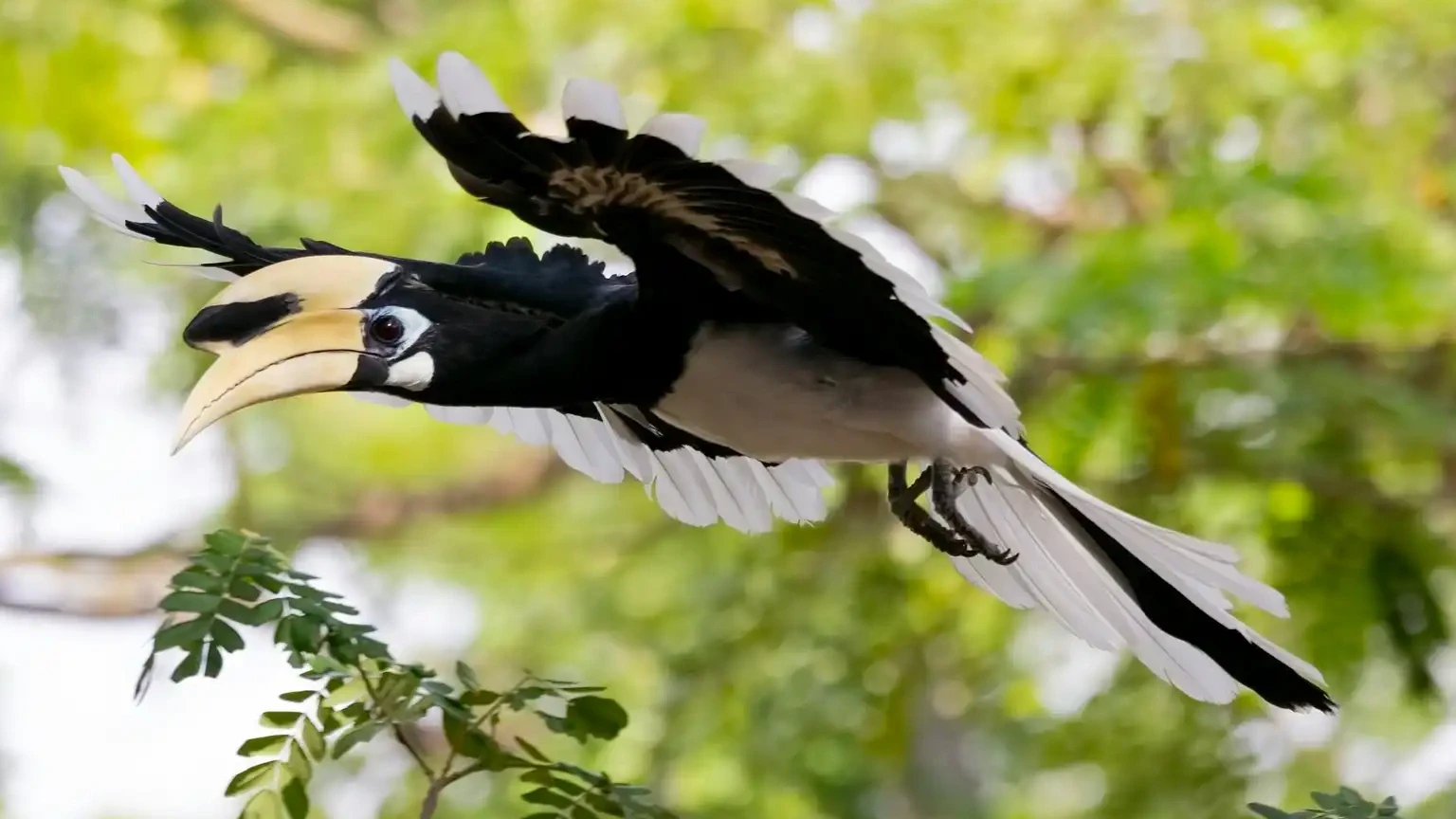
Silent Valley is among the last remaining pristine tropical rainforests in India and is a UNESCO-recognized biodiversity hotspot. Located in the Nilgiri Biosphere Reserve in Palakkad district, the park covers around 237 square kilometres of unbroken rainforest that has remained largely undisturbed for centuries.
The park takes its name from the near-complete absence of the cicada Hyla annectans, which produces the buzz typically heard in tropical forests elsewhere. The resulting hush makes Silent Valley an extraordinary sensory birdwatching experience. Species to watch for include the Nilgiri Laughing Thrush, the Malabar Pied Hornbill, the Broad-billed Flycatcher, and the Great Hornbill. For travellers interested in combining Silent Valley with broader eco-conscious travel, our Kerala Forest Eco Tourism guide covers the best sustainable destinations across the state.
Access to Silent Valley is controlled by the Forest Department, with daily visitor numbers capped to preserve the ecosystem. Prior permits are required, and guided entry is mandatory. This makes Silent Valley a destination that rewards planning, but the reward itself is a forest that feels genuinely untouched.
5. Eravikulam National Park, Munnar
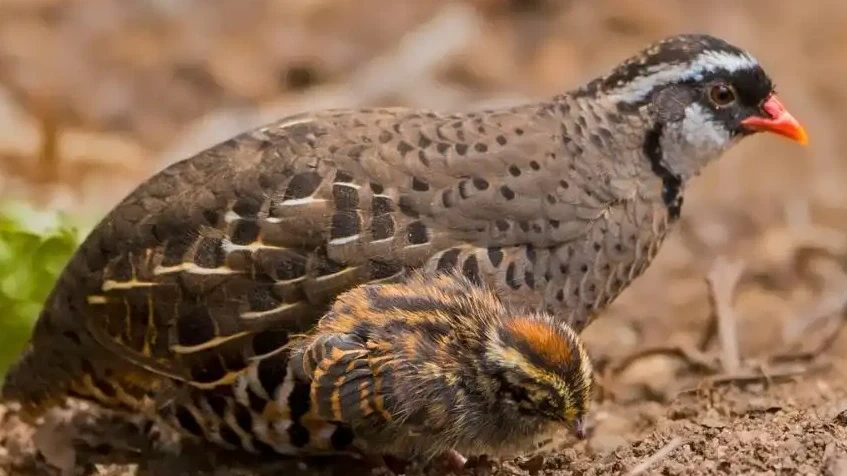
Perched in the high ranges of the Western Ghats in Idukki and Ernakulam districts, Eravikulam National Park is home to some of the state's rarest high-altitude birds. The park covers 97 square kilometres of montane shola grassland and forest, a habitat type endemic to the southern Western Ghats that supports a highly specialised bird community.
Key species here include the Nilgiri Wood Pigeon, the Malabar Pied Hornbill, the Nilgiri Pipit, the Painted Bush Quail, and the striking Black-and-Orange Flycatcher. During winter, rare migrants such as the Rufous-backed Shrike and the Himalayan Pied Woodpecker have also been recorded.
Birdwatching here is best done early in the morning before the tourist crowds arrive. The misty grasslands and rolling hills create dramatic backdrops for photography, and the cooler temperatures make walking comfortable even during summer months.
6. Wayanad Wildlife Sanctuary
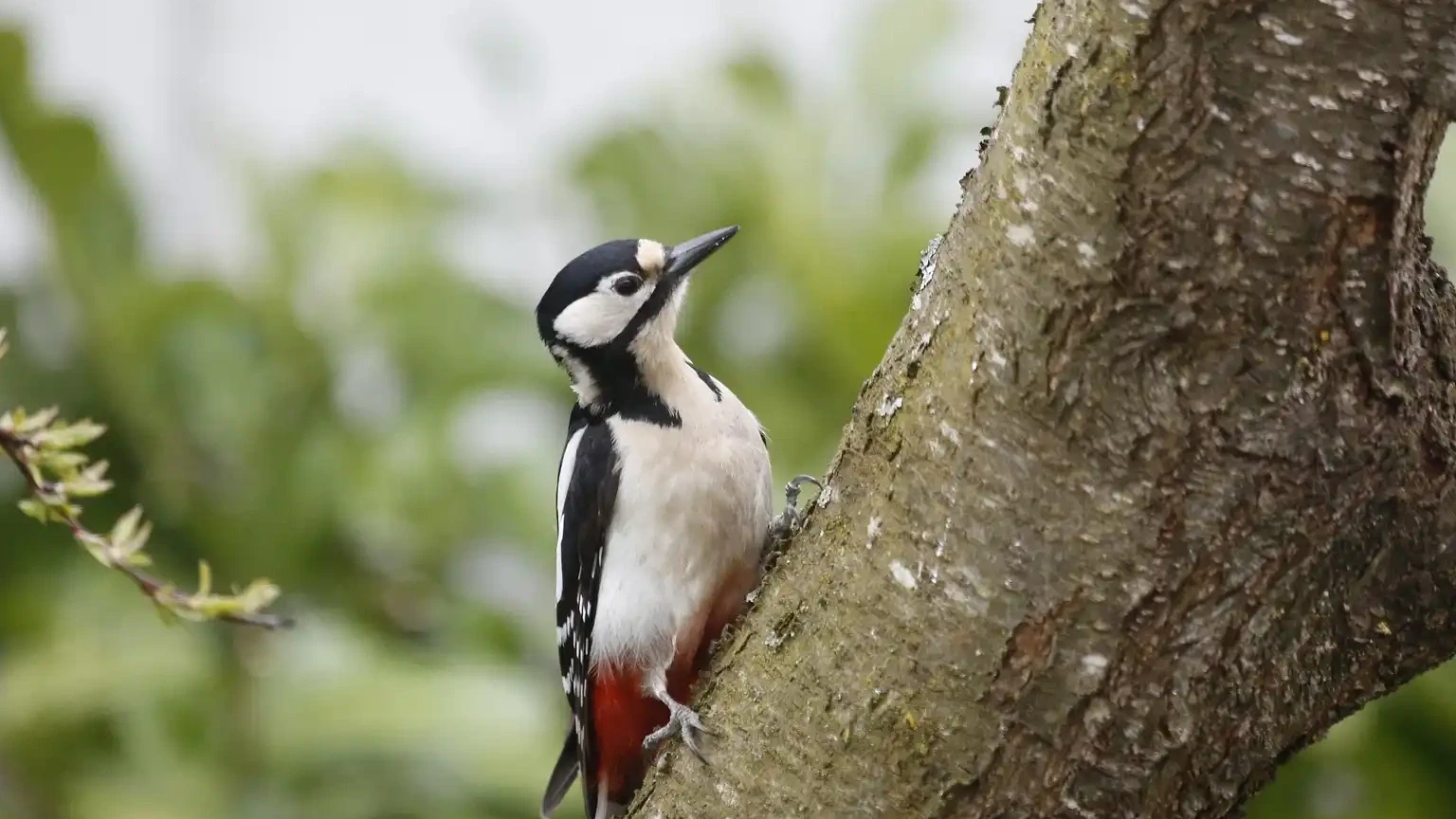
The forests of Wayanad in northern Kerala form part of the Nilgiri Biosphere Reserve and share corridors with the forests of Karnataka and Tamil Nadu. This connectivity makes Wayanad a premier wildlife tourism destination, hosting an unusually high diversity of both resident and migratory birds among the birdwatching spots in the state.
Birdwatchers in Wayanad regularly encounter the Malabar Grey Hornbill, the Great Hornbill, the Crested Serpent Eagle, the Rufous Woodpecker, and various species of owls, babblers, and flycatchers. The Malabar Lark is found in open grassland areas within the sanctuary.
Wayanad is also a destination where birdwatching can be combined with tribal heritage walks, spice plantation tours, and waterfall treks. For travellers who like their nature experiences woven together with cultural depth, Wayanad offers a compelling package.
7. Kuttikanam and the Peermade Highlands, Idukki
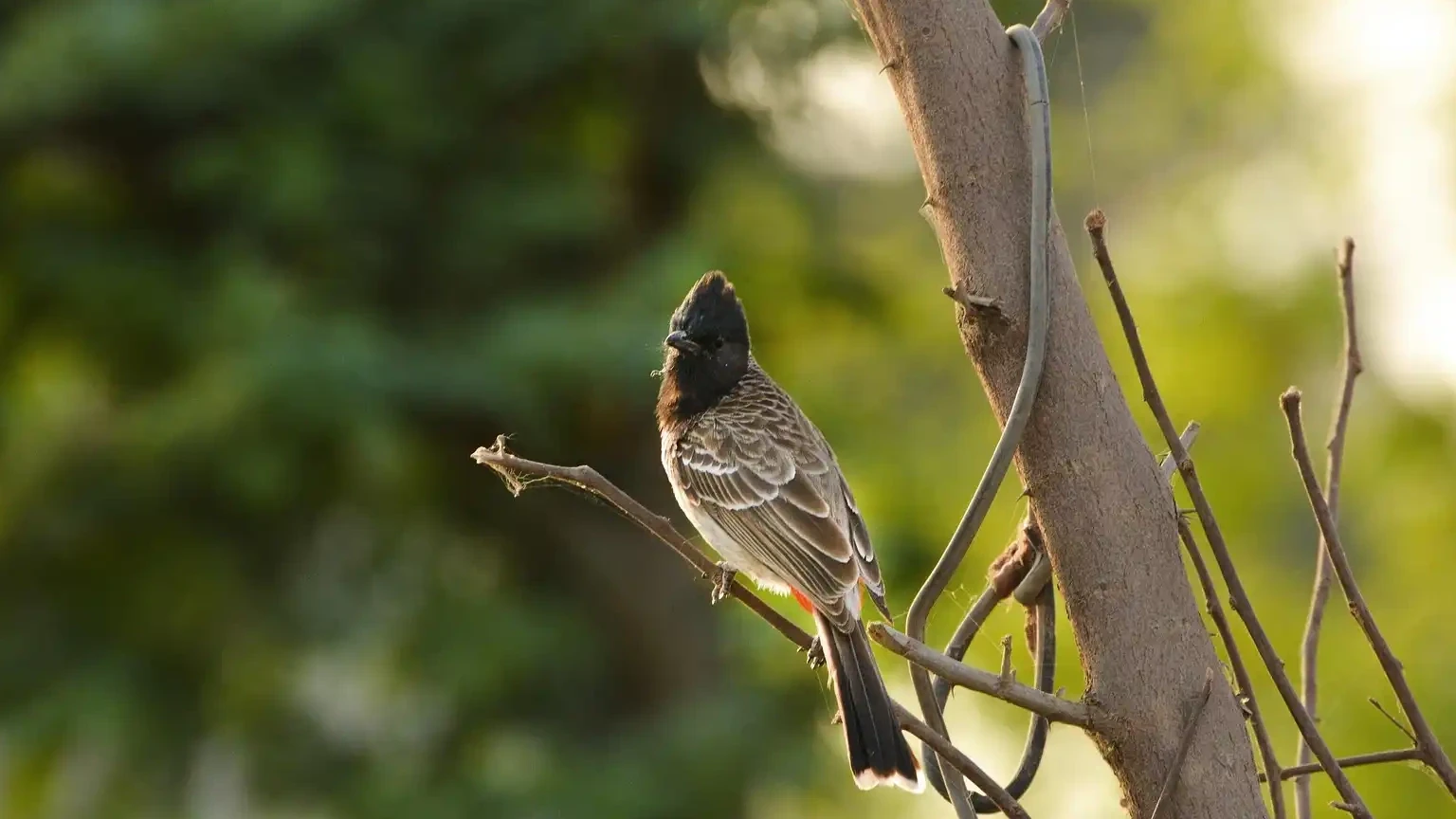
Kuttikanam sits at an elevation of approximately 3,500 feet above sea level in the Idukki district of Kerala, flanked by the rolling green estate lands of Peermade and wrapped in the quiet mist of the Western Ghats. This highland town and its surrounding tea and cardamom estates represent one of the most authentically rewarding birdwatching environments in the region. The cool, humid microclimate supports a strong population of both Western Ghats endemic species and migratory birds, particularly during the October to March season.
The pine forests, shola patches, and plantation corridors around Kuttikanam create layered habitats that attract birds at different canopy levels. Early morning walkers in the area routinely encounter the Malabar Whistling Thrush singing its rich, melodious notes across the valleys. Bulbuls, treepies, minivets, sunbirds, and flowerpeckers are abundant through the estate trails. Serious birders scanning the skies are sometimes rewarded with soaring raptors and, deeper in the shola edges, the call of forest owlets at dusk. To plan a fuller visit to the region, our guide to the top places to visit in Kuttikanam covers the town's best attractions beyond birding.
For travellers looking to combine birdwatching with an immersive plantation stay, Misty Mountain Experience is the natural base in Kuttikanam. Spread across 600 acres of working tea estate in the heart of the Western Ghats, the resort offers guided birdwatching walks at dawn that reward guests with glimpses of endemic and migratory birds in their natural habitat. The experience is not a structured sanctuary visit but something more organic: stepping out of a chalet at first light into cool mountain air, binoculars around your neck, with estate trails stretching ahead through mist and tea rows alive with birdsong.
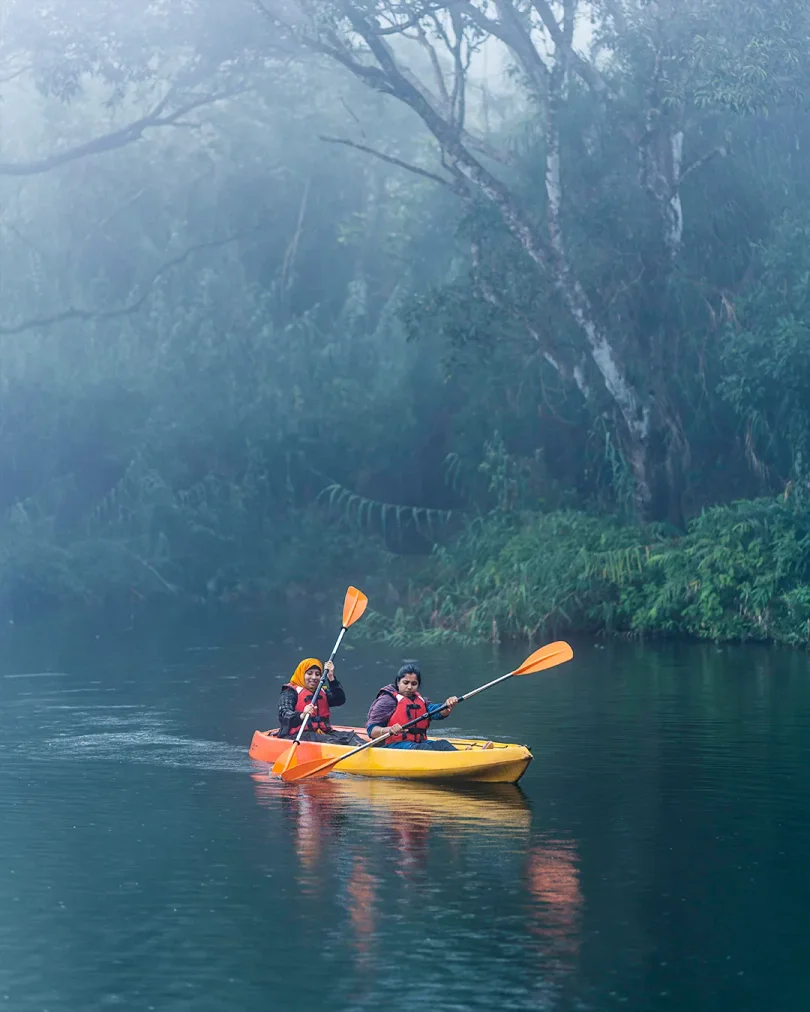
Guests at Misty Mountain have spotted the Malabar Whistling Thrush with its vivid plumage and iconic call resonating across the misty valleys, a sighting that many birders consider one of the signature experiences of a Western Ghats trip. The resort's naturalist-guided walks pair birdwatching with insights into the estate's native flora, making it equally rewarding for first-time naturalists and experienced birders alike. Beyond birdwatching, the resort offers plantation walks, jeep safaris, kayaking, and much more, creating a full nature retreat experience.
Tips for Birdwatching in Kerala
Getting the most from any birdwatching trip in Kerala comes down to timing, preparation, and patience. A few practical pointers:
Visit between October and March for the best combination of resident species activity and winter migrant presence.
Always start early. The first two hours after sunrise are when bird activity peaks across virtually every Kerala habitat.
Hire a local guide whenever possible. Kerala's birding guides have detailed knowledge of call recognition, habitat preference, and seasonal behaviour that no guidebook can fully replicate.
Make sure to have a quality pair of binoculars and a field guide specific to the Western Ghats and peninsular India. "Birds of the Western Ghats" is a standard reference among serious birders visiting the region.
Wear muted colours and avoid strong fragrances. Forest birds, especially, are quickly disturbed by movement and scent.
Obtain necessary permits in advance for protected areas like Silent Valley and Eravikulam, as entry quotas fill quickly during peak season.
eBird, the Cornell Lab of Ornithology's citizen science platform, has extensive Kerala trip reports submitted by visiting birders and is an excellent resource for pre-trip research.
Conclusion
Kerala birdwatching is a rich and rewarding experience in the truest sense. From the dense riverine forests of Thattekkad to the high-altitude grasslands of Eravikulam, from the backwater wetlands of Kumarakom to the misty plantation highlands of Kuttikanam, the best birdwatching destinations in Kerala span an extraordinary range of ecosystems and avian diversity. Whether you are a dedicated lister chasing Western Ghats endemics or a traveller who simply wants to wake up to the sound of birdsong from a mountain chalet, Kerala has the destination for you.
The state's commitment to conservation, reflected in its well-maintained bird sanctuaries in Kerala, trained local guides, and a growing wildlife tourism in Kerala infrastructure, means that birdwatching here is not just about what you see, but how you experience it.
Ready to experience the birds of the Western Ghats firsthand? Plan your stay at Misty Mountain Experience and wake up to guided birdwatching walks, mist-covered plantation trails, and the chorus of endemic birds at dawn. Book your escape today!
Frequently Asked Questions
1. What is the best time for birdwatching in Kerala?
The best time for birdwatching in Kerala is between October and March. This is when resident birds are most active and winter migrants from Central Asia and Siberia arrive in large numbers, significantly boosting the variety of species visible across the state's wetlands, forests, and highland estates.
2. Which are the top bird sanctuaries in Kerala?
The top bird sanctuaries in Kerala include Thattekkad Bird Sanctuary (Ernakulam), Kumarakom Bird Sanctuary (Kottayam), Periyar Tiger Reserve (Thekkady), Silent Valley National Park (Palakkad), Eravikulam National Park (Munnar), Wayanad Wildlife Sanctuary, and the plantation highlands around Kuttikanam in Idukki district.
3. How many bird species can be found in Kerala?
Kerala is home to over 500 species of birds, including 16 species endemic to the Western Ghats that are found nowhere else in the world. The diversity of habitats, ranging from coastal wetlands and backwaters to dense rainforests and high-altitude shola grasslands, accounts for this extraordinary avian richness.
4. Is a guide necessary for birdwatching in Kerala?
While not legally mandatory at most locations, hiring a local naturalist guide is strongly recommended. Kerala's birding guides possess detailed knowledge of species call recognition, microhabitat preferences, and seasonal movement patterns that dramatically improve the quality of sightings. For protected areas like Silent Valley, guided entry is compulsory.
5. What endemic birds can I spot in Kerala?
Kerala's Western Ghats endemics include the Malabar Whistling Thrush, Malabar Grey Hornbill, Malabar Pied Hornbill, Sri Lanka Frogmouth (Ceylon Frogmouth), Nilgiri Flycatcher, Nilgiri Thrush, Nilgiri Wood Pigeon, Rufous Babbler, Blue-winged Parakeet, and the Painted Bush Quail, among others. Thattekkad, Eravikulam, and the Kuttikanam highlands are among the best spots for endemic sightings.
6. How does wildlife tourism in Kerala compare to other Indian states?
Wildlife tourism in Kerala is considered among the finest in India due to the state's exceptional combination of protected areas, biodiversity, and eco-tourism infrastructure. Unlike many destinations that focus on a single flagship species, Kerala offers multi-layered wildlife experiences spanning birds, mammals, reptiles, and amphibians across diverse ecosystems, all within a relatively compact geographic area.
7. Can I do birdwatching at a plantation resort in Kerala?
Yes, plantation resorts in the Western Ghats highlands, particularly around Kuttikanam and the Peermade region, offer some of the most organic birdwatching experiences in Kerala. Resorts like Misty Mountain Experience provide naturalist-guided dawn walks through tea estate trails where guests regularly encounter Malabar Whistling Thrush, sunbirds, minivets, and migratory species in an undisturbed setting.
8. Do I need permits for birdwatching in Kerala's national parks?
Permits are required for certain protected areas. Silent Valley National Park and Eravikulam National Park enforce strict entry quotas with mandatory guided access, and permits should be secured well in advance during peak season (November to February). Entry to Thattekkad Bird Sanctuary and Kumarakom Bird Sanctuary is more straightforward, with fees payable at the gate.

Kerala has long been celebrated as one of the finest birdwatching destinations in Kerala and indeed all of India. Situated along the southwestern edge of the Indian subcontinent and cradled by the Western Ghats, the state is a living mosaic of tropical rainforests, grasslands, wetlands, and hill estates. This diversity of habitat translates directly into an extraordinary variety. Kerala is home to over 500 species of birds, including 16 endemics of the Western Ghats found nowhere else on the planet.
For serious birders and casual nature lovers alike, this comprehensive Kerala birdwatching guide will help you discover the rare privilege of spotting species such as the Malabar Grey Hornbill, the Sri Lanka Frogmouth, the Nilgiri Flycatcher, and the elusive Malabar Whistling Thrush, all in a single trip. The season between October and March is widely considered peak birdwatching time, when resident species are most active and winter migrants swell the count considerably.
Here is a carefully researched guide to the top bird sanctuaries in Kerala and birdwatching spots across the state, including a hidden highland gem that deserves far more attention than it gets.
1. Thattekkad Bird Sanctuary, Ernakulam

No Kerala birdwatching guide would be complete without Thattekkad. Known as the richest bird habitat in peninsular India, this sanctuary was established with the direct involvement of Dr. Salim Ali, the legendary ornithologist often called the Birdman of India. Spanning 25 square kilometres along the banks of the Periyar River, Thattekkad is home to over 320 recorded species of birds, including a remarkable concentration of Western Ghats endemics.
What makes Thattekkad truly special is the mix of tropical evergreen forest, semi-evergreen patches, and riverine woodland that creates an unusual density of birdlife in a compact area. Birders regularly spot the Spot-bellied Eagle Owl, the Bay Owl, the Malabar Pied Hornbill, the Rufous Babbler, and the Rose-billed Roller here. The Ceylon Frogmouth, one of the most sought-after birds in South India, is a consistent presence. Early morning walks along the forest trails reward patience with sightings of the Indian Pitta and the elusive Malabar Trogon.
The sanctuary is about 50 km east of Kochi, making it an accessible day trip from the city. Guided birdwatching trails within the sanctuary are available, and experienced local naturalists can significantly improve your sighting count.
2. Kumarakom Bird Sanctuary, Kottayam

Situated on the eastern shore of Vembanad Lake, the Kumarakom Bird Sanctuary is Kerala's premier wetland birdwatching destination in Kerala. Spanning around 14 acres of mangrove forest and adjacent waterways, the sanctuary is a congregation point for both resident waterbirds and spectacular winter migrants arriving from as far as Siberia.
Between November and February, the skies above Kumarakom fill with flocks of Siberian cranes, storks, herons, egrets, and teals. Resident birds include the Oriental Darter, the Purple Heron, Little Cormorants, and various species of kingfishers. The paddy fields and backwater channels around the sanctuary attract small waders and marsh birds throughout the year.
Birdwatching by canoe through the narrow waterways is a uniquely immersive experience available here. The silence of moving through mangroves at dawn, binoculars raised, with the only sounds being water lapping and distant wingbeats, is difficult to replicate anywhere else. Kumarakom is roughly 15 km from Kottayam town and well connected to both road and boat transport.
3. Periyar Tiger Reserve, Thekkady

While Periyar is internationally recognised for its elephant and tiger populations, it is equally outstanding among the top bird sanctuaries in Kerala for highland species. Located in the Cardamom Hills of Idukki district, the reserve covers over 777 square kilometres of protected forest. Around 266 species of birds have been recorded here, with a fascinating intermingling of lowland and hill species due to the reserve's elevated position.
Birders at Periyar can expect encounters with the Nilgiri Flycatcher, the Nilgiri Thrush, the Blue-winged Parakeet, the Rufous-bellied Eagle, the Little Spiderhunter, the Black Baza, and the Oriental Darter. Boat rides on the Periyar Lake are a popular option, with sightings of storks, cormorants, and fishing eagles common along the shoreline. Forest walks guided by trained naturalists offer the best chances of spotting forest interior species. For a deeper exploration of Idukki district beyond birding, our Places to Visit in Idukki guide is an excellent companion resource.
Periyar is one of the few destinations in Kerala where birdwatching can be combined with tiger tracking, wildlife safaris, and bamboo rafting, making it an excellent multi-activity destination for groups and families.
4. Silent Valley National Park, Palakkad

Silent Valley is among the last remaining pristine tropical rainforests in India and is a UNESCO-recognized biodiversity hotspot. Located in the Nilgiri Biosphere Reserve in Palakkad district, the park covers around 237 square kilometres of unbroken rainforest that has remained largely undisturbed for centuries.
The park takes its name from the near-complete absence of the cicada Hyla annectans, which produces the buzz typically heard in tropical forests elsewhere. The resulting hush makes Silent Valley an extraordinary sensory birdwatching experience. Species to watch for include the Nilgiri Laughing Thrush, the Malabar Pied Hornbill, the Broad-billed Flycatcher, and the Great Hornbill. For travellers interested in combining Silent Valley with broader eco-conscious travel, our Kerala Forest Eco Tourism guide covers the best sustainable destinations across the state.
Access to Silent Valley is controlled by the Forest Department, with daily visitor numbers capped to preserve the ecosystem. Prior permits are required, and guided entry is mandatory. This makes Silent Valley a destination that rewards planning, but the reward itself is a forest that feels genuinely untouched.
5. Eravikulam National Park, Munnar

Perched in the high ranges of the Western Ghats in Idukki and Ernakulam districts, Eravikulam National Park is home to some of the state's rarest high-altitude birds. The park covers 97 square kilometres of montane shola grassland and forest, a habitat type endemic to the southern Western Ghats that supports a highly specialised bird community.
Key species here include the Nilgiri Wood Pigeon, the Malabar Pied Hornbill, the Nilgiri Pipit, the Painted Bush Quail, and the striking Black-and-Orange Flycatcher. During winter, rare migrants such as the Rufous-backed Shrike and the Himalayan Pied Woodpecker have also been recorded.
Birdwatching here is best done early in the morning before the tourist crowds arrive. The misty grasslands and rolling hills create dramatic backdrops for photography, and the cooler temperatures make walking comfortable even during summer months.
6. Wayanad Wildlife Sanctuary

The forests of Wayanad in northern Kerala form part of the Nilgiri Biosphere Reserve and share corridors with the forests of Karnataka and Tamil Nadu. This connectivity makes Wayanad a premier wildlife tourism destination, hosting an unusually high diversity of both resident and migratory birds among the birdwatching spots in the state.
Birdwatchers in Wayanad regularly encounter the Malabar Grey Hornbill, the Great Hornbill, the Crested Serpent Eagle, the Rufous Woodpecker, and various species of owls, babblers, and flycatchers. The Malabar Lark is found in open grassland areas within the sanctuary.
Wayanad is also a destination where birdwatching can be combined with tribal heritage walks, spice plantation tours, and waterfall treks. For travellers who like their nature experiences woven together with cultural depth, Wayanad offers a compelling package.
7. Kuttikanam and the Peermade Highlands, Idukki

Kuttikanam sits at an elevation of approximately 3,500 feet above sea level in the Idukki district of Kerala, flanked by the rolling green estate lands of Peermade and wrapped in the quiet mist of the Western Ghats. This highland town and its surrounding tea and cardamom estates represent one of the most authentically rewarding birdwatching environments in the region. The cool, humid microclimate supports a strong population of both Western Ghats endemic species and migratory birds, particularly during the October to March season.
The pine forests, shola patches, and plantation corridors around Kuttikanam create layered habitats that attract birds at different canopy levels. Early morning walkers in the area routinely encounter the Malabar Whistling Thrush singing its rich, melodious notes across the valleys. Bulbuls, treepies, minivets, sunbirds, and flowerpeckers are abundant through the estate trails. Serious birders scanning the skies are sometimes rewarded with soaring raptors and, deeper in the shola edges, the call of forest owlets at dusk. To plan a fuller visit to the region, our guide to the top places to visit in Kuttikanam covers the town's best attractions beyond birding.
For travellers looking to combine birdwatching with an immersive plantation stay, Misty Mountain Experience is the natural base in Kuttikanam. Spread across 600 acres of working tea estate in the heart of the Western Ghats, the resort offers guided birdwatching walks at dawn that reward guests with glimpses of endemic and migratory birds in their natural habitat. The experience is not a structured sanctuary visit but something more organic: stepping out of a chalet at first light into cool mountain air, binoculars around your neck, with estate trails stretching ahead through mist and tea rows alive with birdsong.
Guests at Misty Mountain have spotted the Malabar Whistling Thrush with its vivid plumage and iconic call resonating across the misty valleys, a sighting that many birders consider one of the signature experiences of a Western Ghats trip. The resort's naturalist-guided walks pair birdwatching with insights into the estate's native flora, making it equally rewarding for first-time naturalists and experienced birders alike. Beyond birdwatching, the resort offers plantation walks, jeep safaris, kayaking, and much more, creating a full nature retreat experience.
Tips for Birdwatching in Kerala
Getting the most from any birdwatching trip in Kerala comes down to timing, preparation, and patience. A few practical pointers:
Visit between October and March for the best combination of resident species activity and winter migrant presence.
Always start early. The first two hours after sunrise are when bird activity peaks across virtually every Kerala habitat.
Hire a local guide whenever possible. Kerala's birding guides have detailed knowledge of call recognition, habitat preference, and seasonal behaviour that no guidebook can fully replicate.
Make sure to have a quality pair of binoculars and a field guide specific to the Western Ghats and peninsular India. "Birds of the Western Ghats" is a standard reference among serious birders visiting the region.
Wear muted colours and avoid strong fragrances. Forest birds, especially, are quickly disturbed by movement and scent.
Obtain necessary permits in advance for protected areas like Silent Valley and Eravikulam, as entry quotas fill quickly during peak season.
eBird, the Cornell Lab of Ornithology's citizen science platform, has extensive Kerala trip reports submitted by visiting birders and is an excellent resource for pre-trip research.
Conclusion
Kerala birdwatching is a rich and rewarding experience in the truest sense. From the dense riverine forests of Thattekkad to the high-altitude grasslands of Eravikulam, from the backwater wetlands of Kumarakom to the misty plantation highlands of Kuttikanam, the best birdwatching destinations in Kerala span an extraordinary range of ecosystems and avian diversity. Whether you are a dedicated lister chasing Western Ghats endemics or a traveller who simply wants to wake up to the sound of birdsong from a mountain chalet, Kerala has the destination for you.
The state's commitment to conservation, reflected in its well-maintained bird sanctuaries in Kerala, trained local guides, and a growing wildlife tourism in Kerala infrastructure, means that birdwatching here is not just about what you see, but how you experience it.
Ready to experience the birds of the Western Ghats firsthand? Plan your stay at Misty Mountain Experience and wake up to guided birdwatching walks, mist-covered plantation trails, and the chorus of endemic birds at dawn. Book your escape today!
Frequently Asked Questions
1. What is the best time for birdwatching in Kerala?
The best time for birdwatching in Kerala is between October and March. This is when resident birds are most active and winter migrants from Central Asia and Siberia arrive in large numbers, significantly boosting the variety of species visible across the state's wetlands, forests, and highland estates.
2. Which are the top bird sanctuaries in Kerala?
The top bird sanctuaries in Kerala include Thattekkad Bird Sanctuary (Ernakulam), Kumarakom Bird Sanctuary (Kottayam), Periyar Tiger Reserve (Thekkady), Silent Valley National Park (Palakkad), Eravikulam National Park (Munnar), Wayanad Wildlife Sanctuary, and the plantation highlands around Kuttikanam in Idukki district.
3. How many bird species can be found in Kerala?
Kerala is home to over 500 species of birds, including 16 species endemic to the Western Ghats that are found nowhere else in the world. The diversity of habitats, ranging from coastal wetlands and backwaters to dense rainforests and high-altitude shola grasslands, accounts for this extraordinary avian richness.
4. Is a guide necessary for birdwatching in Kerala?
While not legally mandatory at most locations, hiring a local naturalist guide is strongly recommended. Kerala's birding guides possess detailed knowledge of species call recognition, microhabitat preferences, and seasonal movement patterns that dramatically improve the quality of sightings. For protected areas like Silent Valley, guided entry is compulsory.
5. What endemic birds can I spot in Kerala?
Kerala's Western Ghats endemics include the Malabar Whistling Thrush, Malabar Grey Hornbill, Malabar Pied Hornbill, Sri Lanka Frogmouth (Ceylon Frogmouth), Nilgiri Flycatcher, Nilgiri Thrush, Nilgiri Wood Pigeon, Rufous Babbler, Blue-winged Parakeet, and the Painted Bush Quail, among others. Thattekkad, Eravikulam, and the Kuttikanam highlands are among the best spots for endemic sightings.
6. How does wildlife tourism in Kerala compare to other Indian states?
Wildlife tourism in Kerala is considered among the finest in India due to the state's exceptional combination of protected areas, biodiversity, and eco-tourism infrastructure. Unlike many destinations that focus on a single flagship species, Kerala offers multi-layered wildlife experiences spanning birds, mammals, reptiles, and amphibians across diverse ecosystems, all within a relatively compact geographic area.
7. Can I do birdwatching at a plantation resort in Kerala?
Yes, plantation resorts in the Western Ghats highlands, particularly around Kuttikanam and the Peermade region, offer some of the most organic birdwatching experiences in Kerala. Resorts like Misty Mountain Experience provide naturalist-guided dawn walks through tea estate trails where guests regularly encounter Malabar Whistling Thrush, sunbirds, minivets, and migratory species in an undisturbed setting.
8. Do I need permits for birdwatching in Kerala's national parks?
Permits are required for certain protected areas. Silent Valley National Park and Eravikulam National Park enforce strict entry quotas with mandatory guided access, and permits should be secured well in advance during peak season (November to February). Entry to Thattekkad Bird Sanctuary and Kumarakom Bird Sanctuary is more straightforward, with fees payable at the gate.
Kerala has long been celebrated as one of the finest birdwatching destinations in Kerala and indeed all of India. Situated along the southwestern edge of the Indian subcontinent and cradled by the Western Ghats, the state is a living mosaic of tropical rainforests, grasslands, wetlands, and hill estates. This diversity of habitat translates directly into an extraordinary variety. Kerala is home to over 500 species of birds, including 16 endemics of the Western Ghats found nowhere else on the planet.
For serious birders and casual nature lovers alike, this comprehensive Kerala birdwatching guide will help you discover the rare privilege of spotting species such as the Malabar Grey Hornbill, the Sri Lanka Frogmouth, the Nilgiri Flycatcher, and the elusive Malabar Whistling Thrush, all in a single trip. The season between October and March is widely considered peak birdwatching time, when resident species are most active and winter migrants swell the count considerably.
Here is a carefully researched guide to the top bird sanctuaries in Kerala and birdwatching spots across the state, including a hidden highland gem that deserves far more attention than it gets.
1. Thattekkad Bird Sanctuary, Ernakulam

No Kerala birdwatching guide would be complete without Thattekkad. Known as the richest bird habitat in peninsular India, this sanctuary was established with the direct involvement of Dr. Salim Ali, the legendary ornithologist often called the Birdman of India. Spanning 25 square kilometres along the banks of the Periyar River, Thattekkad is home to over 320 recorded species of birds, including a remarkable concentration of Western Ghats endemics.
What makes Thattekkad truly special is the mix of tropical evergreen forest, semi-evergreen patches, and riverine woodland that creates an unusual density of birdlife in a compact area. Birders regularly spot the Spot-bellied Eagle Owl, the Bay Owl, the Malabar Pied Hornbill, the Rufous Babbler, and the Rose-billed Roller here. The Ceylon Frogmouth, one of the most sought-after birds in South India, is a consistent presence. Early morning walks along the forest trails reward patience with sightings of the Indian Pitta and the elusive Malabar Trogon.
The sanctuary is about 50 km east of Kochi, making it an accessible day trip from the city. Guided birdwatching trails within the sanctuary are available, and experienced local naturalists can significantly improve your sighting count.
2. Kumarakom Bird Sanctuary, Kottayam

Situated on the eastern shore of Vembanad Lake, the Kumarakom Bird Sanctuary is Kerala's premier wetland birdwatching destination in Kerala. Spanning around 14 acres of mangrove forest and adjacent waterways, the sanctuary is a congregation point for both resident waterbirds and spectacular winter migrants arriving from as far as Siberia.
Between November and February, the skies above Kumarakom fill with flocks of Siberian cranes, storks, herons, egrets, and teals. Resident birds include the Oriental Darter, the Purple Heron, Little Cormorants, and various species of kingfishers. The paddy fields and backwater channels around the sanctuary attract small waders and marsh birds throughout the year.
Birdwatching by canoe through the narrow waterways is a uniquely immersive experience available here. The silence of moving through mangroves at dawn, binoculars raised, with the only sounds being water lapping and distant wingbeats, is difficult to replicate anywhere else. Kumarakom is roughly 15 km from Kottayam town and well connected to both road and boat transport.
3. Periyar Tiger Reserve, Thekkady

While Periyar is internationally recognised for its elephant and tiger populations, it is equally outstanding among the top bird sanctuaries in Kerala for highland species. Located in the Cardamom Hills of Idukki district, the reserve covers over 777 square kilometres of protected forest. Around 266 species of birds have been recorded here, with a fascinating intermingling of lowland and hill species due to the reserve's elevated position.
Birders at Periyar can expect encounters with the Nilgiri Flycatcher, the Nilgiri Thrush, the Blue-winged Parakeet, the Rufous-bellied Eagle, the Little Spiderhunter, the Black Baza, and the Oriental Darter. Boat rides on the Periyar Lake are a popular option, with sightings of storks, cormorants, and fishing eagles common along the shoreline. Forest walks guided by trained naturalists offer the best chances of spotting forest interior species. For a deeper exploration of Idukki district beyond birding, our Places to Visit in Idukki guide is an excellent companion resource.
Periyar is one of the few destinations in Kerala where birdwatching can be combined with tiger tracking, wildlife safaris, and bamboo rafting, making it an excellent multi-activity destination for groups and families.
4. Silent Valley National Park, Palakkad

Silent Valley is among the last remaining pristine tropical rainforests in India and is a UNESCO-recognized biodiversity hotspot. Located in the Nilgiri Biosphere Reserve in Palakkad district, the park covers around 237 square kilometres of unbroken rainforest that has remained largely undisturbed for centuries.
The park takes its name from the near-complete absence of the cicada Hyla annectans, which produces the buzz typically heard in tropical forests elsewhere. The resulting hush makes Silent Valley an extraordinary sensory birdwatching experience. Species to watch for include the Nilgiri Laughing Thrush, the Malabar Pied Hornbill, the Broad-billed Flycatcher, and the Great Hornbill. For travellers interested in combining Silent Valley with broader eco-conscious travel, our Kerala Forest Eco Tourism guide covers the best sustainable destinations across the state.
Access to Silent Valley is controlled by the Forest Department, with daily visitor numbers capped to preserve the ecosystem. Prior permits are required, and guided entry is mandatory. This makes Silent Valley a destination that rewards planning, but the reward itself is a forest that feels genuinely untouched.
5. Eravikulam National Park, Munnar

Perched in the high ranges of the Western Ghats in Idukki and Ernakulam districts, Eravikulam National Park is home to some of the state's rarest high-altitude birds. The park covers 97 square kilometres of montane shola grassland and forest, a habitat type endemic to the southern Western Ghats that supports a highly specialised bird community.
Key species here include the Nilgiri Wood Pigeon, the Malabar Pied Hornbill, the Nilgiri Pipit, the Painted Bush Quail, and the striking Black-and-Orange Flycatcher. During winter, rare migrants such as the Rufous-backed Shrike and the Himalayan Pied Woodpecker have also been recorded.
Birdwatching here is best done early in the morning before the tourist crowds arrive. The misty grasslands and rolling hills create dramatic backdrops for photography, and the cooler temperatures make walking comfortable even during summer months.
6. Wayanad Wildlife Sanctuary

The forests of Wayanad in northern Kerala form part of the Nilgiri Biosphere Reserve and share corridors with the forests of Karnataka and Tamil Nadu. This connectivity makes Wayanad a premier wildlife tourism destination, hosting an unusually high diversity of both resident and migratory birds among the birdwatching spots in the state.
Birdwatchers in Wayanad regularly encounter the Malabar Grey Hornbill, the Great Hornbill, the Crested Serpent Eagle, the Rufous Woodpecker, and various species of owls, babblers, and flycatchers. The Malabar Lark is found in open grassland areas within the sanctuary.
Wayanad is also a destination where birdwatching can be combined with tribal heritage walks, spice plantation tours, and waterfall treks. For travellers who like their nature experiences woven together with cultural depth, Wayanad offers a compelling package.
7. Kuttikanam and the Peermade Highlands, Idukki

Kuttikanam sits at an elevation of approximately 3,500 feet above sea level in the Idukki district of Kerala, flanked by the rolling green estate lands of Peermade and wrapped in the quiet mist of the Western Ghats. This highland town and its surrounding tea and cardamom estates represent one of the most authentically rewarding birdwatching environments in the region. The cool, humid microclimate supports a strong population of both Western Ghats endemic species and migratory birds, particularly during the October to March season.
The pine forests, shola patches, and plantation corridors around Kuttikanam create layered habitats that attract birds at different canopy levels. Early morning walkers in the area routinely encounter the Malabar Whistling Thrush singing its rich, melodious notes across the valleys. Bulbuls, treepies, minivets, sunbirds, and flowerpeckers are abundant through the estate trails. Serious birders scanning the skies are sometimes rewarded with soaring raptors and, deeper in the shola edges, the call of forest owlets at dusk. To plan a fuller visit to the region, our guide to the top places to visit in Kuttikanam covers the town's best attractions beyond birding.
For travellers looking to combine birdwatching with an immersive plantation stay, Misty Mountain Experience is the natural base in Kuttikanam. Spread across 600 acres of working tea estate in the heart of the Western Ghats, the resort offers guided birdwatching walks at dawn that reward guests with glimpses of endemic and migratory birds in their natural habitat. The experience is not a structured sanctuary visit but something more organic: stepping out of a chalet at first light into cool mountain air, binoculars around your neck, with estate trails stretching ahead through mist and tea rows alive with birdsong.
Guests at Misty Mountain have spotted the Malabar Whistling Thrush with its vivid plumage and iconic call resonating across the misty valleys, a sighting that many birders consider one of the signature experiences of a Western Ghats trip. The resort's naturalist-guided walks pair birdwatching with insights into the estate's native flora, making it equally rewarding for first-time naturalists and experienced birders alike. Beyond birdwatching, the resort offers plantation walks, jeep safaris, kayaking, and much more, creating a full nature retreat experience.
Tips for Birdwatching in Kerala
Getting the most from any birdwatching trip in Kerala comes down to timing, preparation, and patience. A few practical pointers:
Visit between October and March for the best combination of resident species activity and winter migrant presence.
Always start early. The first two hours after sunrise are when bird activity peaks across virtually every Kerala habitat.
Hire a local guide whenever possible. Kerala's birding guides have detailed knowledge of call recognition, habitat preference, and seasonal behaviour that no guidebook can fully replicate.
Make sure to have a quality pair of binoculars and a field guide specific to the Western Ghats and peninsular India. "Birds of the Western Ghats" is a standard reference among serious birders visiting the region.
Wear muted colours and avoid strong fragrances. Forest birds, especially, are quickly disturbed by movement and scent.
Obtain necessary permits in advance for protected areas like Silent Valley and Eravikulam, as entry quotas fill quickly during peak season.
eBird, the Cornell Lab of Ornithology's citizen science platform, has extensive Kerala trip reports submitted by visiting birders and is an excellent resource for pre-trip research.
Conclusion
Kerala birdwatching is a rich and rewarding experience in the truest sense. From the dense riverine forests of Thattekkad to the high-altitude grasslands of Eravikulam, from the backwater wetlands of Kumarakom to the misty plantation highlands of Kuttikanam, the best birdwatching destinations in Kerala span an extraordinary range of ecosystems and avian diversity. Whether you are a dedicated lister chasing Western Ghats endemics or a traveller who simply wants to wake up to the sound of birdsong from a mountain chalet, Kerala has the destination for you.
The state's commitment to conservation, reflected in its well-maintained bird sanctuaries in Kerala, trained local guides, and a growing wildlife tourism in Kerala infrastructure, means that birdwatching here is not just about what you see, but how you experience it.
Ready to experience the birds of the Western Ghats firsthand? Plan your stay at Misty Mountain Experience and wake up to guided birdwatching walks, mist-covered plantation trails, and the chorus of endemic birds at dawn. Book your escape today!
Frequently Asked Questions
1. What is the best time for birdwatching in Kerala?
The best time for birdwatching in Kerala is between October and March. This is when resident birds are most active and winter migrants from Central Asia and Siberia arrive in large numbers, significantly boosting the variety of species visible across the state's wetlands, forests, and highland estates.
2. Which are the top bird sanctuaries in Kerala?
The top bird sanctuaries in Kerala include Thattekkad Bird Sanctuary (Ernakulam), Kumarakom Bird Sanctuary (Kottayam), Periyar Tiger Reserve (Thekkady), Silent Valley National Park (Palakkad), Eravikulam National Park (Munnar), Wayanad Wildlife Sanctuary, and the plantation highlands around Kuttikanam in Idukki district.
3. How many bird species can be found in Kerala?
Kerala is home to over 500 species of birds, including 16 species endemic to the Western Ghats that are found nowhere else in the world. The diversity of habitats, ranging from coastal wetlands and backwaters to dense rainforests and high-altitude shola grasslands, accounts for this extraordinary avian richness.
4. Is a guide necessary for birdwatching in Kerala?
While not legally mandatory at most locations, hiring a local naturalist guide is strongly recommended. Kerala's birding guides possess detailed knowledge of species call recognition, microhabitat preferences, and seasonal movement patterns that dramatically improve the quality of sightings. For protected areas like Silent Valley, guided entry is compulsory.
5. What endemic birds can I spot in Kerala?
Kerala's Western Ghats endemics include the Malabar Whistling Thrush, Malabar Grey Hornbill, Malabar Pied Hornbill, Sri Lanka Frogmouth (Ceylon Frogmouth), Nilgiri Flycatcher, Nilgiri Thrush, Nilgiri Wood Pigeon, Rufous Babbler, Blue-winged Parakeet, and the Painted Bush Quail, among others. Thattekkad, Eravikulam, and the Kuttikanam highlands are among the best spots for endemic sightings.
6. How does wildlife tourism in Kerala compare to other Indian states?
Wildlife tourism in Kerala is considered among the finest in India due to the state's exceptional combination of protected areas, biodiversity, and eco-tourism infrastructure. Unlike many destinations that focus on a single flagship species, Kerala offers multi-layered wildlife experiences spanning birds, mammals, reptiles, and amphibians across diverse ecosystems, all within a relatively compact geographic area.
7. Can I do birdwatching at a plantation resort in Kerala?
Yes, plantation resorts in the Western Ghats highlands, particularly around Kuttikanam and the Peermade region, offer some of the most organic birdwatching experiences in Kerala. Resorts like Misty Mountain Experience provide naturalist-guided dawn walks through tea estate trails where guests regularly encounter Malabar Whistling Thrush, sunbirds, minivets, and migratory species in an undisturbed setting.
8. Do I need permits for birdwatching in Kerala's national parks?
Permits are required for certain protected areas. Silent Valley National Park and Eravikulam National Park enforce strict entry quotas with mandatory guided access, and permits should be secured well in advance during peak season (November to February). Entry to Thattekkad Bird Sanctuary and Kumarakom Bird Sanctuary is more straightforward, with fees payable at the gate.