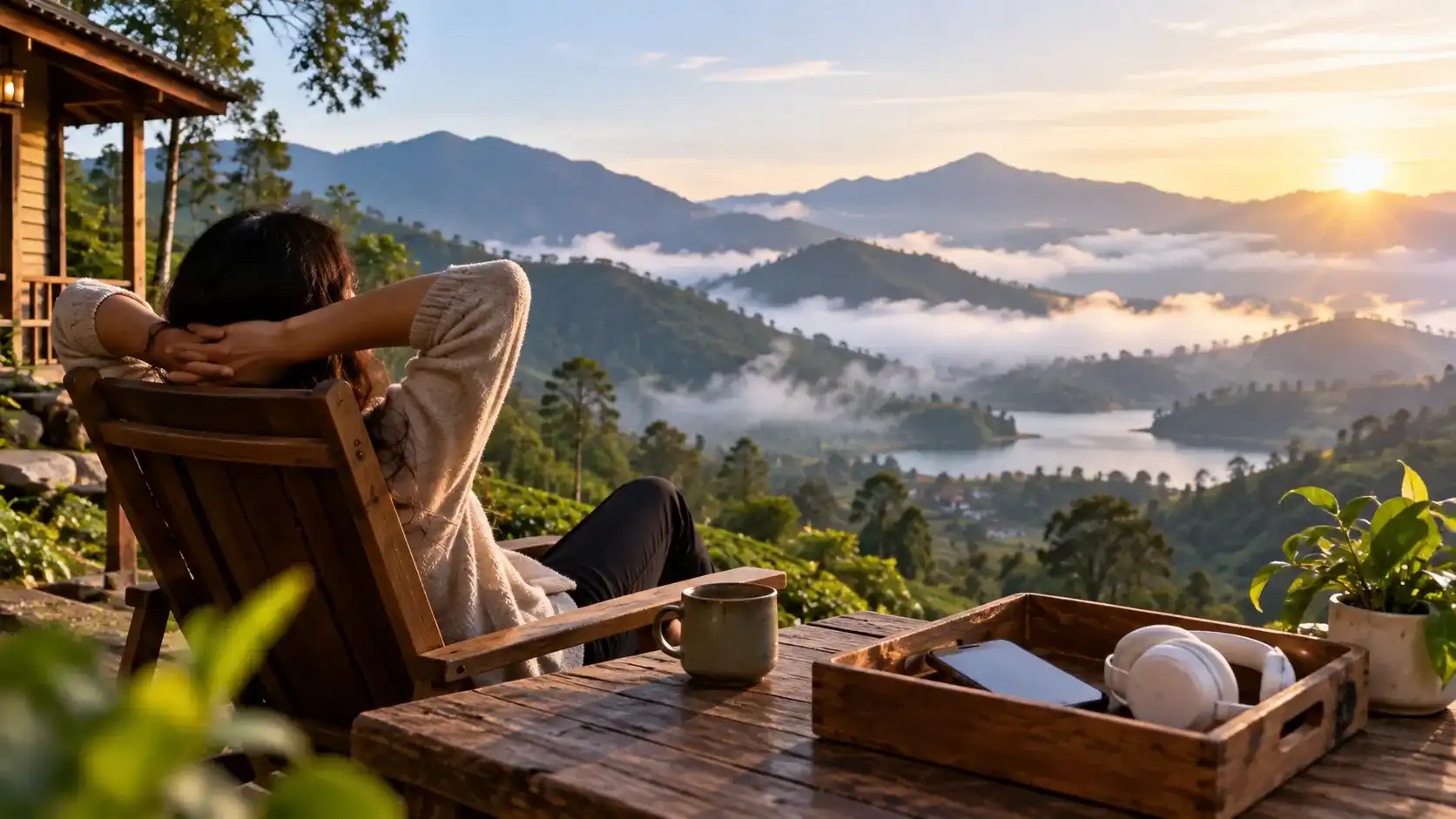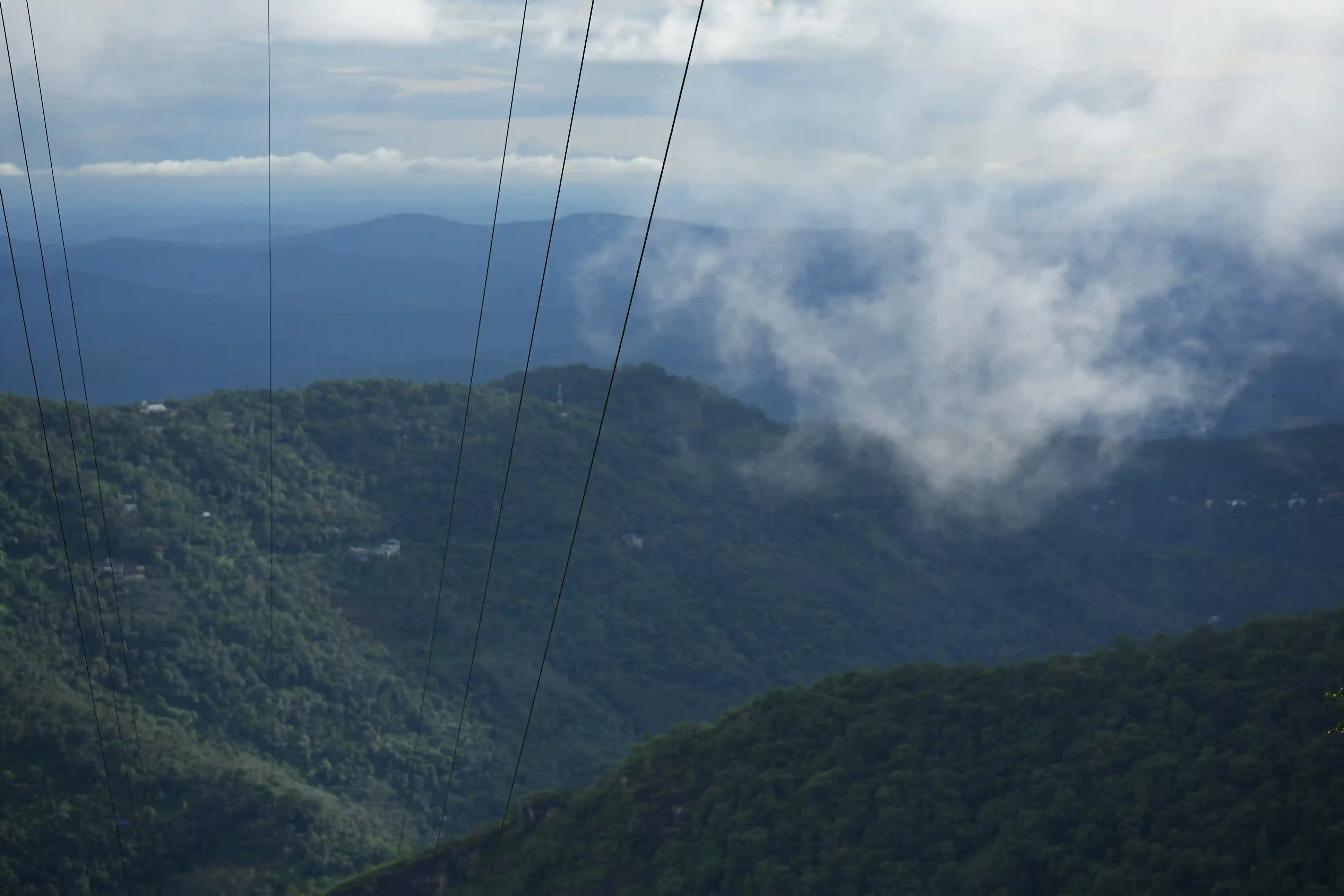
Most travellers plan their Kerala hill station trip for the dry months and quietly skip the rains. That is exactly why Kuttikkanam during monsoon feels like a discovery rather than a destination. Tucked into the Idukki district of the Western Ghats at roughly 3,500 feet, this quiet plantation town swaps its usual calm for something far more dramatic once the clouds arrive.
Waterfalls that trickle in summer turn into full-throated cascades, tea gardens deepen into a shade of green that photographs cannot quite capture, and the crowds that fill nearby Munnar and Vagamon simply do not show up here. If you have been wondering whether a monsoon trip to Kuttikkanam is worth it, this guide breaks down exactly why the answer is yes.
Quick Answer
In short, Kuttikkanam during monsoon, roughly June to September, offers gushing waterfalls, emerald tea estates, cool weather between 15 and 22 degrees Celsius, thin crowds, lower resort rates and a mist covered landscape that looks nothing like the same town in peak season. For travellers who enjoy rain, greenery and quiet hill stations, it is arguably a better time to visit than the popular October to February window.
1. The Waterfalls Reach Their Thundering Best
Waterfalls are the single biggest reason travel writers and locals alike push people towards a monsoon visit. Falls that look like a modest stream in summer, such as Valanjanganam or Kesari Falls right along the Kottayam-Kumily highway, turn into a wide, roaring sheet of white water once the rains set in.
The volume of water, the force of the spray and the sound carrying across the valley are simply not there in the dry months. Several other cascades around the region, including falls fed directly by Western Ghats streams, peak between June and September, which makes this the only real window to see Kuttikkanam's water bodies at full strength.
If waterfalls are your priority, check out this previous blog of ours as it helps to map out the waterfalls around Kuttikkanam before you travel, since a few require short walks and are best avoided right after heavy rain due to slippery rocks.
2. Tea Plantations Turn a Richer, Deeper Green
Kuttikkanam's identity is built around its sprawling tea and spice estates, and monsoon is when they look their absolute best. Constant rainfall pushes the tea bushes into a lush, saturated green that simply does not happen in the drier months, while low clouds drifting over the rows of shrubs create a layered, almost dreamlike view from any hillside.
Walking through a working plantation while a light drizzle falls, with the smell of wet earth and tea leaves in the air, is an experience that peak season visitors never quite get. Estate tours, tea factory visits and short plantation walks are all still very much possible in the rain, usually with just a short pause during the heaviest downpours.
At Misty Mountain Plantation Resort, the monsoon plantation walk leads straight into one of the property's signature experiences: the Orthodox Tea Tour.
The tour moves into the resort's working factory, where a guide takes visitors through the full tea making process by hand, from plucking and withering to rolling, fermentation, drying and final grading, all done the traditional way rather than through the faster CTC method used elsewhere.
The tour then closes with a guided tea tasting session, where guests sample several of Misty Mountain's own blends and pick up on the distinctly bold, robust character that the region's altitude and biodiversity give the leaf, quite different from the lighter, floral notes found in tea from other parts of India. Many guests end up carrying a tin home from the estate shop afterward, making it as much a souvenir stop as a tasting one.
3. The Weather Turns Refreshingly Cool and Cinematic
Temperatures in Kuttikkanam during monsoon typically sit between 15 and 22 degrees Celsius, cool enough for a light jacket in the evenings and comfortable enough for long walks by day. Compare that to the humid heat of Kerala's plains and coastal cities during the same months, and the appeal becomes obvious.
Add rolling fog, low hanging clouds that drift right through the resort grounds, and the sound of rain on a tin roof, and the whole town takes on an atmosphere that feels closer to a hill station in a film than a typical tourist stop. For anyone who finds Kerala's summer heat exhausting, this is reason enough to travel in the rains.
4. You Get the Hill Station Almost to Yourself
Because most tourists follow the crowd towards the October to February season, Kuttikkanam in the monsoon months stays noticeably quiet. Viewpoints such as Parunthumpara and Panchalimedu, which can get crowded with day trippers later in the year, are often nearly empty during a weekday monsoon visit.
This means shorter waits, more space for photographs, and a genuinely peaceful experience at spots that are usually packed with visitors. Quiet trails and pine forest walks feel far more personal when there is no queue of people waiting behind you for the same view.
5. Monsoon Rates Are Kinder to Your Budget
Off season pricing is one of the most practical reasons to visit Kuttikkanam between June and September. Resorts and homestays across the region typically drop their rates during the rains, since demand is lower than the winter peak, which means the same cottage or room that costs significantly more in December can be booked for less during monsoon. Combined with fewer crowds at restaurants and attractions, a monsoon trip usually works out to be a noticeably more affordable version of the same holiday.
6. The Mist Becomes a Living Part of the Landscape
Kuttikkanam is named partly for its misty character, and monsoon is when that mist is at its most theatrical. Clouds do not just sit on distant peaks, they roll directly through the plantations, across balconies and along the roads, sometimes reducing visibility to a few metres before clearing within minutes. Locals describe watching the mist arrive as one of the simplest pleasures of staying here during the rains, whether from a viewpoint, a tea estate path or a private balcony overlooking the valley.
7. It Is a Genuine Paradise for Photography and Content
For photographers, content creators and anyone who enjoys documenting a trip, monsoon light in Kuttikkanam is difficult to beat. Overcast skies produce soft, even lighting that flatters green landscapes without harsh shadows, while raindrops on tea leaves, fog rolling through valleys and dramatic waterfall shots are simply not available outside this season. A single afternoon can offer sunlight breaking through clouds, a sudden downpour and a misty golden hour all within a few hours, giving far more visual variety than a clear, cloudless day ever could.
8. Local Food Tastes Better When It Is Raining
There is a simple, almost universal pleasure in eating hot, freshly made food while rain falls outside, and Kuttikkanam delivers this well. Piping hot Kerala style tea, crisp pazham pori, and spicy fritters taste noticeably better on a cold, wet evening than on a dry sunny one. Many stays and local eateries lean into this with candlelight dinners, bonfire evenings and warm snacks served as the rain sets in, turning a simple meal into one of the more memorable parts of the trip.
9. Heritage Trails and Viewpoints Feel More Atmospheric
Kuttikkanam and neighbouring Peermade carry a layer of colonial and royal history, from old plantation bungalows to former summer residences of the Travancore royal family. Exploring these colonial heritage sites on a misty, overcast day adds an extra layer of atmosphere that simply is not there under bright summer sun. The same applies to viewpoints and hilltop stops, which take on a moodier, more reflective character once clouds and light rain move in.
10. It Pairs Perfectly With a Wider Kerala Hill Station Trip
Kuttikkanam's location makes it easy to combine with nearby destinations across Kerala's hill stations, including Vagamon and Peermade, all of which look markedly different, and arguably better, once the monsoon takes over. Travellers who prefer a structured plan can follow a 2-day Kuttikkanam itinerary and simply adjust the outdoor stops around the day's rain, since most attractions here are flexible enough to work around short showers.
Things to Keep in Mind Before You Travel
A monsoon trip is rewarding, but it does ask for a bit of extra planning compared to the dry season. Keep the following in mind while packing and booking your stay.
Carry a light raincoat or poncho along with a compact umbrella, since showers can arrive without much warning.
Pack quick drying clothes and a pair of proper grip shoes, as several viewpoints and trails get slippery after rain.
Keep electronics in a waterproof pouch or zip lock bag whenever you step out for plantation walks or waterfall visits.
Avoid standing too close to swollen waterfalls or crossing streams during or right after heavy rainfall for safety reasons.
Book accommodation with indoor activities or a covered deck available, so a sudden downpour never really disrupts your plans.
Check road conditions before long drives, since certain ghat stretches can see temporary landslides during very heavy spells.
Best Time Within Monsoon to Plan Your Visit
The core monsoon season in Kuttikkanam runs from June through September, with July and August usually bringing the heaviest and most consistent rainfall, ideal if your main goal is to see waterfalls at their fullest. September tends to offer a gentler shoulder period, with rain showers interspersed with clear, sunny stretches, which suits travellers who want the lush monsoon look without rain for the entire trip. Either window works well, so the right choice really comes down to whether you prefer dramatic downpours or a more balanced mix of sun and rain.
Plan Your Monsoon Escape to Misty Mountain Plantation Resort
If Kuttikkanam's monsoon charm has convinced you, the easiest way to experience it properly is from within a working plantation itself. Misty Mountain Plantation Resort is a kuttikkanam resort in Idukki that spans 600 acres of tea and spice estate in Peermade, with cosy wooden chalets and reverie cottages that look straight out over misty valleys and rain-soaked tea gardens.
Guests can walk through the plantation with a resident naturalist, visit the on-site tea factory, catch the resort's own waterfall running strong, and end the day with hot tea and snacks. It is, quite simply, one of the most immersive ways to experience Kuttikkanam during monsoon. Book your stay at Misty Mountain Plantation Resort and watch this hill station come alive in the rain.