Image of Property

Places to Visit in Idukki: A Complete Travel Guide

Scroll to explore

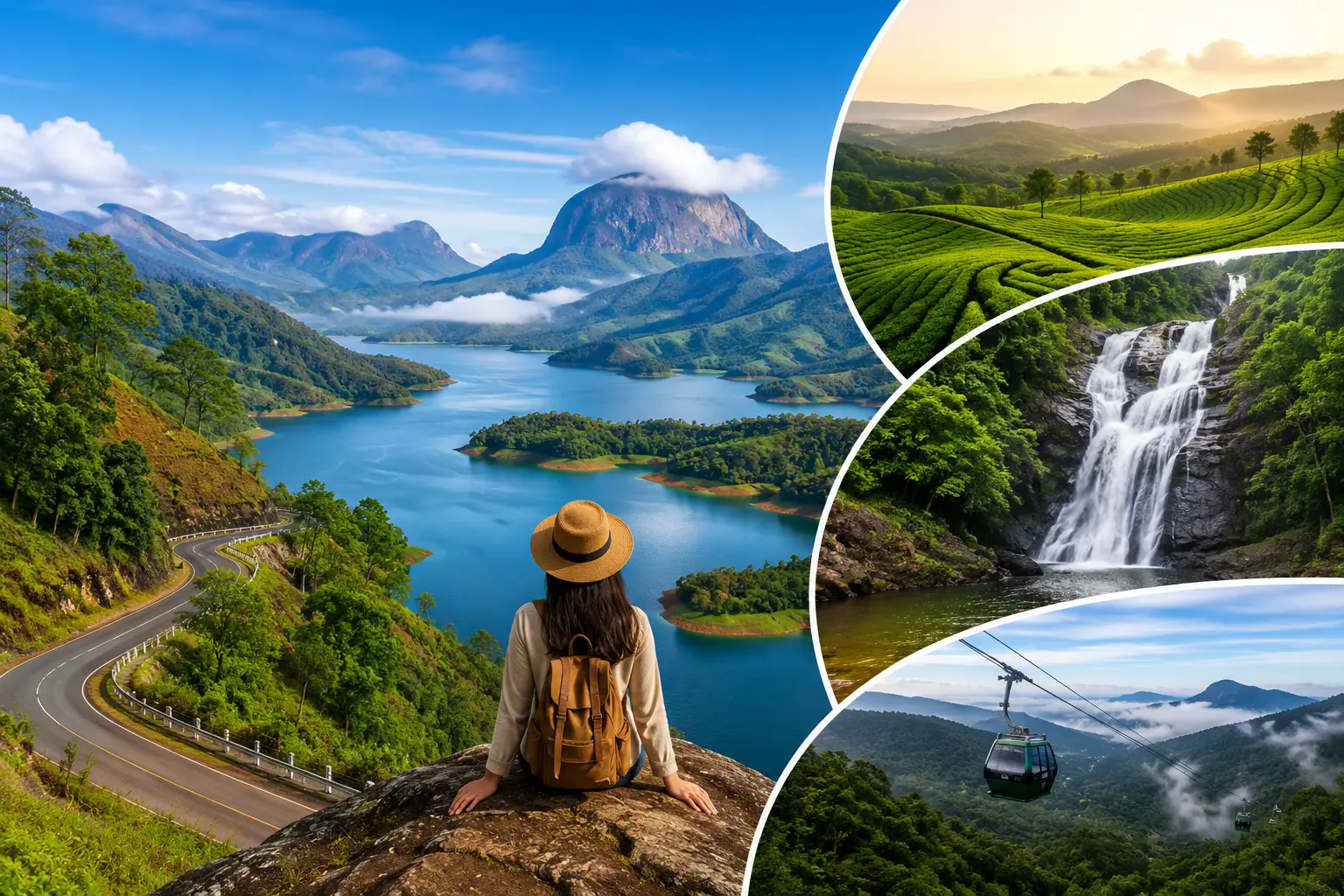
Tucked deep in the Western Ghats of Kerala, Idukki is one of India's most breathtaking hill districts. The tea and spice estates, mist-covered peaks, and beautiful waterfalls make this destination a year-round favourite for nature lovers and adventure seekers alike. Whether you are a first-time visitor or a seasoned traveller, the places to visit in Idukki offer something genuinely unforgettable at every turn.

This guide covers everything from iconic landmarks and hidden gems to the best seasons to visit, practical travel tips, and a curated list of must-see attractions across the district.

What Is Idukki Famous For?

Idukki is famous for a rare combination of natural grandeur and agricultural richness. The district is home to the Idukki Arch Dam, one of the largest arch dams in Asia, set against a dramatic gorge carved by the Periyar River. Beyond engineering marvels, the region is celebrated for producing over 70 percent of India’s cardamom crop, earning it the title "Land of Spices." Its undulating hills are blanketed with cardamom, pepper, rubber, and coffee plantations that have shaped the local economy and culture for centuries.

Idukki is equally recognised for its dense forest cover. The Periyar Tiger Reserve, straddling the border with Pathanamthitta district, and the Chinnar Wildlife Sanctuary in the rain shadow zone together protect an extraordinary range of fauna, including wild elephants, gaur, tigers, and the endangered grizzled giant squirrel. The district also encompasses the Eravikulam National Park, home to the Nilgiri tahr, making Idukki one of Kerala's most biodiverse corners.

Culturally, Idukki is famous for its tribal heritage. Communities such as the Mannans, Mudugas, and Paliyans have lived in these forests for generations, and their traditions, crafts, and festivals add a rich human dimension to the landscape.

Top Places to Visit in Idukki

1. Munnar

No list of places to visit in Idukki is complete without Munnar. Sitting at roughly 1,600 metres above sea level, this hill station is synonymous with endless carpets of tea. The Tata Tea Museum in Nallathanni gives visitors a fascinating window into the history of tea cultivation in the Nilgiris. The viewpoints at Top Station offer panoramas that stretch across the Tamil Nadu border on a clear day. Munnar is also the gateway to Eravikulam National Park, where the Nilgiri tahr grazes freely on high-altitude sholas.

2. Eravikulam National Park

Spread across 97 square kilometres on the Rajamala plateau, Eravikulam National Park is a UNESCO tentative World Heritage Site. The park protects the largest viable population of the endangered Nilgiri tahr and bursts into colour every twelve years during the Neelakurinji bloom, when the hillsides turn violet-blue. The park is open from February to May, and entry is managed through a quota system to protect the ecosystem.

3. Idukki Arch Dam and Wildlife Sanctuary

The Idukki Arch Dam, constructed between two granite hills called Kuravan and Kurathi, is an engineering marvel and the centrepiece of the district. The reservoir behind it forms one of Kerala's largest man-made lakes, and the surrounding Idukki Wildlife Sanctuary supports leopards, sambar deer, and a rich birdlife. The panoramic views from the dam site at dusk are particularly striking.

4. Vagamon

Vagamon sits at the confluence of three hills, Thangal, Murugan, and Kurisumala, and is one of the quieter places to visit in Idukki for travellers seeking solitude. Its vast meadows, pine forests, and paragliding opportunities attract both adventure tourists and those simply looking to unwind. The Kurisumala Ashram, perched on one of the hills, draws pilgrims and peace-seekers from across the country.

5. Thekkady and Periyar Tiger Reserve

Thekkady is the tourism gateway to the Periyar Tiger Reserve, one of India's best-managed biosphere reserves. Boat rides on Periyar Lake offer close encounters with wild elephants bathing on the shore, and trekking routes through the core and buffer zones take visitors past spice plantations and dense bamboo groves. Bamboo rafting on the lake is a particularly immersive experience.

6. Chinnar Wildlife Sanctuary

Located in the rain shadow of the Western Ghats, Chinnar has a drier, almost savannah-like character that contrasts sharply with Munnar's misty greens. The sanctuary is the only protected area in Kerala where the grizzled giant squirrel is found. It also supports star tortoises, crocodiles, and significant populations of elephants. Tribal homestays near Chinnar offer an authentic cultural experience alongside wildlife watching.

7. Mattupetty Dam and Lake

A short drive from Munnar, Mattupetty is a popular day-trip destination centred on a scenic reservoir surrounded by tea estates. The Indo-Swiss Livestock Project dairy farm here is open to visitors and offers an insight into high-altitude cattle breeding. Boating on the lake with the Anamudi peak in the background makes for a memorable afternoon.

8. Kallarkutty and Painavu

Kallarkutty, near the Idukki headquarters at Painavu, is an offbeat destination where a small dam holds back the Thodupuzha River in a forested valley. The area is largely undeveloped and offers genuine wilderness without crowds. Painavu itself is a pleasant base town with good connectivity to the dam, sanctuary, and neighbouring Thodupuzha.

9. Ramakkalmedu

Standing at the edge of the Western Ghats near Nedumkandam, Ramakkalmedu is a high-altitude plateau known for its powerful winds, which have made it a wind energy hub. The site offers sweeping views of the Tamil Nadu plains below and is particularly dramatic during the monsoon. A large statue of Kuravan and Kurathi, the legendary couple associated with local folklore, stands as a popular landmark.

10. Anamudi Peak

At 2,695 metres, Anamudi is the highest peak in South India and sits entirely within Eravikulam National Park. Trekking to the summit is permitted only with special forest department clearance, making it a bucket-list challenge for serious trekkers. The ascent passes through rolling grasslands and shola forests, and the views from the top on a clear day are extraordinary.

Best Time to Visit Idukki

The best time to explore Idukki is between September and May. The post-monsoon months of September to November bring lush greenery and rushing waterfalls. Winter, from December to February, is cool, clear, and ideal for trekking and wildlife watching. March to May offers warm days and is the prime season for visiting Eravikulam National Park before it closes for Nilgiri tahr calving.

The southwest monsoon (June to August) brings heavy rainfall that transforms the landscape dramatically. While some roads become difficult to navigate, plantation stays and indoor activities such as spice tours remain enjoyable for those comfortable with rain.

How to Reach Idukki

  • By Air: The nearest airport is Cochin International Airport (Kochi), approximately 115 kilometres from Idukki town. From Kochi, taxis and state-run buses connect to Munnar, Thekkady, and other key destinations within the district.

  • By Rail: Ernakulam Junction (Kochi) and Kottayam are the most convenient railheads. From either station, regular buses and shared taxis head into the hills.

  • By Road: Idukki is well connected by state and national highways. The Kochi-Dhanushkodi Highway (NH 85) passes through parts of the district, and Kerala KSRTC operates reliable bus services from major cities including Kochi, Kottayam, Thrissur, and Kozhikode.

Where to Stay in Idukki

For travellers looking for a peaceful plantation stay in Idukki, Misty Mountain Experience is one of the best options in the district. The resort is located in Kuttikkanam near Peermade, a scenic hill region in central Idukki known for its tea estates, spice plantations, cool climate, and forest-covered hills. Its location places guests within comfortable driving distance of major attractions such as Thekkady, Vagamon, the Idukki Dam region, and several waterfalls and viewpoints across the district.

Set across a large plantation landscape, the resort is surrounded by tea gardens, hills, and walking trails, giving guests a quieter and more relaxed alternative to crowded tourist centres. One of the biggest advantages of staying at is the balance between comfort and nature. Guests can enjoy spacious rooms, valley views, plantation walks, and open green spaces while still having modern facilities and easy road access.

The property is also known for its plantation and tea experiences. Visitors can learn about the history of tea cultivation in the region, explore estate trails, and enjoy locally sourced tea from their own plantation. Families, couples, and nature lovers often choose the resort because of its calm atmosphere and scenic surroundings.

Essential Travel Tips for Idukki

  • Carry light woolens even in summer, as evenings at high altitude can be cool.

  • Book forest entry and trekking permits for Eravikulam National Park well in advance, especially between February and April.

  • Hire a local guide for wildlife sanctuaries. Their knowledge of animal behaviour and forest trails significantly enhances the experience.

  • Respect plantation boundaries and ask permission before entering private estates.

  • Use biodegradable products during your stay; the region's water bodies and forests are ecologically sensitive.

  • Road conditions in the ghats can change quickly during rain. Check weather updates before long drives.

  • Carry sufficient cash, as ATMs in remote areas can be scarce.

Plan Your Stay at Misty Mountain Experience

Idukki rewards every kind of traveller, from those who want to lose themselves in forest trails to those seeking the quiet comfort of a plantation sunrise. The sheer variety of places to visit in Idukki ensures that no two trips to this district are ever the same.

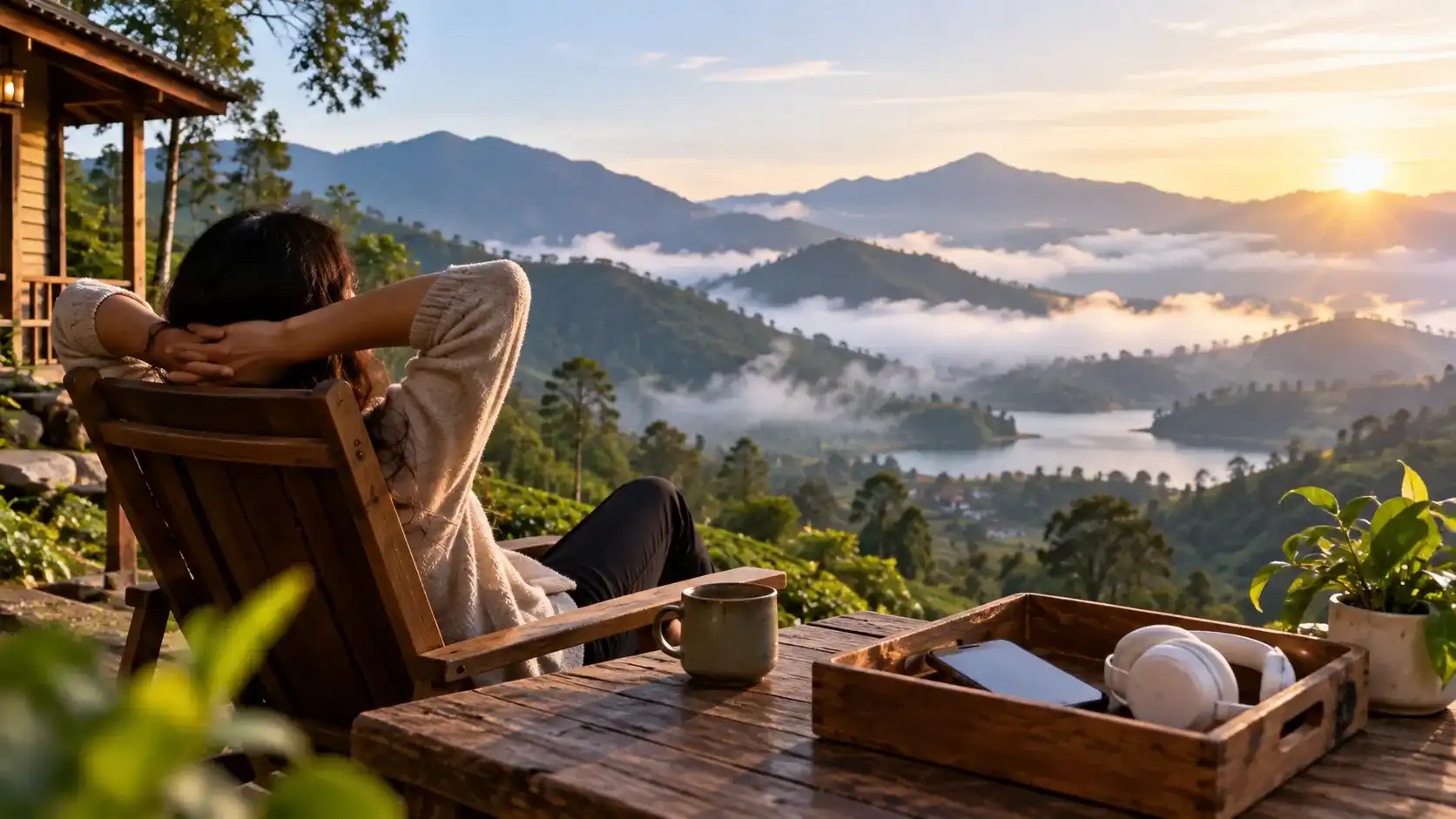
If you are looking for a stay that puts you at the heart of it all, Misty Mountain Experience offers a perfect base. Nestled within a working plantation in the Idukki hills, the resort combines warm hospitality with direct access to the natural beauty that defines this region. Wake up to mist rolling over the valley, explore spice gardens at your doorstep, and let the sounds of the Western Ghats set the pace for your days.

Book your stay at Misty Mountain Experience and experience Idukki the way it was meant to be discovered.

Frequently Asked Questions

Q1. What is Idukki famous for?

Idukki is famous for its spice and tea plantations, the Idukki Arch Dam, Eravikulam National Park, and the Periyar Tiger Reserve. It is also known for being the largest cardamom-producing district in India and for its rich tribal cultural heritage.

Q2. Which are the best places to visit in Idukki?

The top places to visit in Idukki include Munnar, Eravikulam National Park, Thekkady, Vagamon, the Idukki Arch Dam, Chinnar Wildlife Sanctuary, Mattupetty, Ramakkalmedu, and Anamudi Peak.

Q3. When is the best time to visit Idukki?

September to May is generally the best period to visit. October to February offers cool, pleasant weather ideal for outdoor activities. March to May is the season for visiting Eravikulam National Park.

Q4. Is Idukki safe for solo travellers?

Yes, Idukki is considered safe for solo travellers, including solo women. Tourist areas are well managed, and locals are generally welcoming. Standard travel precautions apply, especially on remote forest trails.

Q5. How many days are enough to explore Idukki?

A minimum of four to five days is recommended to cover the major attractions comfortably. A week allows for a more relaxed pace and the opportunity to explore lesser-known spots such as Chinnar, Ramakkalmedu, and Vagamon.

Q6. What is the nearest airport to Idukki?

Cochin International Airport (Kochi) is the nearest major airport, approximately 115 kilometres from Idukki town. Smaller regional airports at Madurai (Tamil Nadu) are also accessible for certain parts of the district.

Q7. Are plantation resorts in Idukki worth staying at?

Absolutely. Plantation resorts offer a uniquely immersive experience, with guided estate walks, fresh local cuisine, and direct access to nature. They are an excellent choice for travellers who want more than a standard hotel stay.

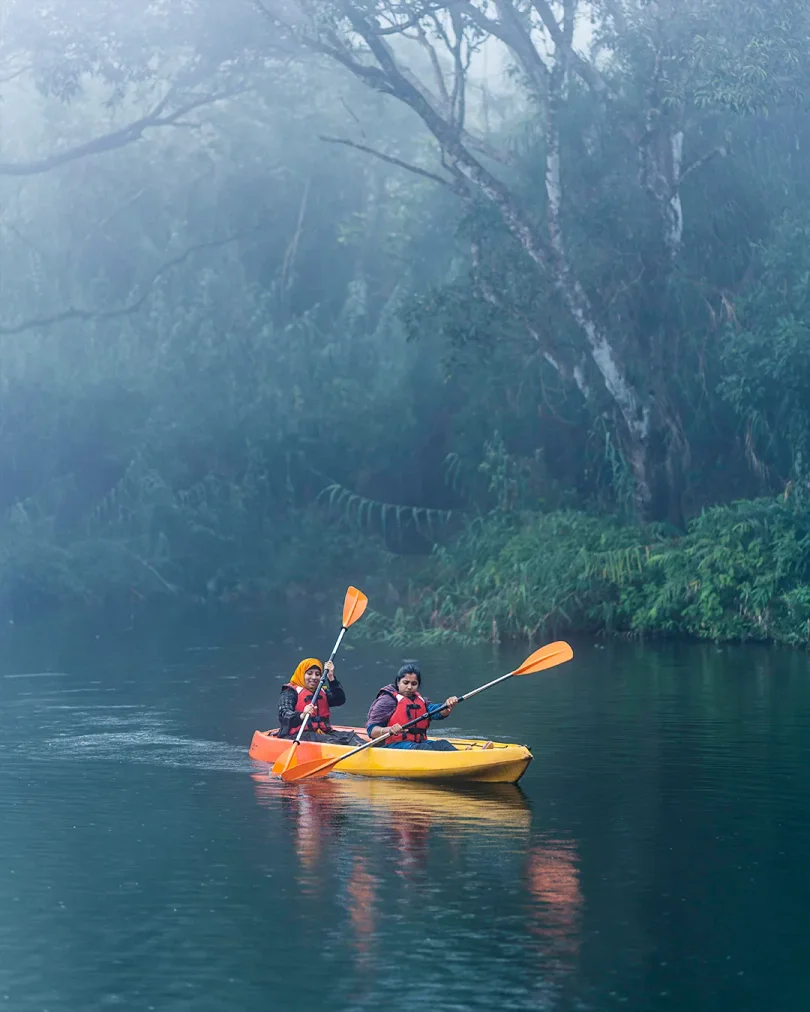
Tucked deep in the Western Ghats of Kerala, Idukki is one of India's most breathtaking hill districts. The tea and spice estates, mist-covered peaks, and beautiful waterfalls make this destination a year-round favourite for nature lovers and adventure seekers alike. Whether you are a first-time visitor or a seasoned traveller, the places to visit in Idukki offer something genuinely unforgettable at every turn.

This guide covers everything from iconic landmarks and hidden gems to the best seasons to visit, practical travel tips, and a curated list of must-see attractions across the district.

What Is Idukki Famous For?

Idukki is famous for a rare combination of natural grandeur and agricultural richness. The district is home to the Idukki Arch Dam, one of the largest arch dams in Asia, set against a dramatic gorge carved by the Periyar River. Beyond engineering marvels, the region is celebrated for producing over 70 percent of India’s cardamom crop, earning it the title "Land of Spices." Its undulating hills are blanketed with cardamom, pepper, rubber, and coffee plantations that have shaped the local economy and culture for centuries.

Idukki is equally recognised for its dense forest cover. The Periyar Tiger Reserve, straddling the border with Pathanamthitta district, and the Chinnar Wildlife Sanctuary in the rain shadow zone together protect an extraordinary range of fauna, including wild elephants, gaur, tigers, and the endangered grizzled giant squirrel. The district also encompasses the Eravikulam National Park, home to the Nilgiri tahr, making Idukki one of Kerala's most biodiverse corners.

Culturally, Idukki is famous for its tribal heritage. Communities such as the Mannans, Mudugas, and Paliyans have lived in these forests for generations, and their traditions, crafts, and festivals add a rich human dimension to the landscape.

Top Places to Visit in Idukki

1. Munnar

No list of places to visit in Idukki is complete without Munnar. Sitting at roughly 1,600 metres above sea level, this hill station is synonymous with endless carpets of tea. The Tata Tea Museum in Nallathanni gives visitors a fascinating window into the history of tea cultivation in the Nilgiris. The viewpoints at Top Station offer panoramas that stretch across the Tamil Nadu border on a clear day. Munnar is also the gateway to Eravikulam National Park, where the Nilgiri tahr grazes freely on high-altitude sholas.

2. Eravikulam National Park

Spread across 97 square kilometres on the Rajamala plateau, Eravikulam National Park is a UNESCO tentative World Heritage Site. The park protects the largest viable population of the endangered Nilgiri tahr and bursts into colour every twelve years during the Neelakurinji bloom, when the hillsides turn violet-blue. The park is open from February to May, and entry is managed through a quota system to protect the ecosystem.

3. Idukki Arch Dam and Wildlife Sanctuary

The Idukki Arch Dam, constructed between two granite hills called Kuravan and Kurathi, is an engineering marvel and the centrepiece of the district. The reservoir behind it forms one of Kerala's largest man-made lakes, and the surrounding Idukki Wildlife Sanctuary supports leopards, sambar deer, and a rich birdlife. The panoramic views from the dam site at dusk are particularly striking.

4. Vagamon

Vagamon sits at the confluence of three hills, Thangal, Murugan, and Kurisumala, and is one of the quieter places to visit in Idukki for travellers seeking solitude. Its vast meadows, pine forests, and paragliding opportunities attract both adventure tourists and those simply looking to unwind. The Kurisumala Ashram, perched on one of the hills, draws pilgrims and peace-seekers from across the country.

5. Thekkady and Periyar Tiger Reserve

Thekkady is the tourism gateway to the Periyar Tiger Reserve, one of India's best-managed biosphere reserves. Boat rides on Periyar Lake offer close encounters with wild elephants bathing on the shore, and trekking routes through the core and buffer zones take visitors past spice plantations and dense bamboo groves. Bamboo rafting on the lake is a particularly immersive experience.

6. Chinnar Wildlife Sanctuary

Located in the rain shadow of the Western Ghats, Chinnar has a drier, almost savannah-like character that contrasts sharply with Munnar's misty greens. The sanctuary is the only protected area in Kerala where the grizzled giant squirrel is found. It also supports star tortoises, crocodiles, and significant populations of elephants. Tribal homestays near Chinnar offer an authentic cultural experience alongside wildlife watching.

7. Mattupetty Dam and Lake

A short drive from Munnar, Mattupetty is a popular day-trip destination centred on a scenic reservoir surrounded by tea estates. The Indo-Swiss Livestock Project dairy farm here is open to visitors and offers an insight into high-altitude cattle breeding. Boating on the lake with the Anamudi peak in the background makes for a memorable afternoon.

8. Kallarkutty and Painavu

Kallarkutty, near the Idukki headquarters at Painavu, is an offbeat destination where a small dam holds back the Thodupuzha River in a forested valley. The area is largely undeveloped and offers genuine wilderness without crowds. Painavu itself is a pleasant base town with good connectivity to the dam, sanctuary, and neighbouring Thodupuzha.

9. Ramakkalmedu

Standing at the edge of the Western Ghats near Nedumkandam, Ramakkalmedu is a high-altitude plateau known for its powerful winds, which have made it a wind energy hub. The site offers sweeping views of the Tamil Nadu plains below and is particularly dramatic during the monsoon. A large statue of Kuravan and Kurathi, the legendary couple associated with local folklore, stands as a popular landmark.

10. Anamudi Peak

At 2,695 metres, Anamudi is the highest peak in South India and sits entirely within Eravikulam National Park. Trekking to the summit is permitted only with special forest department clearance, making it a bucket-list challenge for serious trekkers. The ascent passes through rolling grasslands and shola forests, and the views from the top on a clear day are extraordinary.

Best Time to Visit Idukki

The best time to explore Idukki is between September and May. The post-monsoon months of September to November bring lush greenery and rushing waterfalls. Winter, from December to February, is cool, clear, and ideal for trekking and wildlife watching. March to May offers warm days and is the prime season for visiting Eravikulam National Park before it closes for Nilgiri tahr calving.

The southwest monsoon (June to August) brings heavy rainfall that transforms the landscape dramatically. While some roads become difficult to navigate, plantation stays and indoor activities such as spice tours remain enjoyable for those comfortable with rain.

How to Reach Idukki

  • By Air: The nearest airport is Cochin International Airport (Kochi), approximately 115 kilometres from Idukki town. From Kochi, taxis and state-run buses connect to Munnar, Thekkady, and other key destinations within the district.

  • By Rail: Ernakulam Junction (Kochi) and Kottayam are the most convenient railheads. From either station, regular buses and shared taxis head into the hills.

  • By Road: Idukki is well connected by state and national highways. The Kochi-Dhanushkodi Highway (NH 85) passes through parts of the district, and Kerala KSRTC operates reliable bus services from major cities including Kochi, Kottayam, Thrissur, and Kozhikode.

Where to Stay in Idukki

For travellers looking for a peaceful plantation stay in Idukki, Misty Mountain Experience is one of the best options in the district. The resort is located in Kuttikkanam near Peermade, a scenic hill region in central Idukki known for its tea estates, spice plantations, cool climate, and forest-covered hills. Its location places guests within comfortable driving distance of major attractions such as Thekkady, Vagamon, the Idukki Dam region, and several waterfalls and viewpoints across the district.

Set across a large plantation landscape, the resort is surrounded by tea gardens, hills, and walking trails, giving guests a quieter and more relaxed alternative to crowded tourist centres. One of the biggest advantages of staying at is the balance between comfort and nature. Guests can enjoy spacious rooms, valley views, plantation walks, and open green spaces while still having modern facilities and easy road access.

The property is also known for its plantation and tea experiences. Visitors can learn about the history of tea cultivation in the region, explore estate trails, and enjoy locally sourced tea from their own plantation. Families, couples, and nature lovers often choose the resort because of its calm atmosphere and scenic surroundings.

Essential Travel Tips for Idukki

  • Carry light woolens even in summer, as evenings at high altitude can be cool.

  • Book forest entry and trekking permits for Eravikulam National Park well in advance, especially between February and April.

  • Hire a local guide for wildlife sanctuaries. Their knowledge of animal behaviour and forest trails significantly enhances the experience.

  • Respect plantation boundaries and ask permission before entering private estates.

  • Use biodegradable products during your stay; the region's water bodies and forests are ecologically sensitive.

  • Road conditions in the ghats can change quickly during rain. Check weather updates before long drives.

  • Carry sufficient cash, as ATMs in remote areas can be scarce.

Plan Your Stay at Misty Mountain Experience

Idukki rewards every kind of traveller, from those who want to lose themselves in forest trails to those seeking the quiet comfort of a plantation sunrise. The sheer variety of places to visit in Idukki ensures that no two trips to this district are ever the same.

If you are looking for a stay that puts you at the heart of it all, Misty Mountain Experience offers a perfect base. Nestled within a working plantation in the Idukki hills, the resort combines warm hospitality with direct access to the natural beauty that defines this region. Wake up to mist rolling over the valley, explore spice gardens at your doorstep, and let the sounds of the Western Ghats set the pace for your days.

Book your stay at Misty Mountain Experience and experience Idukki the way it was meant to be discovered.

Frequently Asked Questions

Q1. What is Idukki famous for?

Idukki is famous for its spice and tea plantations, the Idukki Arch Dam, Eravikulam National Park, and the Periyar Tiger Reserve. It is also known for being the largest cardamom-producing district in India and for its rich tribal cultural heritage.

Q2. Which are the best places to visit in Idukki?

The top places to visit in Idukki include Munnar, Eravikulam National Park, Thekkady, Vagamon, the Idukki Arch Dam, Chinnar Wildlife Sanctuary, Mattupetty, Ramakkalmedu, and Anamudi Peak.

Q3. When is the best time to visit Idukki?

September to May is generally the best period to visit. October to February offers cool, pleasant weather ideal for outdoor activities. March to May is the season for visiting Eravikulam National Park.

Q4. Is Idukki safe for solo travellers?

Yes, Idukki is considered safe for solo travellers, including solo women. Tourist areas are well managed, and locals are generally welcoming. Standard travel precautions apply, especially on remote forest trails.

Q5. How many days are enough to explore Idukki?

A minimum of four to five days is recommended to cover the major attractions comfortably. A week allows for a more relaxed pace and the opportunity to explore lesser-known spots such as Chinnar, Ramakkalmedu, and Vagamon.

Q6. What is the nearest airport to Idukki?

Cochin International Airport (Kochi) is the nearest major airport, approximately 115 kilometres from Idukki town. Smaller regional airports at Madurai (Tamil Nadu) are also accessible for certain parts of the district.

Q7. Are plantation resorts in Idukki worth staying at?

Absolutely. Plantation resorts offer a uniquely immersive experience, with guided estate walks, fresh local cuisine, and direct access to nature. They are an excellent choice for travellers who want more than a standard hotel stay.