Kerala is one of those rare destinations that refuses to be reduced to a single season. Stretching along a narrow strip of southwestern India, this lush state is flanked by the Western Ghats on the east and the Arabian Sea on the west, creating a landscape of breathtaking contrasts.
There are hill stations, backwaters, beaches, and ancient monuments, all packed into one destination. But here is the honest truth that most travel guides skim over: the best time to visit Kerala depends entirely on what kind of experience you are chasing. This guide breaks it all down, season by season, so you can plan a trip that fits your priorities.
Understanding Kerala's Climate Zones
Before diving into months and seasons, it helps to understand that Kerala has two distinct monsoon patterns. The southwest monsoon, arrives in June and brings heavy, prolonged rainfall. The northeast monsoon, follows in October and November and is gentler by comparison.
The state also has a prominent dry season running from December to May, which is the most popular travel window for tourists visiting from overseas. However, the hill regions and the coast experience these climate patterns quite differently, which is why your destination within Kerala matters as much as the month you choose.
The Peak Season: December to February
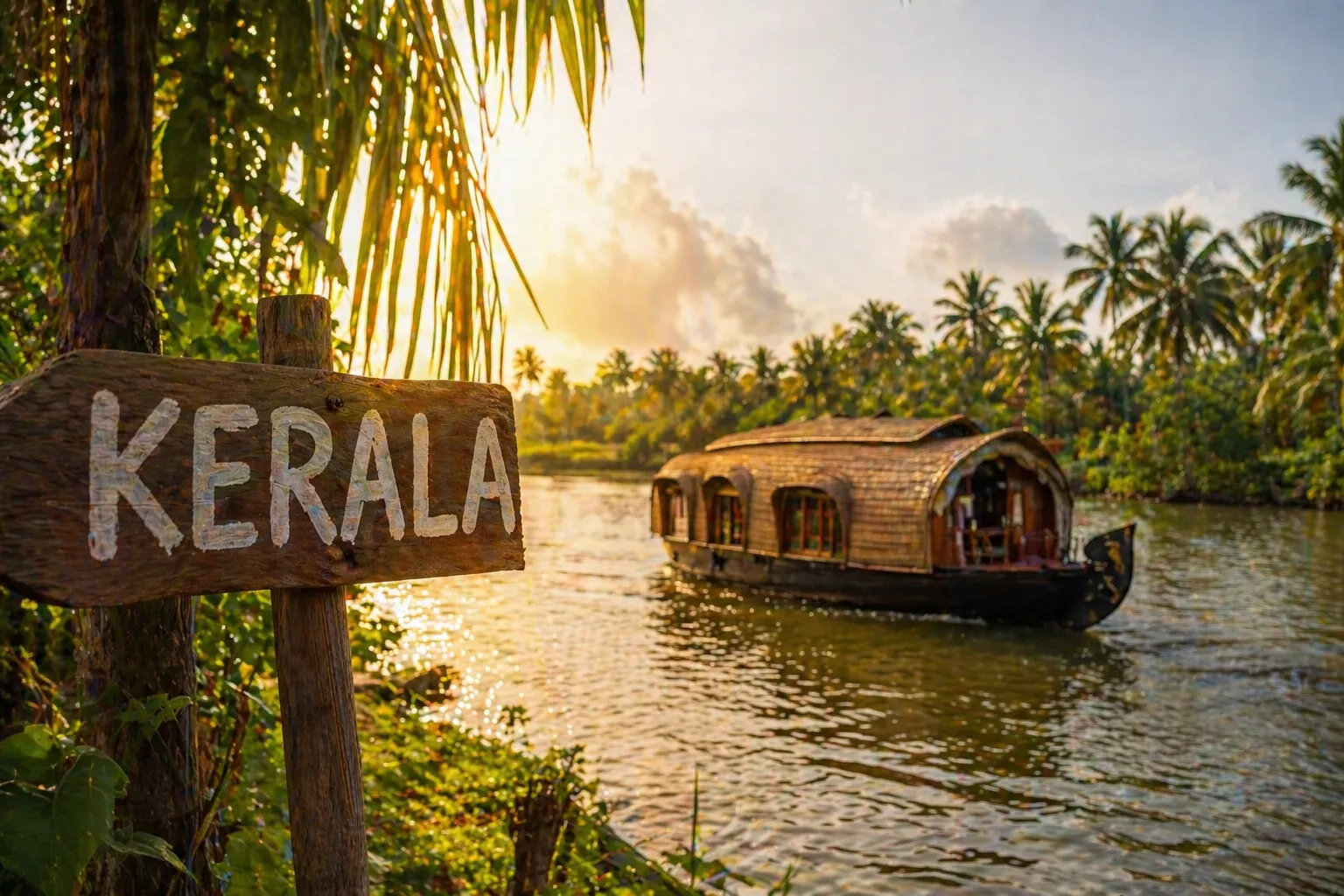
For most travellers, December through February is the golden window to visit Kerala. The temperatures are mild and comfortable, typically ranging between 23 and 32 degrees Celsius in the lowland areas. The skies are generally clear, the backwaters of Alleppey are at their serene best, and the beaches of Varkala and Kovalam are warm without being punishing. This is also the season when several of Kerala's famous festivals take place, including the grand Thrissur Pooram procession and the boat races in the backwaters of Alleppy.
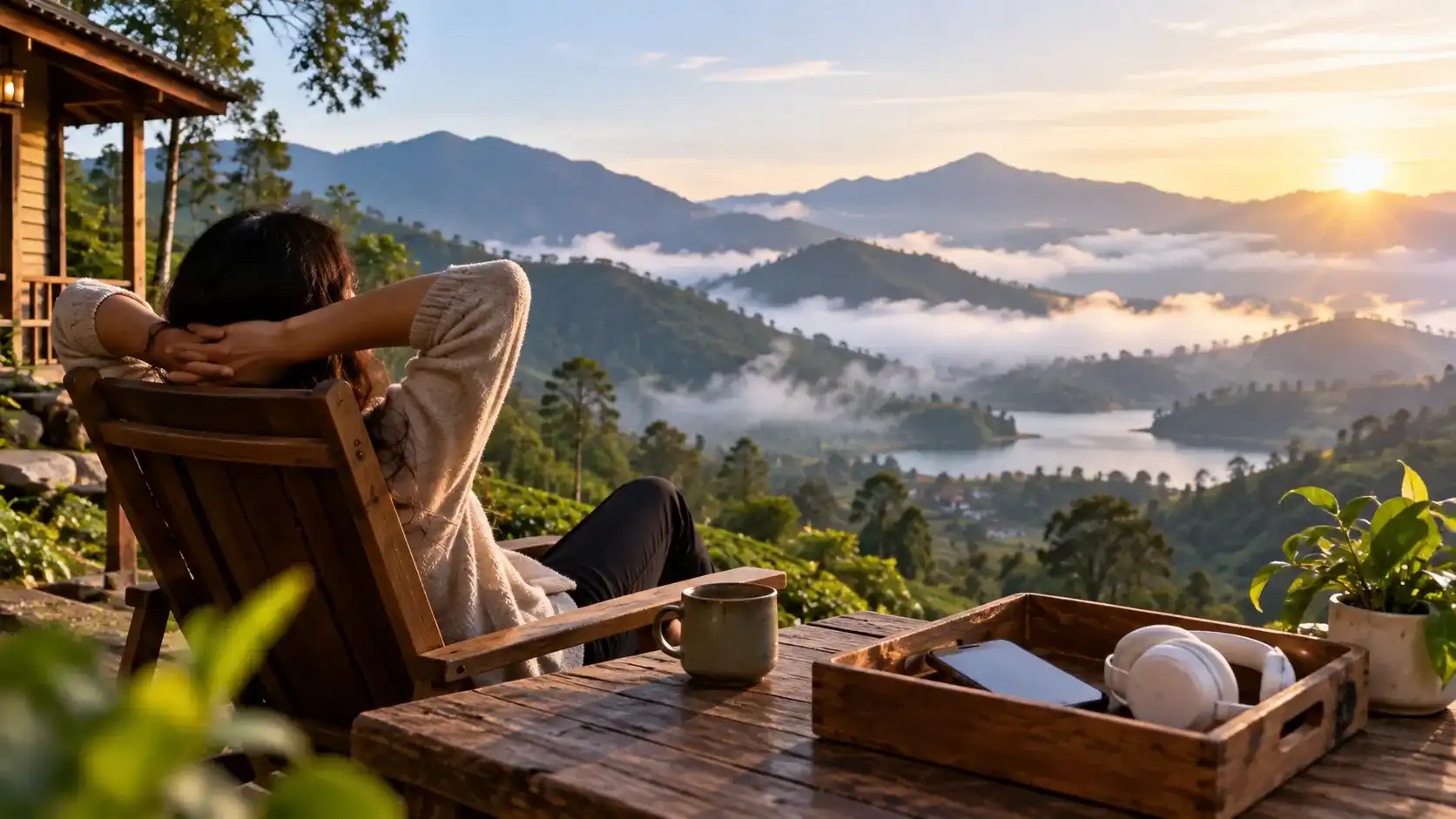
For hill station enthusiasts, this period is particularly magical. At higher elevations like Munnar, Wayanad, and Vagamon, mornings are wrapped in a cool, dense mist that gives the landscape an almost dreamlike quality. One destination that delivers this misty mountain experience in its most authentic form is Kuttikkanam, a quiet hill town in the Idukki district situated at around 1,000 metres above sea level.
The cool December and January mornings there, when the mist rolls in thick over the cardamom estates and rubber plantations, make for an atmosphere that is both tranquil and unforgettable. If you are the kind of traveller who prefers peaceful scenery over crowded destinations, Kuttikkanam in the peak season is a genuine discovery.
The one caveat with the peak season is cost. Hotels and houseboats charge premium rates, and popular spots like Alleppey and Munnar can feel crowded around Christmas and New Year. Booking well in advance is essential.
The Shoulder Season: March to May
March to May is Kerala's pre-monsoon stretch, and it is often underestimated by travellers. The temperatures climb noticeably, especially in the coastal and central lowland areas, where April and May can bring the mercury close to 38 degrees Celsius.
However, the hills remain pleasantly cooler, making this an excellent season specifically for high-altitude destinations. Munnar, Ponmudi, and Thekkady are all rewarding during these months when the crowds have thinned out and accommodation prices have softened.
The summer heat also means that Ayurvedic retreat centres are at their most recommended capacity during this time, as the season between Vishu and the onset of monsoon is considered ideal in traditional medicine for certain therapies.
The Monsoon Season: June to September
The monsoon divides opinion sharply. For many, the idea of travelling to a rain-soaked destination sounds impractical. But Kerala's monsoon is genuinely spectacular if you go in with the right mindset. From June onwards, the landscape transforms into an extraordinarily vivid shade of green. Waterfalls that barely register during the dry months burst into thundering cascades. The forests smell alive. Tea estates and spice plantations look their most lush and photogenic.
Ayurvedic practitioners across Kerala regard the monsoon, specifically the Karkidakam month in the Malayalam calendar (roughly July to August), as the most effective time for Panchakarma and rejuvenation therapies. The cool, humid air opens the pores and makes the body more receptive to herbal treatments. Many high-end wellness retreats accordingly offer their best packages during this window.
That said, the monsoon does bring challenges. Houseboat trips on the backwaters become rougher and less scenic. Road travel to hill stations can be disrupted by landslides. Certain wildlife sanctuaries close for the season. If you visit during the monsoon, plan with flexibility and keep a close eye on weather alerts, particularly if you are heading into the Western Ghats.
The Post-Monsoon Window: October to November
October and November represent an increasingly popular travel window that sits between the monsoon and peak season. The landscape is still lush and richly green from the rains, but the skies begin to clear progressively. Prices are lower than peak season, the crowds have not yet arrived in full force, and the rivers and waterfalls are still impressive from the residual monsoon flow. The Onam festival, usually celebrated in August or September, can spill its cultural energy into early October in some regions, giving travellers a taste of Kerala's harvest celebration.
The northeast monsoon does bring intermittent showers, particularly along the northern coast and in the Malabar region, but they are far lighter than the southwest monsoon. For travellers who want value, a less crowded experience, and a Kerala that still looks vibrantly alive, October to mid-November is an excellent strategic choice.
Month-by-Month Quick Reference
January: Ideal. Cool, dry, and clear across the state.
February: Excellent. Slightly warming but still very comfortable.
March: Good for hills and cultural travel, warming on the coast.
April: Hot in lowlands, excellent for Ayurveda and hill retreats.
May: Very hot at sea level, best for high-altitude destinations only.
June to September: Southwest monsoon. Best for Ayurveda and scenic beauty. Not recommended for general sightseeing.
October to November: Post-monsoon shoulder. Lush, uncrowded, and affordable.
December: Peak season begins. Excellent all around but book early.
So, When Should You Go?
If you want the classic Kerala experience with blue skies, calm backwaters, and comfortable sightseeing, travel between December and February. If you prefer quieter travel with the landscape at its most luminous green, October and November offer great value. If wellness and Ayurveda are your primary goal, plan your visit around the monsoon months of June through August.
And if you are drawn to the idea of waking up in the hills, wrapped in cool morning mist with nothing but the sound of birdsong and the distant rustling of cardamom leaves, then a stay at Kuttikkanam should be on your itinerary regardless of the season you choose.
For those looking to fully immerse themselves in this serene setting, a stay at Misty Mountain Experience elevates the trip. With its expansive 600-acre plantation landscape, panoramic mountain views, and peaceful walking trails through tea, spice, and forest ecosystems. Guests can enjoy nature-based activities like plantation walks, birdwatching, and cycling, while staying in charming cottages and rooms designed to blend comfort with the surrounding wilderness.
Plan Your Kerala Escape Today
Ready to experience Kerala at its most breathtaking? Whether you are dreaming of the backwaters of Alleppey, the mist-covered estates of Kuttikkanam, or a rejuvenating Ayurvedic retreat, planning ahead makes all the difference.
Book your stay at Misty Mountain Experience and get to know Kuttikkanam’s misty charm at its finest, while we help you craft the perfect Kerala itinerary tailored to your travel style.
People Also Search:
Best Resort in Kuttikkanam, Kuttikkanam Resorts, Peermade Resorts, Misty Mountain Resort

Kerala is one of those rare destinations that refuses to be reduced to a single season. Stretching along a narrow strip of southwestern India, this lush state is flanked by the Western Ghats on the east and the Arabian Sea on the west, creating a landscape of breathtaking contrasts.
There are hill stations, backwaters, beaches, and ancient monuments, all packed into one destination. But here is the honest truth that most travel guides skim over: the best time to visit Kerala depends entirely on what kind of experience you are chasing. This guide breaks it all down, season by season, so you can plan a trip that fits your priorities.
Understanding Kerala's Climate Zones
Before diving into months and seasons, it helps to understand that Kerala has two distinct monsoon patterns. The southwest monsoon, arrives in June and brings heavy, prolonged rainfall. The northeast monsoon, follows in October and November and is gentler by comparison.
The state also has a prominent dry season running from December to May, which is the most popular travel window for tourists visiting from overseas. However, the hill regions and the coast experience these climate patterns quite differently, which is why your destination within Kerala matters as much as the month you choose.
The Peak Season: December to February
For most travellers, December through February is the golden window to visit Kerala. The temperatures are mild and comfortable, typically ranging between 23 and 32 degrees Celsius in the lowland areas. The skies are generally clear, the backwaters of Alleppey are at their serene best, and the beaches of Varkala and Kovalam are warm without being punishing. This is also the season when several of Kerala's famous festivals take place, including the grand Thrissur Pooram procession and the boat races in the backwaters of Alleppy.
For hill station enthusiasts, this period is particularly magical. At higher elevations like Munnar, Wayanad, and Vagamon, mornings are wrapped in a cool, dense mist that gives the landscape an almost dreamlike quality. One destination that delivers this misty mountain experience in its most authentic form is Kuttikkanam, a quiet hill town in the Idukki district situated at around 1,000 metres above sea level.
The cool December and January mornings there, when the mist rolls in thick over the cardamom estates and rubber plantations, make for an atmosphere that is both tranquil and unforgettable. If you are the kind of traveller who prefers peaceful scenery over crowded destinations, Kuttikkanam in the peak season is a genuine discovery.
The one caveat with the peak season is cost. Hotels and houseboats charge premium rates, and popular spots like Alleppey and Munnar can feel crowded around Christmas and New Year. Booking well in advance is essential.
The Shoulder Season: March to May
March to May is Kerala's pre-monsoon stretch, and it is often underestimated by travellers. The temperatures climb noticeably, especially in the coastal and central lowland areas, where April and May can bring the mercury close to 38 degrees Celsius.
However, the hills remain pleasantly cooler, making this an excellent season specifically for high-altitude destinations. Munnar, Ponmudi, and Thekkady are all rewarding during these months when the crowds have thinned out and accommodation prices have softened.
The summer heat also means that Ayurvedic retreat centres are at their most recommended capacity during this time, as the season between Vishu and the onset of monsoon is considered ideal in traditional medicine for certain therapies.
The Monsoon Season: June to September
The monsoon divides opinion sharply. For many, the idea of travelling to a rain-soaked destination sounds impractical. But Kerala's monsoon is genuinely spectacular if you go in with the right mindset. From June onwards, the landscape transforms into an extraordinarily vivid shade of green. Waterfalls that barely register during the dry months burst into thundering cascades. The forests smell alive. Tea estates and spice plantations look their most lush and photogenic.
Ayurvedic practitioners across Kerala regard the monsoon, specifically the Karkidakam month in the Malayalam calendar (roughly July to August), as the most effective time for Panchakarma and rejuvenation therapies. The cool, humid air opens the pores and makes the body more receptive to herbal treatments. Many high-end wellness retreats accordingly offer their best packages during this window.
That said, the monsoon does bring challenges. Houseboat trips on the backwaters become rougher and less scenic. Road travel to hill stations can be disrupted by landslides. Certain wildlife sanctuaries close for the season. If you visit during the monsoon, plan with flexibility and keep a close eye on weather alerts, particularly if you are heading into the Western Ghats.
The Post-Monsoon Window: October to November
October and November represent an increasingly popular travel window that sits between the monsoon and peak season. The landscape is still lush and richly green from the rains, but the skies begin to clear progressively. Prices are lower than peak season, the crowds have not yet arrived in full force, and the rivers and waterfalls are still impressive from the residual monsoon flow. The Onam festival, usually celebrated in August or September, can spill its cultural energy into early October in some regions, giving travellers a taste of Kerala's harvest celebration.
The northeast monsoon does bring intermittent showers, particularly along the northern coast and in the Malabar region, but they are far lighter than the southwest monsoon. For travellers who want value, a less crowded experience, and a Kerala that still looks vibrantly alive, October to mid-November is an excellent strategic choice.
Month-by-Month Quick Reference
January: Ideal. Cool, dry, and clear across the state.
February: Excellent. Slightly warming but still very comfortable.
March: Good for hills and cultural travel, warming on the coast.
April: Hot in lowlands, excellent for Ayurveda and hill retreats.
May: Very hot at sea level, best for high-altitude destinations only.
June to September: Southwest monsoon. Best for Ayurveda and scenic beauty. Not recommended for general sightseeing.
October to November: Post-monsoon shoulder. Lush, uncrowded, and affordable.
December: Peak season begins. Excellent all around but book early.
So, When Should You Go?
If you want the classic Kerala experience with blue skies, calm backwaters, and comfortable sightseeing, travel between December and February. If you prefer quieter travel with the landscape at its most luminous green, October and November offer great value. If wellness and Ayurveda are your primary goal, plan your visit around the monsoon months of June through August.
And if you are drawn to the idea of waking up in the hills, wrapped in cool morning mist with nothing but the sound of birdsong and the distant rustling of cardamom leaves, then a stay at Kuttikkanam should be on your itinerary regardless of the season you choose.
For those looking to fully immerse themselves in this serene setting, a stay at Misty Mountain Experience elevates the trip. With its expansive 600-acre plantation landscape, panoramic mountain views, and peaceful walking trails through tea, spice, and forest ecosystems. Guests can enjoy nature-based activities like plantation walks, birdwatching, and cycling, while staying in charming cottages and rooms designed to blend comfort with the surrounding wilderness.
Plan Your Kerala Escape Today
Ready to experience Kerala at its most breathtaking? Whether you are dreaming of the backwaters of Alleppey, the mist-covered estates of Kuttikkanam, or a rejuvenating Ayurvedic retreat, planning ahead makes all the difference.
Book your stay at Misty Mountain Experience and get to know Kuttikkanam’s misty charm at its finest, while we help you craft the perfect Kerala itinerary tailored to your travel style.
People Also Search:
Best Resort in Kuttikkanam, Kuttikkanam Resorts, Peermade Resorts, Misty Mountain Resort

FAQs
Author
Team Misty Trails
Date
Share