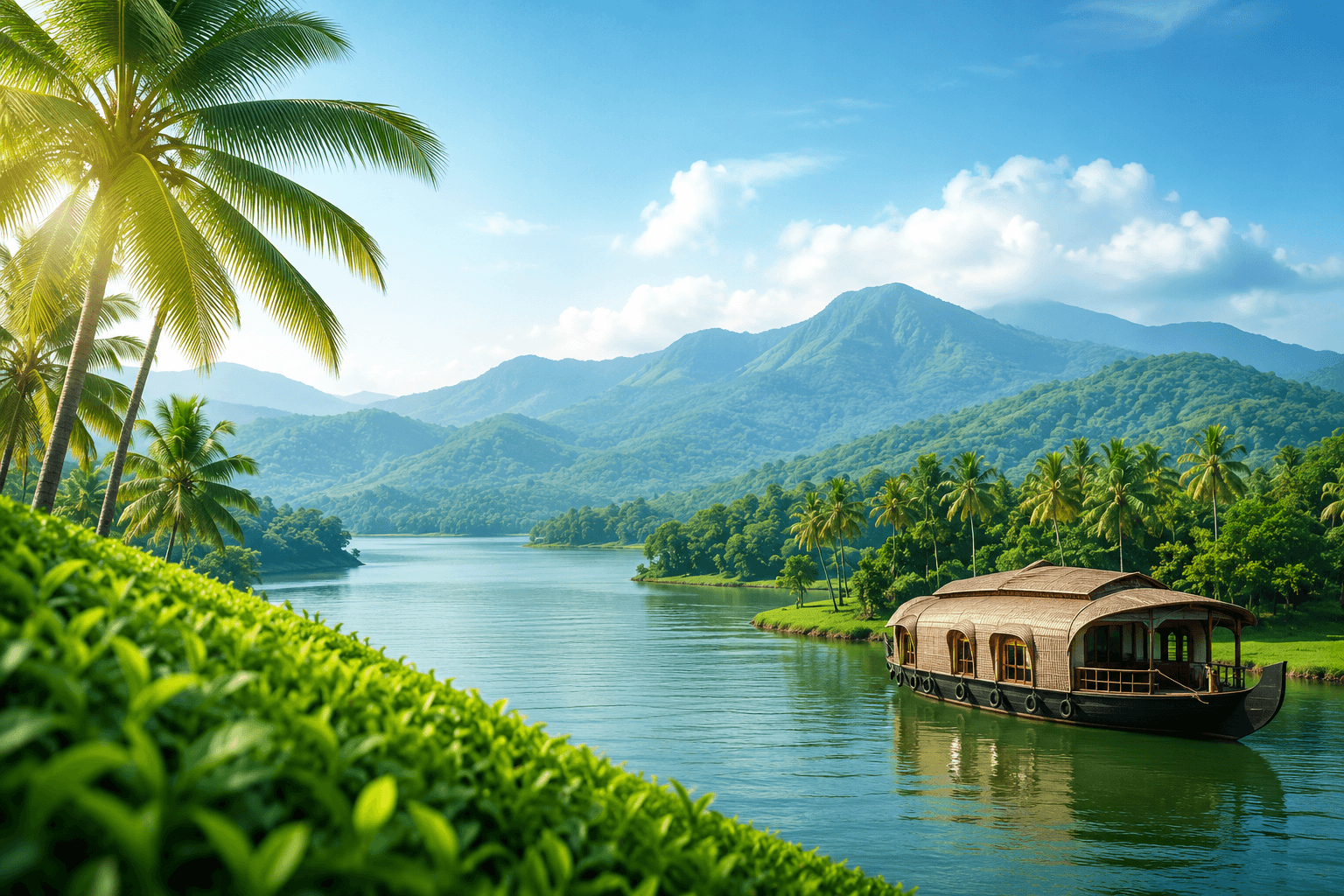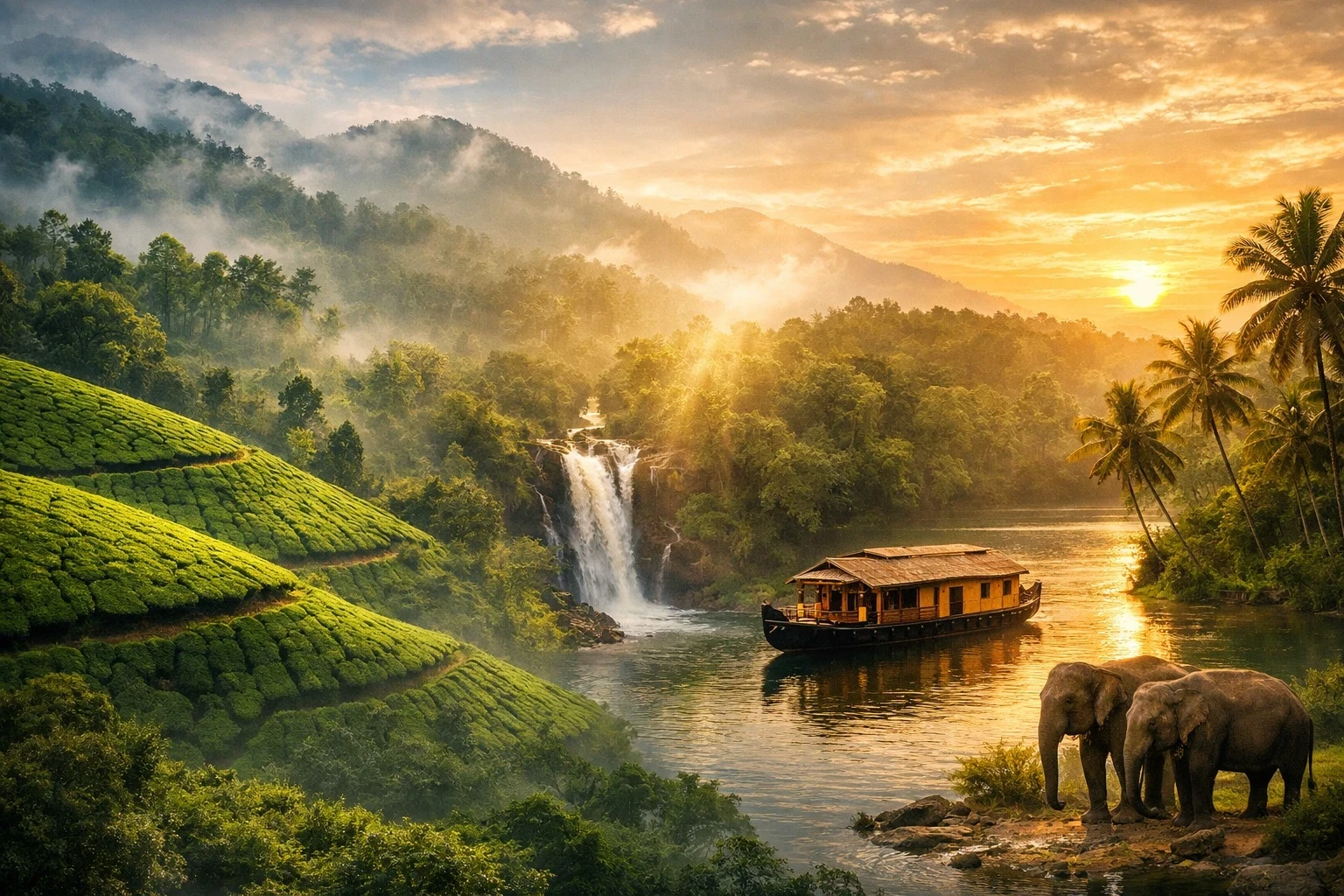
Kerala is one of India’s most naturally rich and environmentally diverse states, known for its Western Ghats, dense forests, misty hill stations, and backwater ecosystems. In recent years, Kerala forest eco tourism has become a major travel trend as more people choose responsible, sustainable, and experience-driven travel over conventional tourism.
Eco tourism in Kerala is built on the idea of conserving nature while allowing visitors to experience it in its purest form. From plantation stays and wildlife sanctuaries to river ecosystems and hill stations, Kerala offers some of the most beautiful eco tourism destinations in India.
This guide covers the best eco tourism destinations in Kerala, starting with one of the most scenic plantation regions in the state.
1. Kuttikkanam
Kuttikkanam in Idukki district is one of Kerala’s most peaceful and naturally rich eco tourism destinations. Surrounded by tea plantations, cardamom estates, misty valleys, and evergreen forests, it is the perfect destination for eco tourism.
The region offers cool weather throughout the year, making it ideal for slow travel, plantation walks, and eco stays. The landscape is a mix of cultivated plantations and natural forest patches, creating a unique ecological balance.
One of the most notable stays here is the Misty Mountain Experience, located inside a large plantation estate surrounded by greenery and mountain views. It offers nature-based stays, plantation walks, and peaceful environments ideal for eco travelers.
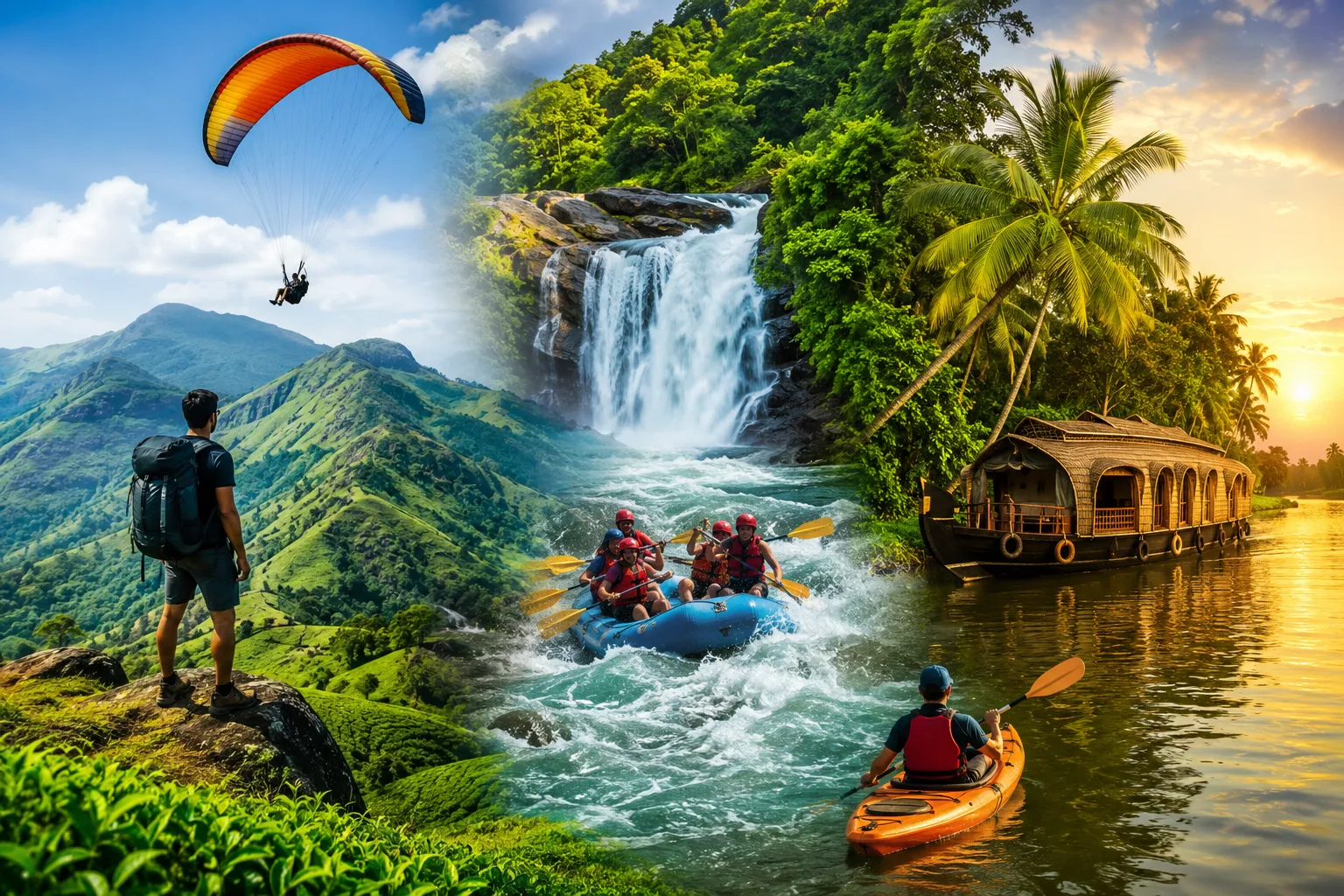
Activities offered at Misty Mountain Experience:
Guided tea plantation walks.
Jeep safari exploring natural terrain
Orthodox tea factory tour showing traditional tea processing methods
Cycling through plantation trails
Fishing experiences
Bird watching sessions to observe native and migratory species closely
Nature trekking routes across forest edges and plantation landscapes
Kayaking activities in calm waters
Campfire evenings under clear mountain night skies
Barbecue night experiences in open natural surroundings
These experiences are designed to encourage slow travel, nature awareness, and sustainable tourism practices while allowing guests to disconnect from urban life and reconnect with natural ecosystems.
Key highlights of Kuttikkanam
Surrounded by lush tea and cardamom plantations across hills
Offers cool misty climate suitable for year round visits
Provides immersive plantation based eco stay experiences
Located near forest ecosystems of the Western Ghats region
Ideal destination for slow travel and nature photography lovers
Why Kuttikkanam is special
Combines agricultural plantation systems with natural forests
Offers low crowd, peaceful, and undisturbed travel environment
Provides authentic rural mountain lifestyle experiences
Excellent biodiversity and scenic viewpoints across hills
2. Thenmala
Thenmala in Kollam is India’s first planned eco tourism project and a model for sustainable tourism development. It is designed to promote environmental awareness, conservation, and community involvement.
The destination is divided into eco zones, adventure zones, and cultural zones, making it one of the most structured eco tourism locations in India.
Key attractions in Thenmala
Eco friendly boating through forest surrounded reservoirs
Adventure activities like trekking and rope bridge walks
Butterfly garden with native species conservation focus
Sculptural park blending art and environmental education
Forest trails designed for guided eco learning experiences
Why Thenmala is important
India’s first structured eco tourism development project
Strong focus on forest conservation and sustainability education
Community driven tourism supporting local employment
Balanced tourism without damaging natural ecosystems
3. Wayanad
Wayanad is one of Kerala’s richest ecological regions and part of the Nilgiri Biosphere Reserve. It is known for forests, wildlife, waterfalls, caves, and tribal communities.
It plays a major role in eco tourism due to its combination of wildlife conservation and cultural heritage tourism.
Key eco tourism experiences in Wayanad
Trekking to Chembra Peak heart shaped lake viewpoint
Wildlife safaris in Wayanad Wildlife Sanctuary forests
Exploring Edakkal Caves with prehistoric rock carvings
Bamboo rafting through calm forest river stretches
Spice plantation visits showcasing sustainable farming systems
Why Wayanad stands out
Rich biodiversity with rare flora and fauna species
Strong tribal tourism and cultural immersion opportunities
Combination of adventure, history, and ecology
Sustainable homestays supporting local communities
4. Thekkady
Thekkady is home to the Periyar Wildlife Sanctuary, one of India’s most important protected forest regions. It is a major center for wildlife based eco tourism in Kerala.
The ecosystem includes evergreen forests, grasslands, and lake systems supporting elephants, tigers, and birds.
Key eco tourism experiences
Boat safaris on Periyar Lake for wildlife observation
Guided jungle walks with trained forest guides
Bamboo rafting through protected forest areas
Spice plantation tours and agricultural learning
Bird watching tours with expert naturalists
Importance of Thekkady
Strong wildlife conservation and protection programs
Controlled tourism ensuring minimal environmental impact
Community participation through tribal tourism programs
One of India’s best managed forest eco tourism zones
5. Ponmudi
Ponmudi is a quiet hill station near Thiruvananthapuram, known for its winding roads, tea estates, and misty viewpoints.
It is ideal for short eco tourism trips and weekend nature escapes.
Key features of Ponmudi
Scenic mountain drive through Western Ghats forests
Tea plantation walks with panoramic viewpoints
Butterfly parks with native biodiversity species
Short trekking trails suitable for beginners
Cool climate perfect for relaxing nature breaks
6. Gavi
Gavi is one of the most untouched eco tourism destinations in Kerala, located near the Periyar Tiger Reserve buffer zone. It is known for strict conservation practices and limited tourism access.
Key experiences in Gavi
Jungle jeep safaris through untouched forest regions
Camping inside protected wilderness zones
Bird watching with rare endemic species sightings
Lake side eco stays in natural forest surroundings
Trekking through dense biodiversity hotspots
Why Gavi is unique
Highly regulated tourism to protect forest ecosystems
Minimal human interference preserving natural habitat
High probability of wildlife sightings in natural settings
Strong conservation focused tourism model
7. Kumarakom
Kumarakom is located along Vembanad Lake and is known for its backwaters and bird sanctuary ecosystem.
It represents wetland based eco tourism in Kerala.
Key eco tourism experiences
Bird watching at Kumarakom Bird Sanctuary wetlands
Eco friendly houseboat cruises through backwaters
Canoeing through narrow village waterways
Sunset views over expansive lake ecosystems
Village life experiences with local communities
Why Kerala Forest Eco Tourism Matters Today
Kerala is globally recognized for its balanced approach to tourism and conservation. The Western Ghats region is a UNESCO biodiversity hotspot, making its protection extremely important.
Key benefits of eco tourism in Kerala
Protects endangered wildlife and natural ecosystems
Supports local and tribal community livelihoods
Promotes sustainable and responsible travel behavior
Preserves plantation and forest biodiversity systems
Your Eco Travel Experience Starts Here
If you are planning a meaningful nature getaway in Kerala, Kuttikkanam should be at the top of your list. Its misty plantations, peaceful environment, and immersive natural beauty make it one of the best eco tourism destinations in the state.
For travelers looking for a complete plantation stay experience, Misty Mountain Plantation Experience in Kuttikkanam offers a perfect blend of comfort, nature, and sustainability. Surrounded by greenery and mountain landscapes, it is ideal for anyone seeking a calm and eco-friendly retreat.
People Also Search:
Best Resort in Kuttikkanam, Kuttikkanam Resorts, Peermade Resorts, Misty Mountain Resort
Kerala is one of India’s most naturally rich and environmentally diverse states, known for its Western Ghats, dense forests, misty hill stations, and backwater ecosystems. In recent years, Kerala forest eco tourism has become a major travel trend as more people choose responsible, sustainable, and experience-driven travel over conventional tourism.
Eco tourism in Kerala is built on the idea of conserving nature while allowing visitors to experience it in its purest form. From plantation stays and wildlife sanctuaries to river ecosystems and hill stations, Kerala offers some of the most beautiful eco tourism destinations in India.
This guide covers the best eco tourism destinations in Kerala, starting with one of the most scenic plantation regions in the state.
1. Kuttikkanam
Kuttikkanam in Idukki district is one of Kerala’s most peaceful and naturally rich eco tourism destinations. Surrounded by tea plantations, cardamom estates, misty valleys, and evergreen forests, it is the perfect destination for eco tourism.
The region offers cool weather throughout the year, making it ideal for slow travel, plantation walks, and eco stays. The landscape is a mix of cultivated plantations and natural forest patches, creating a unique ecological balance.
One of the most notable stays here is the Misty Mountain Experience, located inside a large plantation estate surrounded by greenery and mountain views. It offers nature-based stays, plantation walks, and peaceful environments ideal for eco travelers.
Activities offered at Misty Mountain Experience:
Guided tea plantation walks.
Jeep safari exploring natural terrain
Orthodox tea factory tour showing traditional tea processing methods
Cycling through plantation trails
Fishing experiences
Bird watching sessions to observe native and migratory species closely
Nature trekking routes across forest edges and plantation landscapes
Kayaking activities in calm waters
Campfire evenings under clear mountain night skies
Barbecue night experiences in open natural surroundings
These experiences are designed to encourage slow travel, nature awareness, and sustainable tourism practices while allowing guests to disconnect from urban life and reconnect with natural ecosystems.
Key highlights of Kuttikkanam
Surrounded by lush tea and cardamom plantations across hills
Offers cool misty climate suitable for year round visits
Provides immersive plantation based eco stay experiences
Located near forest ecosystems of the Western Ghats region
Ideal destination for slow travel and nature photography lovers
Why Kuttikkanam is special
Combines agricultural plantation systems with natural forests
Offers low crowd, peaceful, and undisturbed travel environment
Provides authentic rural mountain lifestyle experiences
Excellent biodiversity and scenic viewpoints across hills
2. Thenmala
Thenmala in Kollam is India’s first planned eco tourism project and a model for sustainable tourism development. It is designed to promote environmental awareness, conservation, and community involvement.
The destination is divided into eco zones, adventure zones, and cultural zones, making it one of the most structured eco tourism locations in India.
Key attractions in Thenmala
Eco friendly boating through forest surrounded reservoirs
Adventure activities like trekking and rope bridge walks
Butterfly garden with native species conservation focus
Sculptural park blending art and environmental education
Forest trails designed for guided eco learning experiences
Why Thenmala is important
India’s first structured eco tourism development project
Strong focus on forest conservation and sustainability education
Community driven tourism supporting local employment
Balanced tourism without damaging natural ecosystems
3. Wayanad
Wayanad is one of Kerala’s richest ecological regions and part of the Nilgiri Biosphere Reserve. It is known for forests, wildlife, waterfalls, caves, and tribal communities.
It plays a major role in eco tourism due to its combination of wildlife conservation and cultural heritage tourism.
Key eco tourism experiences in Wayanad
Trekking to Chembra Peak heart shaped lake viewpoint
Wildlife safaris in Wayanad Wildlife Sanctuary forests
Exploring Edakkal Caves with prehistoric rock carvings
Bamboo rafting through calm forest river stretches
Spice plantation visits showcasing sustainable farming systems
Why Wayanad stands out
Rich biodiversity with rare flora and fauna species
Strong tribal tourism and cultural immersion opportunities
Combination of adventure, history, and ecology
Sustainable homestays supporting local communities
4. Thekkady
Thekkady is home to the Periyar Wildlife Sanctuary, one of India’s most important protected forest regions. It is a major center for wildlife based eco tourism in Kerala.
The ecosystem includes evergreen forests, grasslands, and lake systems supporting elephants, tigers, and birds.
Key eco tourism experiences
Boat safaris on Periyar Lake for wildlife observation
Guided jungle walks with trained forest guides
Bamboo rafting through protected forest areas
Spice plantation tours and agricultural learning
Bird watching tours with expert naturalists
Importance of Thekkady
Strong wildlife conservation and protection programs
Controlled tourism ensuring minimal environmental impact
Community participation through tribal tourism programs
One of India’s best managed forest eco tourism zones
5. Ponmudi
Ponmudi is a quiet hill station near Thiruvananthapuram, known for its winding roads, tea estates, and misty viewpoints.
It is ideal for short eco tourism trips and weekend nature escapes.
Key features of Ponmudi
Scenic mountain drive through Western Ghats forests
Tea plantation walks with panoramic viewpoints
Butterfly parks with native biodiversity species
Short trekking trails suitable for beginners
Cool climate perfect for relaxing nature breaks
6. Gavi
Gavi is one of the most untouched eco tourism destinations in Kerala, located near the Periyar Tiger Reserve buffer zone. It is known for strict conservation practices and limited tourism access.
Key experiences in Gavi
Jungle jeep safaris through untouched forest regions
Camping inside protected wilderness zones
Bird watching with rare endemic species sightings
Lake side eco stays in natural forest surroundings
Trekking through dense biodiversity hotspots
Why Gavi is unique
Highly regulated tourism to protect forest ecosystems
Minimal human interference preserving natural habitat
High probability of wildlife sightings in natural settings
Strong conservation focused tourism model
7. Kumarakom
Kumarakom is located along Vembanad Lake and is known for its backwaters and bird sanctuary ecosystem.
It represents wetland based eco tourism in Kerala.
Key eco tourism experiences
Bird watching at Kumarakom Bird Sanctuary wetlands
Eco friendly houseboat cruises through backwaters
Canoeing through narrow village waterways
Sunset views over expansive lake ecosystems
Village life experiences with local communities
Why Kerala Forest Eco Tourism Matters Today
Kerala is globally recognized for its balanced approach to tourism and conservation. The Western Ghats region is a UNESCO biodiversity hotspot, making its protection extremely important.
Key benefits of eco tourism in Kerala
Protects endangered wildlife and natural ecosystems
Supports local and tribal community livelihoods
Promotes sustainable and responsible travel behavior
Preserves plantation and forest biodiversity systems
Your Eco Travel Experience Starts Here
If you are planning a meaningful nature getaway in Kerala, Kuttikkanam should be at the top of your list. Its misty plantations, peaceful environment, and immersive natural beauty make it one of the best eco tourism destinations in the state.
For travelers looking for a complete plantation stay experience, Misty Mountain Plantation Experience in Kuttikkanam offers a perfect blend of comfort, nature, and sustainability. Surrounded by greenery and mountain landscapes, it is ideal for anyone seeking a calm and eco-friendly retreat.
People Also Search:
Best Resort in Kuttikkanam, Kuttikkanam Resorts, Peermade Resorts, Misty Mountain Resort