Kerala has been known as the “Spice Coast of India” for centuries, and a walk through one of its plantations is still one of the most rewarding experiences for anyone visiting the state. Long before modern tourism existed, traders from Rome, Arabia, China, and later Europe sailed to Kerala's coast chasing the scent of pepper, cardamom, and cinnamon.
That same landscape of misty hills and fertile red soil still grows these spices today, and visitors can now walk through the very estates that once fuelled a global trade network.
This guide covers everything you need to know before you plan a spice plantation tour in Kerala, including the best regions to visit, what to expect, the ideal season, and practical tips to make the most of your trip.
Why Kerala Is Famous for Its Spices
Kerala's unique combination of tropical humidity, heavy monsoon rainfall, and the cool elevation of the Western Ghats creates near perfect growing conditions for spices that struggle almost anywhere else in India. Cardamom needs shade and moisture, pepper needs tall trees to climb, and cinnamon and clove trees need warmth without direct harsh sun, and Kerala's hill districts provide all three conditions naturally.
This is also why the state still contributes a majority share of India's cardamom output, most of it coming from the hills around Idukki district. Historically, this abundance is what first drew foreign traders to Kerala's shores, eventually shaping the state's ports, culture, and cuisine, and it remains one of the strongest reasons travellers plan a Kerala holiday around its plantations.
Best Spice Plantation Regions to Visit
1. Thekkady and Kumily
Thekkady is widely regarded as the spice capital of Kerala and pairs naturally with a visit to the nearby Periyar Wildlife Sanctuary. Estates here grow cardamom, pepper, cinnamon, nutmeg, clove and vanilla, often within the same guided walk.
Guided tours usually run for one to two hours with a local naturalist, and many include hand pollination demonstrations for vanilla vines along with cinnamon peeling and drying shown at gardens around Kumily town. Entry fees at popular estates are budget friendly, often under a few hundred rupees.
Some of the most recommended plantations in this region include Abraham's Spice Garden, Green Park Ayurvedic & Spice Plantation, and Tropical Chocolate & Spice Plantation.
2. Munnar
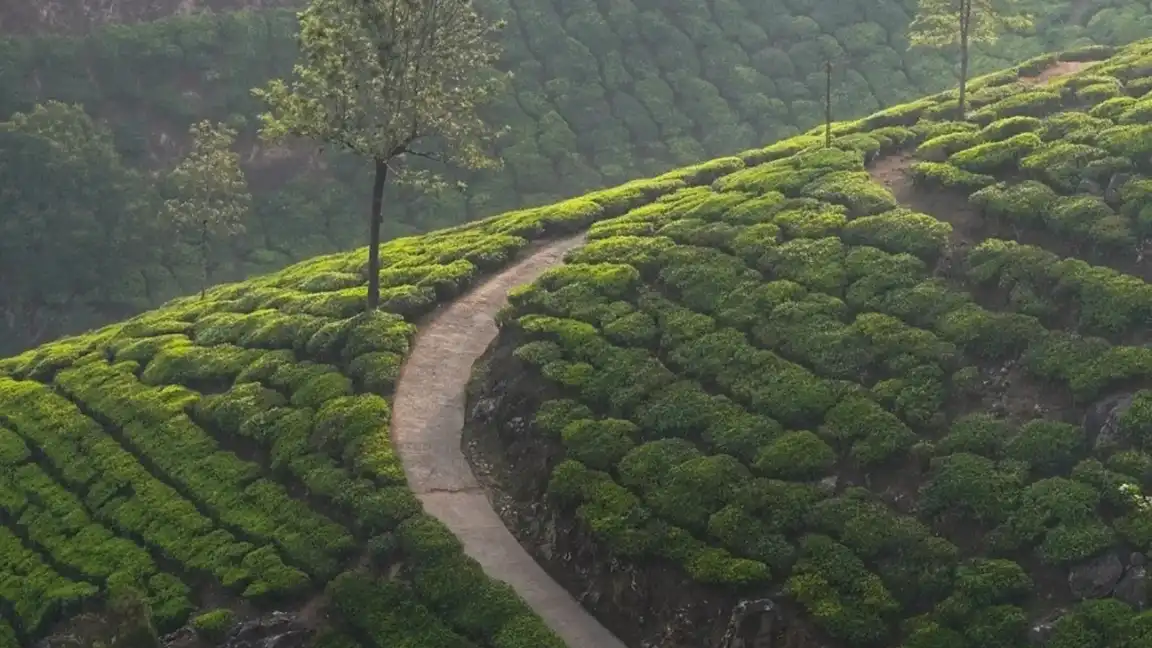
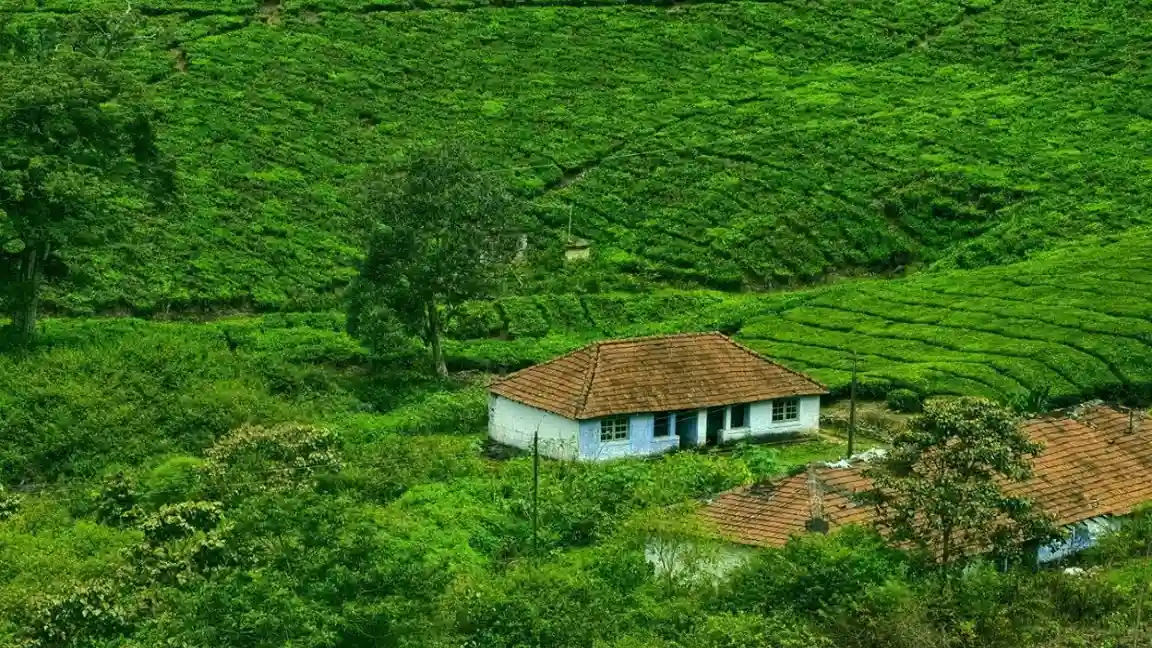
Munnar is famous for tea, but its spice gardens deserve equal attention. Tall cardamom plants grow abundantly here alongside pepper vines and nutmeg trees, and several estates combine a plantation walk with a stay amid the gardens themselves.
Because Munnar sits at a higher altitude, mornings and evenings turn pleasantly cool, and visitors get to contrast tea estate landscapes with spice cultivation in a single trip. Cooking demonstrations using fresh estate spices are common at the larger gardens here.
Popular plantations to visit include Cinnamon Gardens Spices Plantation, Kerala Farm, and Carmelagiri Spice Garden.
3. Kuttikkanam and Peermade
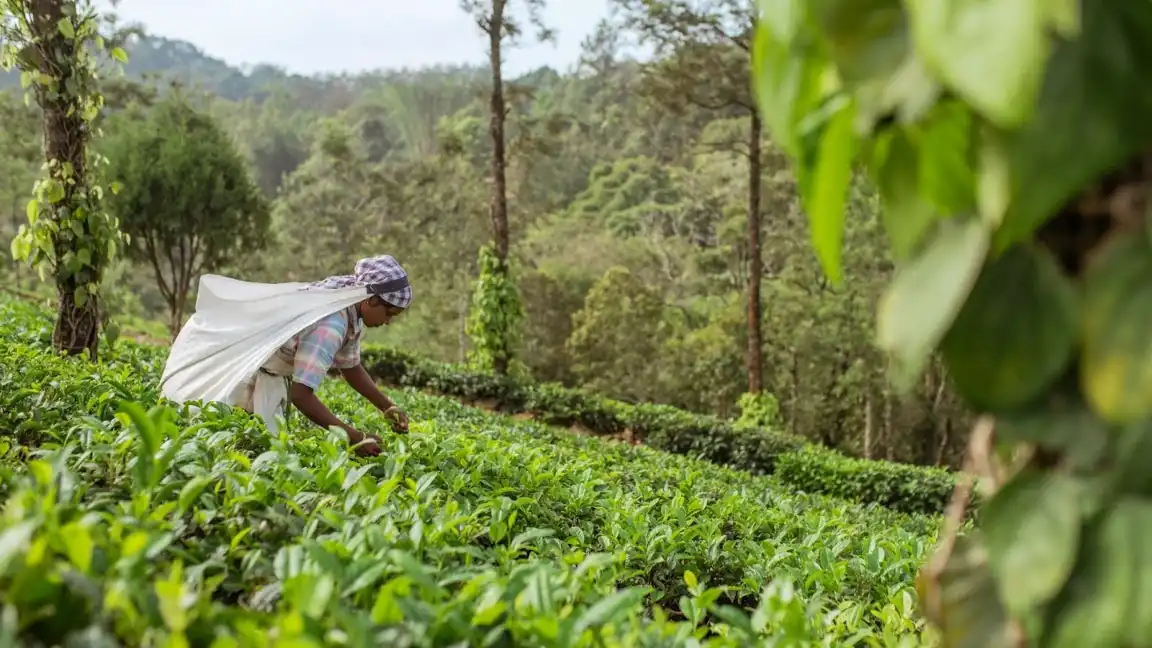
Kuttikkanam and Peermade are quieter hill towns on the way between Kottayam and Thekkady, and they hold some of the oldest cardamom and pepper estates in the region. This area was once the summer retreat of the Travancore royal family, and the plantations here are less crowded than Thekkady while still offering the same rich mix of cardamom, pepper, clove and coffee.
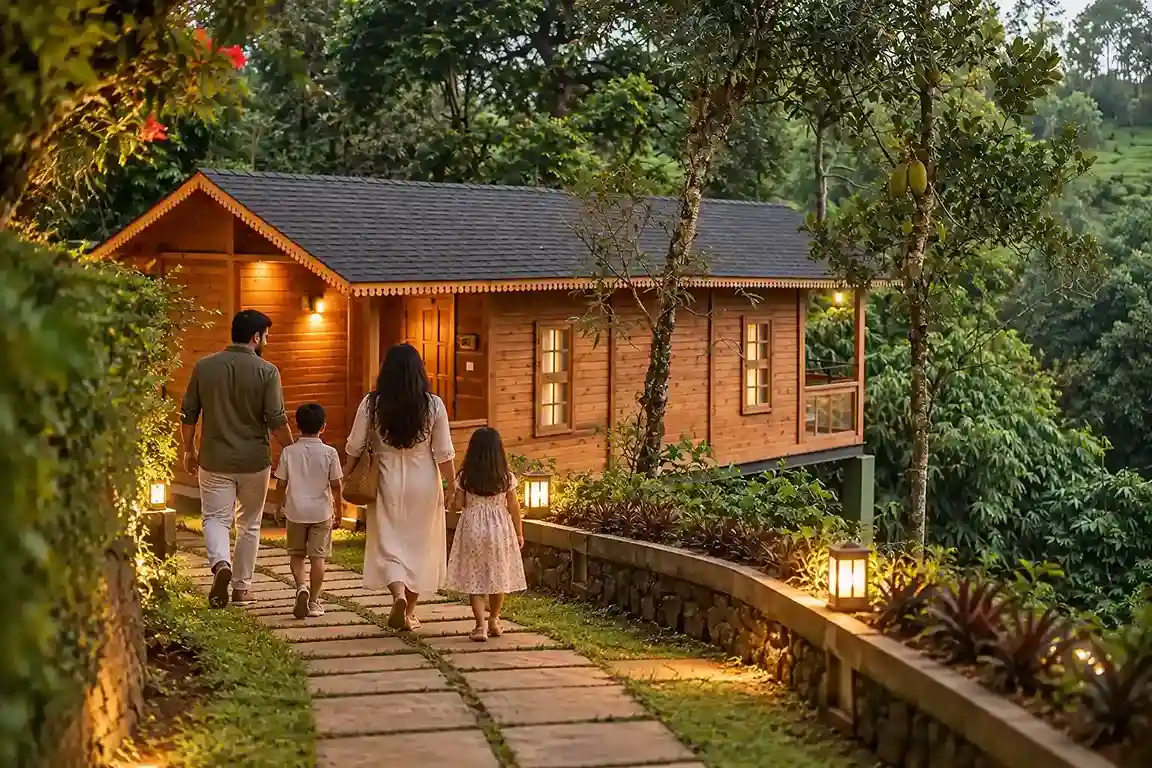
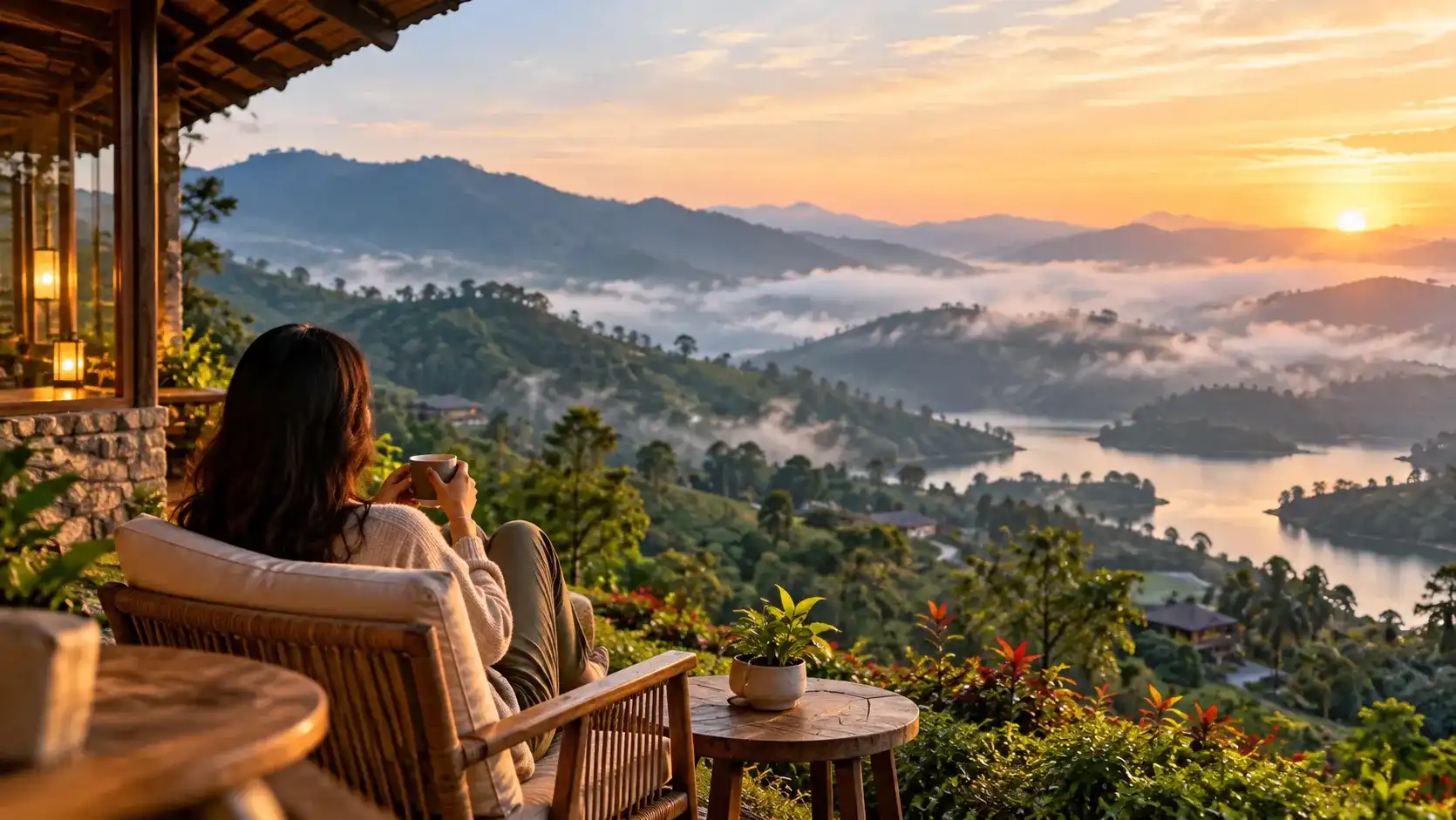
A walk through these estates, many of which are located near Kuttikkanam resorts, gives visitors a slower, more authentic sense of plantation life away from the usual tourist crowds. This is also where Misty Mountain Experience is located, letting guests base themselves right inside a working spice estate in Peermade and combine plantation walks with a comfortable stay in the same trip.
Visitors can also explore nearby attractions before or after their plantation tour. Read our guide to Top Places to Visit in Kuttikkanam & Peermade for waterfalls, viewpoints, trekking spots, and local sightseeing opportunities.
4. Wayanad
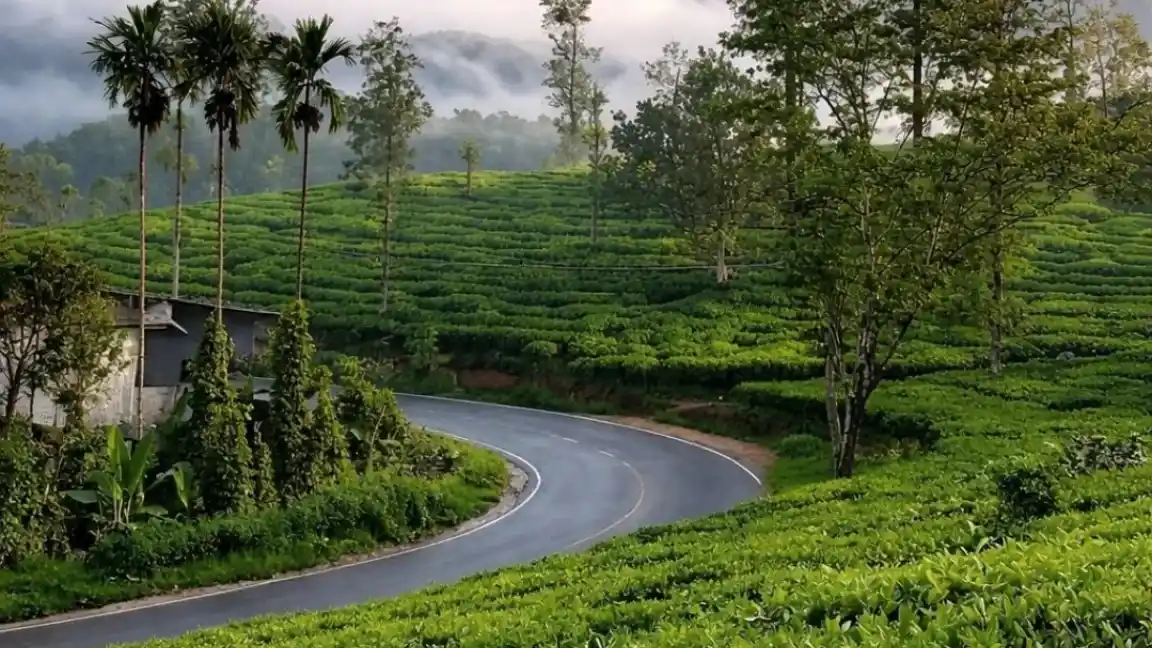
Wayanad is another of Kerala's leading spice-growing destinations, known for its sprawling pepper, cardamom, coffee, cocoa, vanilla, and nutmeg plantations spread across its forested hills. The district's cool climate and fertile soil make it ideal for plantation tourism, with many estates offering guided walks, spice tasting sessions, and farm experiences alongside scenic views of the Western Ghats.
Visitors often combine plantation tours with attractions such as Edakkal Caves, Soochipara Falls, and the Wayanad Wildlife Sanctuary. Some of the top plantations to visit include Uravu Spice Garden, Deep Roots Plantation, and M S Estates Spice Plantation.
Spices You Will See on a Plantation Tour
A well planned tour typically covers between six and eight different crops, each explained by a guide who points out the plant, its harvesting method, and its everyday use in cooking or Ayurvedic medicine. Most estates grow several of these crops together in a layered system, with tall trees providing shade for smaller shrubs and climbing vines below them.
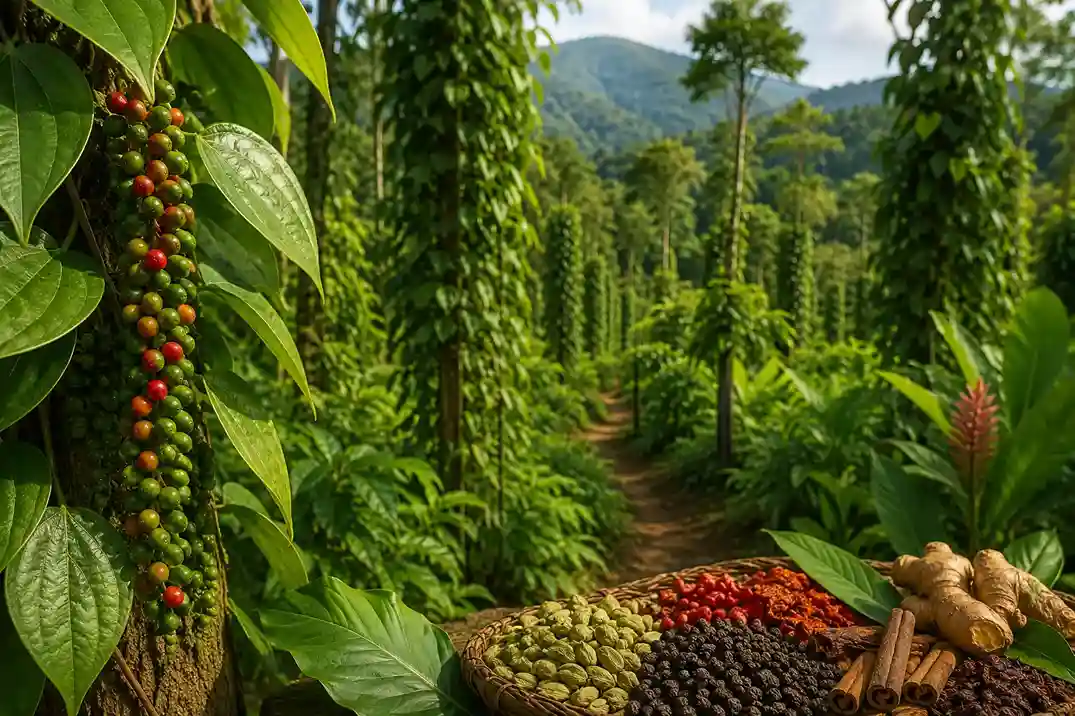
Cardamom, often called the queen of spices, grown in shaded clusters close to the forest floor across Idukki.
Black pepper, known locally as the king of spices, grown as a climbing vine along support trees.
Cinnamon, harvested by peeling and drying the inner bark of a small evergreen tree.
Cloves and nutmeg, both grown on taller trees and used widely in Kerala's traditional cuisine.
Vanilla, hand pollinated on the estate since its natural pollinators are not found in this region.
Turmeric, ginger, and vanilla often shown as smaller ground crops planted between larger trees.
What to Expect During a Guided Tour
Most plantation visits begin with a welcome drink, usually a fresh spiced tea or lime juice, followed by a guided walk that lasts anywhere from forty five minutes to about ninety minutes depending on the size of the estate. Many of these gardens are family run and have been cultivated across generations, which gives the tour a personal and unhurried feel rather than a scripted commercial experience.
Guides usually stop at each plant to explain how it grows, how it is harvested, and how it is processed before reaching a kitchen or a spice shop, and visitors are often invited to smell crushed leaves, touch the bark, or taste a freshly picked pod along the way.
Guided walking tour through the estate lasting roughly forty five minutes to ninety minutes.
Entry usually requires a small ticket fee since it covers a private and educational tour.
Opportunities to taste and smell fresh spices directly from the plant or vine.
A shop at the end of most tours selling farm fresh spices, oils, and herbal products.
Some larger estates also offer birdwatching, short treks, or nearby boating activities.
Best Time to Visit Kerala's Spice Plantations
The right season depends on what kind of experience you want. If you are pairing your visit with a stay at Misty Mountain Experience, the resort team can help you time your plantation walk around the weather for that particular week.
October to March offers cool, comfortable weather that makes shaded plantation trails easy to walk.
June to September, the monsoon months, bring greener surroundings and noticeably stronger natural aromas.
April and May are warmer, so early morning tours are recommended to avoid midday heat.
How to Reach Kerala's Spice Plantations
Cochin International Airport is the most common gateway for travellers heading into the spice growing hills, and most plantation regions sit roughly one hundred to one hundred fifty kilometres away depending on the exact route chosen.
Thekkady and Munnar are both reachable by road from Kochi or Kottayam, and many visitors combine both destinations into a single loop that also takes in the Periyar backwaters and the tea estates further north.
Wayanad is best reached via Kozhikode International Airport or Kannur International Airport, with well-connected road routes from both cities.
Hiring a local driver familiar with the hill roads is generally worthwhile, since routes can be winding and signage limited in the more remote plantation belts.
Practical Tips for Visitors
Carry extra cash, since many smaller family run plantations do not accept card payments.
Wear comfortable closed shoes, as plantation trails can be uneven, shaded, and occasionally damp.
Choose a plantation with a knowledgeable guide rather than one offering only a self guided walk.
Buy spices directly from the estate shop, since they are usually fresher than market bought alternatives.
Combine your visit with nearby attractions such as wildlife sanctuaries or historic tea estate museums.
Ask your guide about Ayurvedic uses of each spice, since many plantations grow medicinal herbs too.
Conclusion
A spice plantation tour is one of the few travel experiences that engages nearly every sense at once, from the smell of crushed cardamom to the sight of pepper climbing a century old tree. Whether you base yourself in Thekkady, Munnar, or the quieter estates of Wayanad, a guided walk through these gardens will change the way you think about the spices sitting in your kitchen back home. If you want to experience this firsthand, come stay with us at Misty Mountain Experience, where every morning begins with the scent of cardamom and pepper right outside your window. Our team can arrange guided plantation walks, spice tasting sessions, and nearby wildlife excursions as part of your stay, so book your escape to Misty Mountain Experience today and experience Kerala's spice heritage from the heart of the hills.