Eco-luxury travel is a style of travel that combines five-star comfort, service, and design with genuine environmental and social responsibility. It means staying at resorts that use renewable energy, protect local ecosystems, source food locally, and support surrounding communities, without asking guests to give up indulgence, privacy, or premium experiences.
Travel has quietly split into two camps over the last few years. One still chases marble lobbies and infinity pools for their own sake. The other, growing far faster, wants the same comfort but with a conscience attached to it. That second camp is what the industry now calls eco-luxury travel, and it has moved from a niche interest to one of the defining forces in high-end tourism.
This blog breaks down what eco-luxury travel actually means, why it is gaining so much ground in 2026, and what to look for when you are choosing a resort that delivers on both promises: real comfort and real sustainability.
What Is Eco-Luxury Travel, Exactly?
Eco-luxury travel sits at the intersection of two ideas that used to be treated as opposites: luxury and environmental responsibility. For decades, luxury meant excess: large footprints, imported everything, and little regard for local ecosystems. Eco-luxury flips that assumption. It argues that true luxury today is defined by care, craftsmanship, and consciousness rather than sheer scale.
In practical terms, an eco-luxury resort or experience typically combines the following elements:
Premium accommodation, dining, and service that matches or exceeds standard five-star expectations.
Architecture and interiors built with local, natural, or reclaimed materials instead of imported concrete and steel.
Renewable energy sources, water conservation systems, and active waste reduction programmes on site.
Direct support for the surrounding community through local employment, sourcing, and skill development.
Conservation of the natural landscape, wildlife, and biodiversity that surrounds the property.
The result is a stay that feels indulgent and effortless for the guest, while quietly minimising harm behind the scenes.
Why Eco-Luxury Travel Is Growing So Fast in 2026
A few forces are pushing this shift at the same time. First, wellness has become central to how luxury travellers define a good trip. Reports on 2026 travel trends note that mental peace, physical health, and emotional wellbeing now sit as core expectations alongside comfort, and resorts set in untouched nature are naturally better positioned to deliver that than a city high-rise.
Second, the conversation has moved beyond simply minimising impact. Several 2026 industry reports describe a shift from sustainability to regeneration, meaning the most sought-after properties are not just reducing harm but actively restoring the land, water, and communities around them. Rewilding projects, marine sanctuaries, and reforested estates are increasingly used as proof points in luxury marketing, not footnotes.
Third, younger high-net-worth travellers are influencing the market disproportionately. This demographic actively researches certifications, sourcing, and ownership before booking, and they are far more likely to choose a smaller eco-conscious property over a larger conventional chain if the experience is comparable.
Finally, there is a simple supply-side reason: eco-luxury resorts perform well commercially. Properties with strong sustainability credentials report higher repeat bookings, stronger reviews, and better positioning for corporate and wellness retreats, which gives owners a direct financial incentive to invest in it rather than treat it as marketing gloss.
How Eco-Luxury Resorts Balance Comfort and Sustainability
The hardest part of eco-luxury travel is not the intention, it is the execution. Anyone can claim to be sustainable; delivering comfort without compromise while doing it is far harder. The best properties manage this balance through a few consistent strategies.
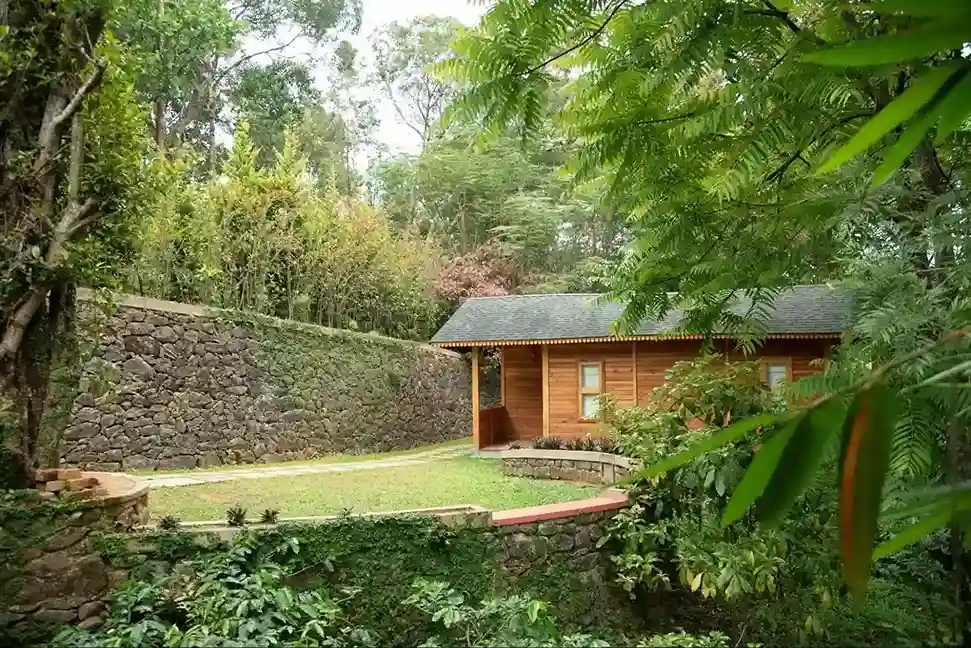
Building low-impact structures that use natural cooling, local stone, wood, and thatch instead of energy-heavy air conditioning.
Sourcing food from on-site farms, kitchen gardens, or nearby growers to cut transport emissions and support locals.
Designing rooms and common spaces around scenic natural views rather than manufactured spectacle.
Offering curated nature-based experiences such as guided walks, wildlife safaris, and plantation tours in place of generic resort activities.
Training local staff into skilled hospitality roles instead of relying purely on outside labour.
This is exactly the model that plantation and hill resorts across India have followed for years, long before the term eco-luxury became fashionable. Estates that were originally working tea, coffee, or cardamom plantations already had the land stewardship, biodiversity, and community ties built in. Turning them into resorts simply meant layering hospitality on top of a system that was sustainable by design.
What to Look for When Choosing an Eco-Luxury Resort
With so many properties now using sustainability as a marketing word, it helps to know what genuinely separates an eco-luxury resort from one that simply looks green in its photographs.
Check whether the property discloses its energy, water, and waste practices clearly, not vaguely.
Look for working farms, plantations, or forests on site rather than manicured lawns alone.
Ask how much of the staff and produce is sourced from the local community around the resort.
Favour resorts with a real conservation story, such as protected forest cover, native species, or heritage estates.
Choose stays that offer immersive nature experiences like guided walks, safaris, and farm tours over passive poolside luxury alone.
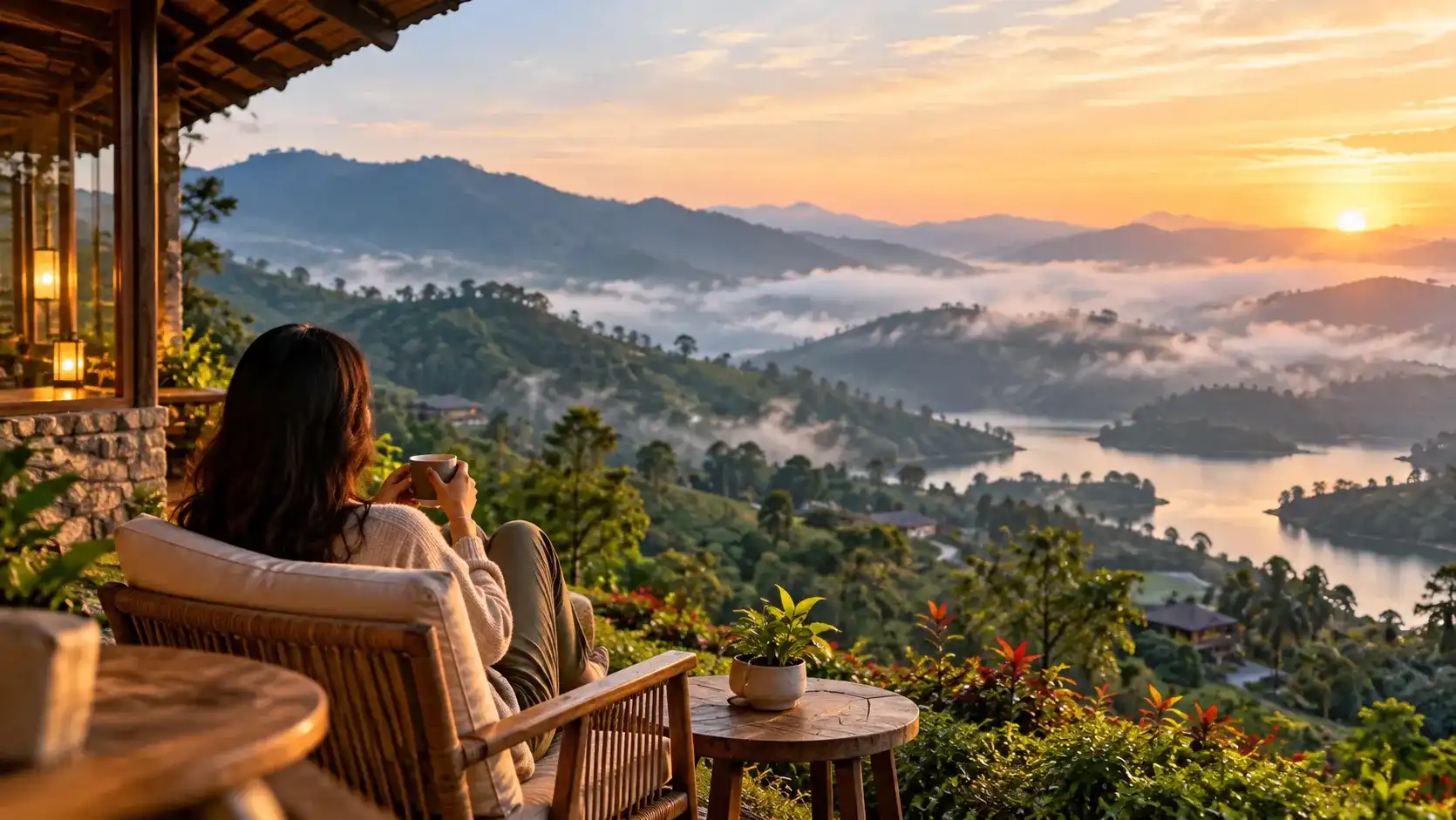
A resort that ticks these boxes tends to deliver a very different feeling from a conventional luxury hotel. Mornings start with birdsong instead of traffic, meals taste of the region instead of an imported menu, and the biggest luxury of all becomes silence, clean air, and space.
Eco-Luxury Travel in India: Why the Western Ghats Lead the Way
India's hill regions, particularly the Western Ghats, are becoming a global reference point for eco-luxury travel done right. The Western Ghats are one of the world's biodiversity hotspots, home to centuries-old tea, coffee, and cardamom estates that were built around careful land management long before sustainability became a buzzword.
Kerala's high-altitude plantation belt around Peermade and Kuttikkanam is a strong example of this. Kuttikkanam resorts here sit on land that has been cultivated responsibly for decades, which means guests get genuine plantation walks, working tea factories, native forest trails, and hidden waterfalls, alongside comfortable rooms, curated dining, and attentive service. It is eco-luxury in its most natural form: nothing manufactured, everything inherited and cared for.
Experience Eco-Luxury Travel at Misty Mountain Experience
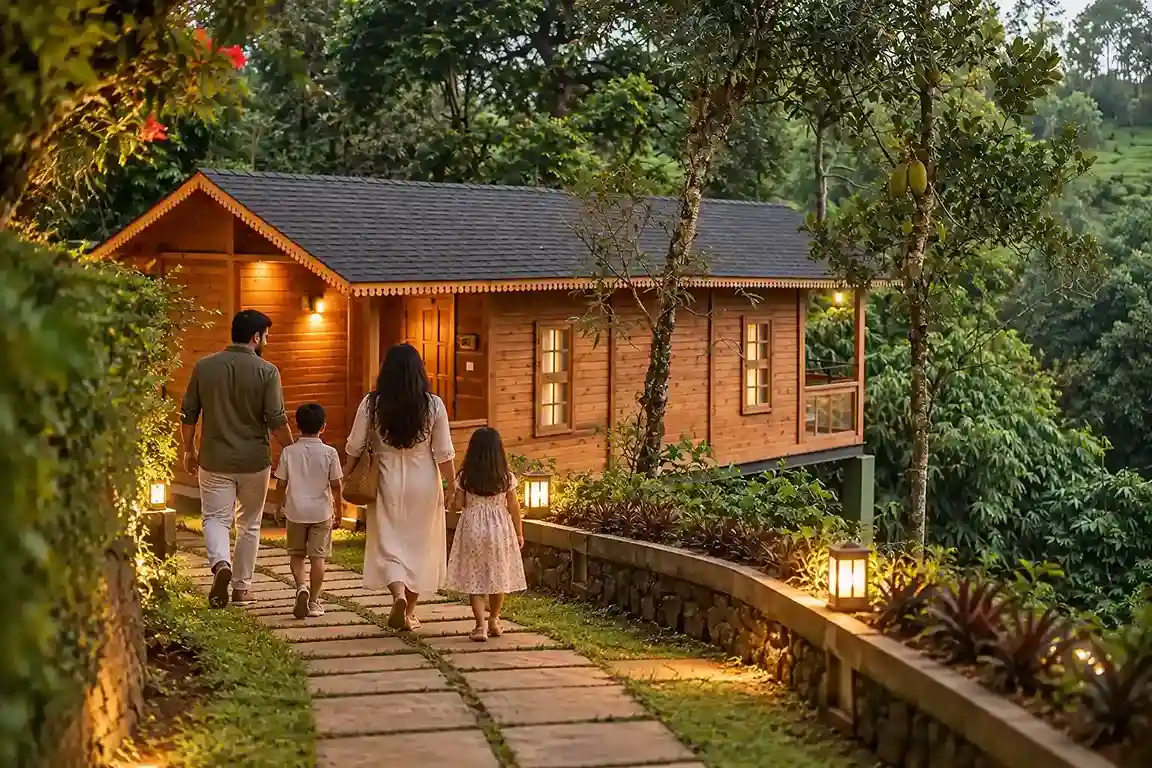
Eco-luxury travel is not about choosing between comfort and conscience anymore. Set across a 600-acre working estate, Misty Mountain Experience is a working example of what this blog describes. It brings together decades-old tea, coffee, and cardamom plantations, native forest trails, and hidden waterfalls with comfortable cottages, warm hospitality, and curated experiences.
Guests can walk through centuries-old plantation trails, join a guided estate and tea factory tour, or head out on a jeep safari through the Western Ghats to spot native flora and fauna, all without leaving behind the comfort of a well-appointed stay.
If you are ready to experience what real eco-luxury travel feels like, plan your stay at Misty Mountain Experience and trade marble lobbies for misty mountain views, birdsong, and air that actually feels different to breathe.