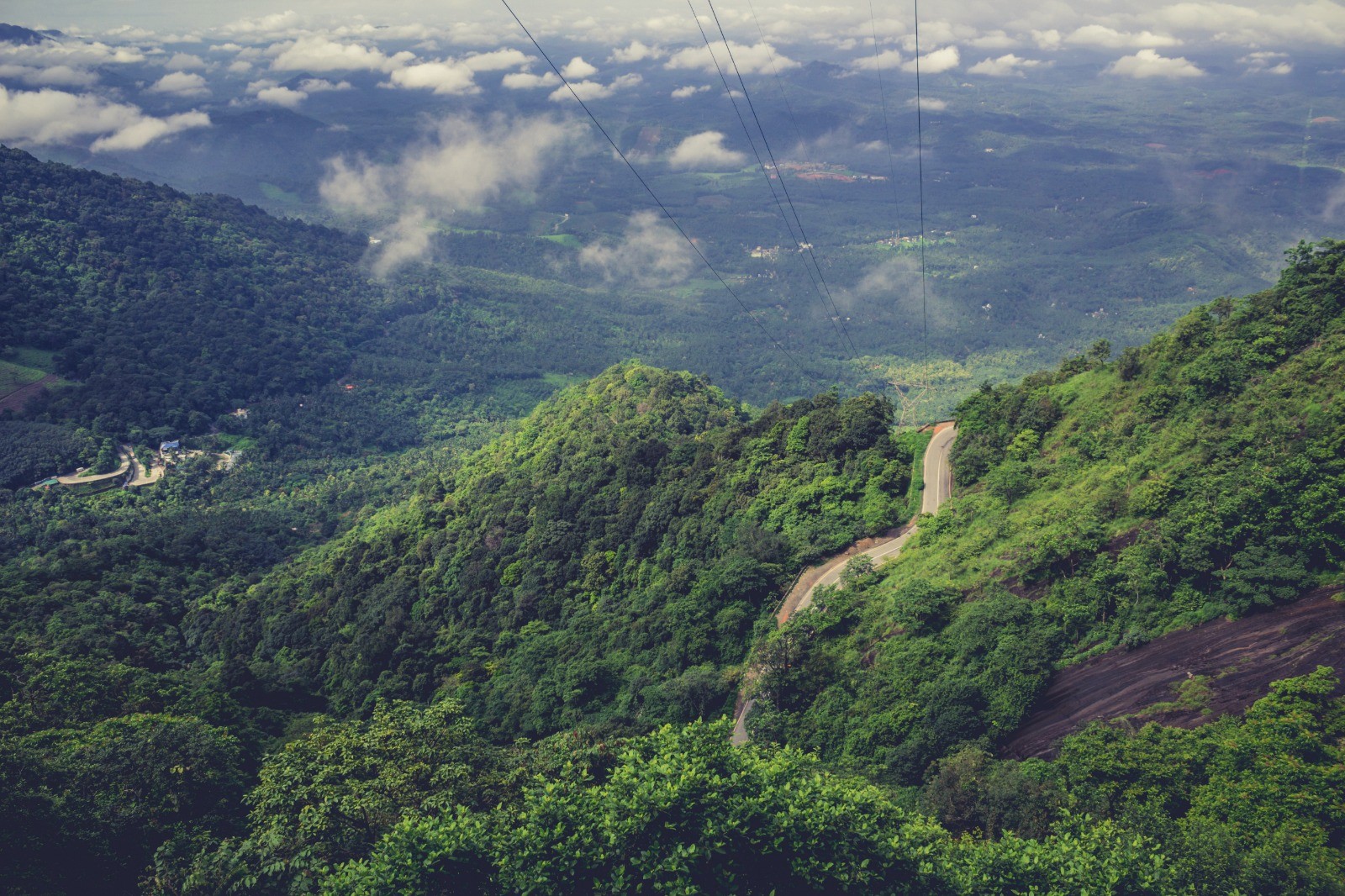
Kerala’s hill stations stretch like a cool, green spine along the Western Ghats, from Munnar and Wayanad to Vagamon, Ponmudi and the Peermade - Kuttikkanam belt, offering tea gardens, misty meadows, wildlife, and plantation heritage in one compact state.
Why choose Kerala for hill holidays
Kerala’s hill stations sit between roughly 900 - 2,600 metres, giving a cooler, fresher climate than the coast while staying within easy driving distance of airports like Kochi, Calicut and Thiruvananthapuram. Unlike many Himalayan stations, Kerala’s hills are strongly plantation-driven, so travellers get a blend of tea, coffee and spice estates, wildlife sanctuaries, waterfalls, heritage bungalows and soft-adventure treks in short radiuses.
The main hill belts are Idukki (Munnar, Thekkady, Vagamon, Peermade - Kuttikkanam), north Kerala (Wayanad, Nilambur, Ranipuram), and south Kerala (Ponmudi and the Agasthyakoodam range). This geography makes it easy to build 3 - 7 day itineraries that combine one hill hub with backwaters like Alleppey or beaches like Kovalam, Varkala or Bekal.
Best time to visit Kerala hill stations
For classic sightseeing and viewpoints, the best time to visit Kerala’s hill stations is October to March, when days are generally clear, temperatures sit in the 18 - 26°C band, and roads are more reliable. This is peak season for Munnar, Wayanad, Vagamon and Thekkady, so early accommodation and cab bookings are wise, especially near Christmas - New Year and long weekends.
June to September is the southwest monsoon, when hills explode in deep green, waterfalls peak, and mist hangs all day on tea slopes and meadows. It is beautiful but wet with landslides, road closures and leech-filled trails can affect trekking and driving, so this season suits slow travellers, photographers and Ayurveda guests more than fast-paced road trips. April - May are warmer, but the hills still feel significantly cooler than coastal Kerala, making them popular for school holiday escapes.
Top hill stations: character and highlights
Peermade - Kuttikkanam: classic plantation hill-station charm
Peermade and Kuttikkanam form one of Kerala’s most atmospheric yet under-publicised hill belts, sitting amid tea, coffee and cardamom estates at 900 - 1,100 metres. Historically, Peermade served as a summer retreat for Travancore royals and a cool highland centre for British planters, which is why the region still preserves old bungalows, churches and estate roads.
Kuttikkanam itself sits around 3,500 feet (about 1,100 metres) above sea level, surrounded by lush tea plantations and misty slopes that give it a perpetual highland feel. Typical experiences include sunrise and sunset viewpoints, easy plantation walks, waterfalls in post-monsoon months, as well as devotional and heritage sites, many of which you already explore in your specialised blogs.
Modern Peermade’s plantation story has been shaped by families like the Kallivayalil estate, which diversified from tea into coffee and pepper while actively afforesting and protecting highland ecosystems, this heritage underpins present-day sustainable tourism on their lands. Visitors can explore working tea fields, forest fringes and old planter tracks that still echo the colonial hill-station vibe but with much more space and calm than Munnar’s core town.
Munnar: tea country and high peaks
Munnar is Kerala’s most famous hill station, a former British tea headquarters at around 1,600 metres, wrapped in manicured plantations and high ridges.It is known for Eravikulam National Park (home to the Nilgiri tahr), viewpoints like Top Station, tea museum visits, and access to Anamudi, the highest peak in South India.
Travellers usually stay 2–3 nights around Old Munnar or Chithirapuram and plan sunrise or sunset runs to viewpoints, lakes like Kundala and Mattupetty, and tea factory tours. The town lies roughly 110–130 km from Kochi by road, taking about 4–5 hours via winding ghats, which is central to trip-planning.
Wayanad: forests, waterfalls and caves
Wayanad in north Kerala is a larger, more forested plateau with a cooler, wilder feel than many other hill stations. Highlights include Edakkal Caves with prehistoric petroglyphs, waterfalls like Soochipara and Meenmutty (Wayanad), wildlife zones in Wayanad Wildlife Sanctuary, and viewpoints such as Lakkidi and Neelimala.
It is typically accessed from Kozhikode (Calicut), Mysuru or Bengaluru, making it ideal for South Indian road trips. Plantation homestays and eco-resorts in coffee and pepper estates are a signature here, and you can frame Wayanad as a “forest hill station” compared to tea-heavy Munnar and Peermade.
Thekkady (Kumily): wildlife and spices
Thekkady, centred on Kumily town, is the gateway to Periyar Tiger Reserve, where boat safaris on the reservoir reveal elephants, bison and rich birdlife against a misty hill backdrop. Surrounding slopes host spice plantations of cardamom, pepper and cloves, with guided walks and processing tours.
Thekkady is usually linked with Munnar or Kuttikkanam in hill-country itineraries, sitting roughly 140–160 km from Kochi by road and about 4 hours from Madurai across the Tamil Nadu border. It is an excellent anchor for travellers who want both a hill climate and serious wildlife experiences in the same base.
Vagamon: meadows, pine forests and paragliding
Vagamon, near Peermade in Idukki, is famed for its rolling meadows (often called Motta Kunnu or Barren Hills), eerie pine forests, and cool weather year-round. The meadows are a sweeping set of grassy domes ideal for sunrise and sunset walks, while the Vagamon Pine Forest occupies around 200 acres of tall pines planted in the British era, now a popular picnic and photography spot.
Vagamon has also developed as an adventure hub, with paragliding festivals, off-road jeep trails and rock viewpoints like Thangal Para and Pine Hill. It lies near Peermade and Kuttikkanam, roughly 100–110 km from Kochi and around 90–100 km from Kottayam, allowing it to pair smoothly with both Munnar and central Kerala backwaters.
Ponmudi: closest hills to Thiruvananthapuram
Ponmudi is the natural hill escape for travellers based in or flying into Thiruvananthapuram. Situated around 915–975 metres, it features misty grasslands, tea and pepper plantations, and viewpoints across the Agasthyakoodam range, accessed via a scenic ghat road with about 22 hairpin bends.
On the way up, visitors often stop at Kallar and Meenmutty waterfalls (Thiruvananthapuram side), which add a rainforest flavour to the trip. Because it is only about 55–61 km from the capital, Ponmudi works beautifully as a day trip or overnight extension from Kovalam and Varkala.
Offbeat hills: Nelliyampathy, Ranipuram and others
Nelliyampathy in Palakkad district is a quieter tea-and-orange growing hill station accessed via a climb of multiple hairpin bends from the Palakkad plains, offering valley views, trekking points and estate stays. Ranipuram in Kasaragod is even more offbeat: a grassland-topped hill known for treks, shola patches, and wildlife, often compared to Coorg but with far fewer tourists.
These lesser-known hills suit travellers who have already “done” Munnar or Wayanad and are seeking slow, uncrowded stays with basic to mid-range accommodation and less commercialisation.
Building your Kerala hill-station itinerary
For first-time visitors flying into Kochi, a classic 5–7 day circuit is Kochi–Munnar–Thekkady–Peermade–backwaters, giving tea hills, wildlife, quieter plantations and houseboats in one sweep. North-entrance travellers might use
Calicut–Wayanad–Nelliyampathy or Wayanad–Athirapally–Munnar, while those landing in Thiruvananthapuram can pair Ponmudi and Peermade–Kuttikkanam with Kovalam or Varkala.
A smart way to structure a hill-country holiday is to minimise hotel-hopping: pick one base in each broad belt, such as Munnar for the high-range, Thekkady or Kuttikkanam/Peermade for central plantations, and Wayanad or Ponmudi for forests or southern hills. From each base, travellers can use local taxis or jeeps to reach waterfalls, viewpoints and heritage spots on flexible half-day or full-day loops instead of constantly packing and unpacking.
Transport, stays, budgets and safety tips
Reaching Kerala’s hill stations usually involves a combination of flight or train to a coastal or plains city, then a 3–6 hour ghat-road drive by bus, taxi or self-drive car. Public buses connect major towns like Munnar, Kumily, Kattappana, Peermade, Wayanad hubs and Ponmudi’s base, but the last stretches to high viewpoints, estates and hidden waterfalls are easiest with private vehicles or organised tours.
Accommodation options range from budget lodges and homestays at under-₹1500 per night in smaller hill towns to mid-range resorts and heritage bungalows, and premium tea or plantation retreats that can command several thousand rupees a night in peak season. October–March and long weekends see higher rates and faster sell-outs, while monsoon months often bring attractive discounts for travellers comfortable with rain.
Always carry a light jacket or shawl, even in summer, plus rain gear and sturdy footwear for wet, sloping paths.
Check local weather and road advisories in monsoon for landslide alerts, especially around Munnar, Idukki and Wayanad.
Respect plantation and forest boundaries, avoid plastic, and use authorised guides in wildlife zones and serious treks such as Agasthyakoodam or deep forest routes in Wayanad.
Why base yourself at Misty Mountain Experience in Peermade–Kuttikkanam
Amid all these hill belts, Peermade–Kuttikkanam stands out as a calm, central base with authentic plantation character and good road links to Thekkady, Vagamon and even Munnar. On these high, cool slopes sits Misty Mountain Experience, a plantation resort developed on long-held Kallivayalil family estates that have shaped Peermade’s tea heritage for generations.
Staying here, guests wake up to mist over 600 acres of tea, coffee, and pepper, with walking trails, estate drives and curated experiences that bring local history, ecology and agriculture alive beyond what typical hill hotels offer. Because Peermade and Kuttikkanam are within comfortable driving distance of key viewpoints, waterfalls, colonial-era churches, palaces and nearby hubs like Thekkady and Vagamon, you can unpack once at Misty Mountain Experience and explore the wider highlands via relaxed day trips instead of changing rooms every night.
For travellers planning a complete Kerala hill-station holiday, balancing iconic names like Munnar or Wayanad with quieter, more immersive plantation life, booking a stay at Misty Mountain Experience is a smart way to anchor the itinerary. It offers the cool climate, mountain views and estate ambience that define Kerala’s hills, while giving you the comfort, local connections and on-ground support needed to explore Kuttikkanam and the surrounding Western Ghats in depth; consider reserving your dates directly through Misty Mountain Experience to build your hill-circuit around an authentic, heritage-rich base.
People Also Search:
Best Resort in Kuttikkanam, Kuttikkanam Resorts, Peermade Resorts, Misty Mountain Resort

Kerala’s hill stations stretch like a cool, green spine along the Western Ghats, from Munnar and Wayanad to Vagamon, Ponmudi and the Peermade - Kuttikkanam belt, offering tea gardens, misty meadows, wildlife, and plantation heritage in one compact state.
Why choose Kerala for hill holidays
Kerala’s hill stations sit between roughly 900 - 2,600 metres, giving a cooler, fresher climate than the coast while staying within easy driving distance of airports like Kochi, Calicut and Thiruvananthapuram. Unlike many Himalayan stations, Kerala’s hills are strongly plantation-driven, so travellers get a blend of tea, coffee and spice estates, wildlife sanctuaries, waterfalls, heritage bungalows and soft-adventure treks in short radiuses.
The main hill belts are Idukki (Munnar, Thekkady, Vagamon, Peermade - Kuttikkanam), north Kerala (Wayanad, Nilambur, Ranipuram), and south Kerala (Ponmudi and the Agasthyakoodam range). This geography makes it easy to build 3 - 7 day itineraries that combine one hill hub with backwaters like Alleppey or beaches like Kovalam, Varkala or Bekal.
Best time to visit Kerala hill stations
For classic sightseeing and viewpoints, the best time to visit Kerala’s hill stations is October to March, when days are generally clear, temperatures sit in the 18 - 26°C band, and roads are more reliable. This is peak season for Munnar, Wayanad, Vagamon and Thekkady, so early accommodation and cab bookings are wise, especially near Christmas - New Year and long weekends.
June to September is the southwest monsoon, when hills explode in deep green, waterfalls peak, and mist hangs all day on tea slopes and meadows. It is beautiful but wet with landslides, road closures and leech-filled trails can affect trekking and driving, so this season suits slow travellers, photographers and Ayurveda guests more than fast-paced road trips. April - May are warmer, but the hills still feel significantly cooler than coastal Kerala, making them popular for school holiday escapes.
Top hill stations: character and highlights
Peermade - Kuttikkanam: classic plantation hill-station charm
Peermade and Kuttikkanam form one of Kerala’s most atmospheric yet under-publicised hill belts, sitting amid tea, coffee and cardamom estates at 900 - 1,100 metres. Historically, Peermade served as a summer retreat for Travancore royals and a cool highland centre for British planters, which is why the region still preserves old bungalows, churches and estate roads.
Kuttikkanam itself sits around 3,500 feet (about 1,100 metres) above sea level, surrounded by lush tea plantations and misty slopes that give it a perpetual highland feel. Typical experiences include sunrise and sunset viewpoints, easy plantation walks, waterfalls in post-monsoon months, as well as devotional and heritage sites, many of which you already explore in your specialised blogs.
Modern Peermade’s plantation story has been shaped by families like the Kallivayalil estate, which diversified from tea into coffee and pepper while actively afforesting and protecting highland ecosystems, this heritage underpins present-day sustainable tourism on their lands. Visitors can explore working tea fields, forest fringes and old planter tracks that still echo the colonial hill-station vibe but with much more space and calm than Munnar’s core town.
Munnar: tea country and high peaks
Munnar is Kerala’s most famous hill station, a former British tea headquarters at around 1,600 metres, wrapped in manicured plantations and high ridges.It is known for Eravikulam National Park (home to the Nilgiri tahr), viewpoints like Top Station, tea museum visits, and access to Anamudi, the highest peak in South India.
Travellers usually stay 2–3 nights around Old Munnar or Chithirapuram and plan sunrise or sunset runs to viewpoints, lakes like Kundala and Mattupetty, and tea factory tours. The town lies roughly 110–130 km from Kochi by road, taking about 4–5 hours via winding ghats, which is central to trip-planning.
Wayanad: forests, waterfalls and caves
Wayanad in north Kerala is a larger, more forested plateau with a cooler, wilder feel than many other hill stations. Highlights include Edakkal Caves with prehistoric petroglyphs, waterfalls like Soochipara and Meenmutty (Wayanad), wildlife zones in Wayanad Wildlife Sanctuary, and viewpoints such as Lakkidi and Neelimala.
It is typically accessed from Kozhikode (Calicut), Mysuru or Bengaluru, making it ideal for South Indian road trips. Plantation homestays and eco-resorts in coffee and pepper estates are a signature here, and you can frame Wayanad as a “forest hill station” compared to tea-heavy Munnar and Peermade.
Thekkady (Kumily): wildlife and spices
Thekkady, centred on Kumily town, is the gateway to Periyar Tiger Reserve, where boat safaris on the reservoir reveal elephants, bison and rich birdlife against a misty hill backdrop. Surrounding slopes host spice plantations of cardamom, pepper and cloves, with guided walks and processing tours.
Thekkady is usually linked with Munnar or Kuttikkanam in hill-country itineraries, sitting roughly 140–160 km from Kochi by road and about 4 hours from Madurai across the Tamil Nadu border. It is an excellent anchor for travellers who want both a hill climate and serious wildlife experiences in the same base.
Vagamon: meadows, pine forests and paragliding
Vagamon, near Peermade in Idukki, is famed for its rolling meadows (often called Motta Kunnu or Barren Hills), eerie pine forests, and cool weather year-round. The meadows are a sweeping set of grassy domes ideal for sunrise and sunset walks, while the Vagamon Pine Forest occupies around 200 acres of tall pines planted in the British era, now a popular picnic and photography spot.
Vagamon has also developed as an adventure hub, with paragliding festivals, off-road jeep trails and rock viewpoints like Thangal Para and Pine Hill. It lies near Peermade and Kuttikkanam, roughly 100–110 km from Kochi and around 90–100 km from Kottayam, allowing it to pair smoothly with both Munnar and central Kerala backwaters.
Ponmudi: closest hills to Thiruvananthapuram
Ponmudi is the natural hill escape for travellers based in or flying into Thiruvananthapuram. Situated around 915–975 metres, it features misty grasslands, tea and pepper plantations, and viewpoints across the Agasthyakoodam range, accessed via a scenic ghat road with about 22 hairpin bends.
On the way up, visitors often stop at Kallar and Meenmutty waterfalls (Thiruvananthapuram side), which add a rainforest flavour to the trip. Because it is only about 55–61 km from the capital, Ponmudi works beautifully as a day trip or overnight extension from Kovalam and Varkala.
Offbeat hills: Nelliyampathy, Ranipuram and others
Nelliyampathy in Palakkad district is a quieter tea-and-orange growing hill station accessed via a climb of multiple hairpin bends from the Palakkad plains, offering valley views, trekking points and estate stays. Ranipuram in Kasaragod is even more offbeat: a grassland-topped hill known for treks, shola patches, and wildlife, often compared to Coorg but with far fewer tourists.
These lesser-known hills suit travellers who have already “done” Munnar or Wayanad and are seeking slow, uncrowded stays with basic to mid-range accommodation and less commercialisation.
Building your Kerala hill-station itinerary
For first-time visitors flying into Kochi, a classic 5–7 day circuit is Kochi–Munnar–Thekkady–Peermade–backwaters, giving tea hills, wildlife, quieter plantations and houseboats in one sweep. North-entrance travellers might use
Calicut–Wayanad–Nelliyampathy or Wayanad–Athirapally–Munnar, while those landing in Thiruvananthapuram can pair Ponmudi and Peermade–Kuttikkanam with Kovalam or Varkala.
A smart way to structure a hill-country holiday is to minimise hotel-hopping: pick one base in each broad belt, such as Munnar for the high-range, Thekkady or Kuttikkanam/Peermade for central plantations, and Wayanad or Ponmudi for forests or southern hills. From each base, travellers can use local taxis or jeeps to reach waterfalls, viewpoints and heritage spots on flexible half-day or full-day loops instead of constantly packing and unpacking.
Transport, stays, budgets and safety tips
Reaching Kerala’s hill stations usually involves a combination of flight or train to a coastal or plains city, then a 3–6 hour ghat-road drive by bus, taxi or self-drive car. Public buses connect major towns like Munnar, Kumily, Kattappana, Peermade, Wayanad hubs and Ponmudi’s base, but the last stretches to high viewpoints, estates and hidden waterfalls are easiest with private vehicles or organised tours.
Accommodation options range from budget lodges and homestays at under-₹1500 per night in smaller hill towns to mid-range resorts and heritage bungalows, and premium tea or plantation retreats that can command several thousand rupees a night in peak season. October–March and long weekends see higher rates and faster sell-outs, while monsoon months often bring attractive discounts for travellers comfortable with rain.
Always carry a light jacket or shawl, even in summer, plus rain gear and sturdy footwear for wet, sloping paths.
Check local weather and road advisories in monsoon for landslide alerts, especially around Munnar, Idukki and Wayanad.
Respect plantation and forest boundaries, avoid plastic, and use authorised guides in wildlife zones and serious treks such as Agasthyakoodam or deep forest routes in Wayanad.
Why base yourself at Misty Mountain Experience in Peermade–Kuttikkanam
Amid all these hill belts, Peermade–Kuttikkanam stands out as a calm, central base with authentic plantation character and good road links to Thekkady, Vagamon and even Munnar. On these high, cool slopes sits Misty Mountain Experience, a plantation resort developed on long-held Kallivayalil family estates that have shaped Peermade’s tea heritage for generations.
Staying here, guests wake up to mist over 600 acres of tea, coffee, and pepper, with walking trails, estate drives and curated experiences that bring local history, ecology and agriculture alive beyond what typical hill hotels offer. Because Peermade and Kuttikkanam are within comfortable driving distance of key viewpoints, waterfalls, colonial-era churches, palaces and nearby hubs like Thekkady and Vagamon, you can unpack once at Misty Mountain Experience and explore the wider highlands via relaxed day trips instead of changing rooms every night.
For travellers planning a complete Kerala hill-station holiday, balancing iconic names like Munnar or Wayanad with quieter, more immersive plantation life, booking a stay at Misty Mountain Experience is a smart way to anchor the itinerary. It offers the cool climate, mountain views and estate ambience that define Kerala’s hills, while giving you the comfort, local connections and on-ground support needed to explore Kuttikkanam and the surrounding Western Ghats in depth; consider reserving your dates directly through Misty Mountain Experience to build your hill-circuit around an authentic, heritage-rich base.
People Also Search:
Best Resort in Kuttikkanam, Kuttikkanam Resorts, Peermade Resorts, Misty Mountain Resort
Author
Team Misty Trails
Date
6 January 2026
Share
Recent Posts
Kuttikkanam vs Munnar vs Thekkady: Ultimate Hill Station Comparison
Best Hill Stations in Kerala (Ranked List)